Trump administration redirects $42.45bn US broadband fund to Musk and Bezos
Commerce Secretary Howard Lutnick’s restructuring of the Broadband Equity, Access, and Deployment initiative has shifted hundreds of millions in subsidies to SpaceX and Amazon Leo, leaving fewer than a few hundred homes connected as of June 2026.
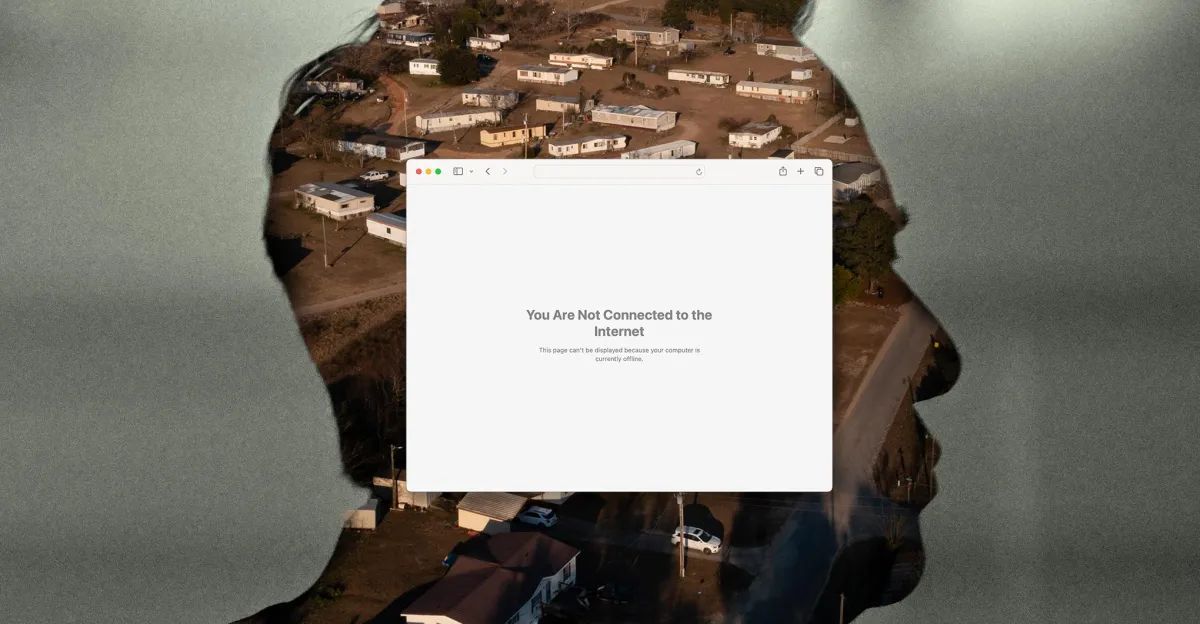
The Broadband Equity, Access, and Deployment (BEAD) program, a $42.45 billion initiative originally designed to expand high-quality fibre networks in underserved US communities, has been significantly restructured under the second Trump administration. Commerce Secretary Howard Lutnick issued a BEAD Restructuring Policy Notice that eliminated affordability and equity requirements, lowered quality control standards, and mandated a "technology neutral" approach. This shift effectively diverted approximately $1.05 billion in subsidies from terrestrial fibre projects to satellite internet providers, specifically Elon Musk’s SpaceX and Jeff Bezos’ Amazon Leo, despite their existing infrastructure coverage.
The National Telecommunications and Information Administration (NTIA), under administrator Arielle Roth, enforced these changes, forcing states to retool previously submitted plans. In Louisiana, the revised plan reduced the proportion of funding directed to future-proof fibre from over 90 percent to 78 percent. In Lake Providence, East Carroll Parish, Louisiana, $6.2 million originally allocated to ISP Conexon for fibre construction was reallocated to Starlink, despite satellite service already being available in the area.
Three BEAD grant winners in Nebraska abandoned their plans due to the administrative chaos and changed requirements. The rollout has stalled, with fewer than a few hundred homes connected as of June 2026. States face bureaucratic hurdles, with Louisiana reducing its fibre funding proportion from over 90 percent to 78 percent, and Nebraska seeing three grant winners abandon their plans.
The administration has also threatened to withhold $21 billion in "nondeployment" funds from states that do not comply with new directives or attempt to regulate AI. Final guidance on the nondeployment funds had not been issued by the time of reporting, despite missed internal deadlines. The policy change redirected hundreds of millions of dollars in subsidies to Elon Musk’s SpaceX and Jeff Bezos’ Amazon Leo, despite their existing infrastructure.
Consequently, the rollout has stalled, with fewer than a few hundred homes connected as of June 2026, while states face significant delays and bureaucratic hurdles. The Trump administration threatened to claw back $21 billion in nondeployment funds if states held telecom companies accountable for high prices or attempted to regulate AI.
