Trump administration fractured over AI policy as China competition intensifies
With Susie Wiles vetting proposals and competing factions pushing divergent approaches, the White House navigates a complex landscape of AI governance ahead of high-stakes diplomatic summits.
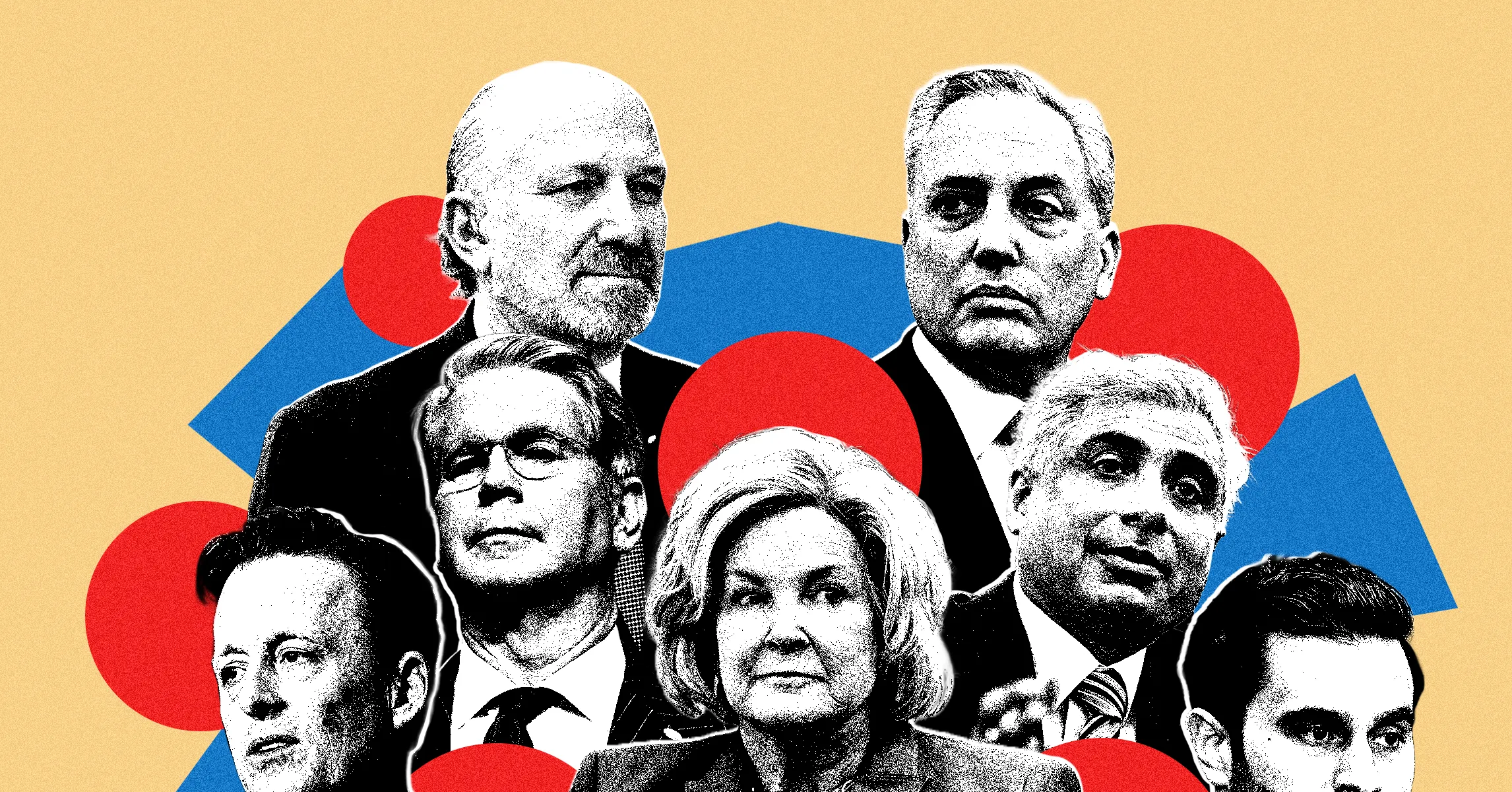
The Trump administration is currently navigating significant internal disagreements regarding artificial intelligence policy, particularly concerning competition with China and the regulation of open-weight models. Policy decisions are being driven by a small group of influential officials with differing views, rather than through coordinated interagency processes. Key figures include Howard Lutnick, who advocates for incentives for US labs to create open-weight models; Arvind Raman, the acting chief at the Center for AI Standards and Innovation; Sean Cairncross, focusing on curbing "distillation" by Chinese labs; David Sacks, who urges a hands-off approach; and Scott Bessent, who has adopted an aggressive stance against Chinese AI. Susie Wiles, Trump’s top political aide, is vetting policy proposals from various departments before they reach the President, with her decision effectively being final.
Howard Lutnick, who oversees export controls through the Bureau of Industry and Security, is advocating for incentives for US labs to create their own open-weight models to counter China. He recently downplayed the capabilities of Moonshot AI’s Kimi K3 model, stating it performed worse than leading US frontier models in benchmark tests. Lutnick appears to be straddling a middle ground on regulation, having imposed export controls on Anthropic while remaining more freewheeling than other White House officials.
Arvind Raman has become the acting chief at the Center for AI Standards and Innovation (CAISI) within the Commerce Department, replacing Chris Fall who resigned after weeks of negotiations with Anthropic over safeguards for its Fable 5 model. CAISI staff were in meetings with Anthropic’s technical teams for weeks as both sides hammered out new safeguards that were deemed strong enough for Fable 5 to be brought back online.
Sean Cairncross, a former political campaign lawyer with no tech experience, holds an outsized role in developing policy to counter national security risks from Chinese AI, specifically focusing on curbing "distillation" (where Chinese labs train models on US data). White House spokesperson Elizabeth Huston stated that the administration’s deliberations are centered on bolstering US AI and widening the gap between America and the rest of the world.
David Sacks, former AI czar, continues to influence policy from outside the administration, advocating for a hands-off approach and urging an end to the "Kimi Panic," asserting that American frontier models remain ahead. He successfully intervened to water down regulatory provisions in the June 2 executive order and maintains a direct line to the president despite his departure from the role.
Scott Bessent, Treasury Secretary, has adopted an aggressive stance against Chinese AI, repudiating distillation as "IP theft" and threatening sanctions or Entity List inclusion for Chinese labs. He is urging Western allies to develop their own open-weight models to avoid losing the AI race to China. Luke Pettit, Bessent’s deputy, is executing this roadmap alongside Sam Corcos, with the Treasury focused on risks of AI causing economic instability, such as inadvertently closing trading positions.
Susie Wiles ultimately vets policy proposals before they reach President Trump. Treasury Secretary Scott Bessent has been taking his department’s positions directly to Wiles, as have Lutnick and Cairncross. Like on other administration issues, Wiles’ decision invariably ends up being final, making her the central gatekeeper for AI policy in the current administration.