Trump administration dismantles DOJ Voting Section ahead of midterms
The Department of Justice has replaced more than two dozen veteran lawyers with loyalists, effectively decimating the division tasked with upholding fair elections.
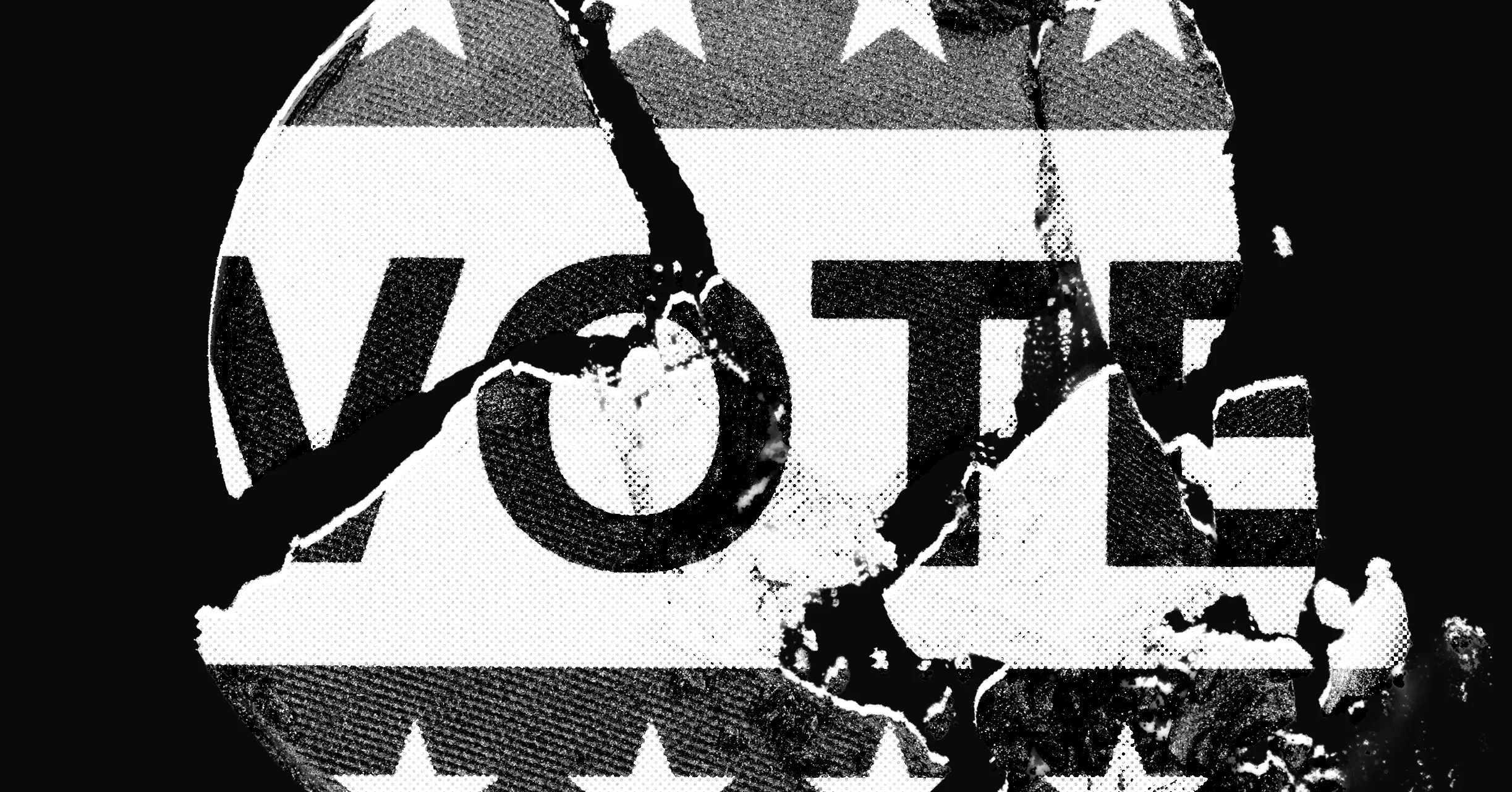
The Trump administration has removed more than two dozen experienced lawyers from the Department of Justice's Voting Section, replacing them with a cadre of loyalists. This division, established following the landmark Voting Rights Act of 1965, has served as the primary mechanism for enforcing fair elections and preventing discriminatory voting practices for over six decades. The mass departure of staff with decades of institutional knowledge has raised significant concerns regarding the enforcement of these laws ahead of the November midterms.
Experts describe the Voting Section as the crown jewel of the Civil Rights Division, noting its historical role in representing the United States in court to protect vulnerable populations. The section has historically handled cases where no other entity was willing or capable of addressing discriminatory voting practices affecting local communities. Key legislation enforced by the division includes the National Voter Registration Act and the Help America Vote Act, ensuring equal voting rights across the country.
Former staff members report that the new hires are carrying out plans to subvert election integrity, including efforts to access unredacted voter rolls in various states. While legal challenges regarding access to unredacted voter rolls have so far been pushed back by courts, administration allies remain intent on advancing these policies. The loss of experienced lawyers who managed complex litigation in small towns and rural areas has left a void in the protection of minority voters.
David Becker, a former head of the Center for Election Innovation and Research who worked in the section from 1998 to 2005, described the role as one of the most sought-after legal jobs in the country. He and other former Voting Section lawyers express deep sadness and anger that the work done on behalf of the most vulnerable people in US society is no longer being carried out. The removal of these professionals effectively decimates the division's capacity to uphold the trust of the electorate.
The long-term impact of replacing experienced lawyers with loyalists on the ability to enforce voting rights laws remains to be seen, though experts express deep concern. The extent to which the administration's push to access unredacted voter rolls will succeed despite current court pushback is also unclear. With the November midterms approaching, the uncertainty surrounding the division's future capabilities looms large over the electoral landscape.
