Trump Administration Deploys $700 Million to Prop Up US Coal Sector
President Donald Trump’s latest initiative aims to halt the decline of coal-fired power generation, though market realities and regulatory risks suggest the move may result in stranded assets.
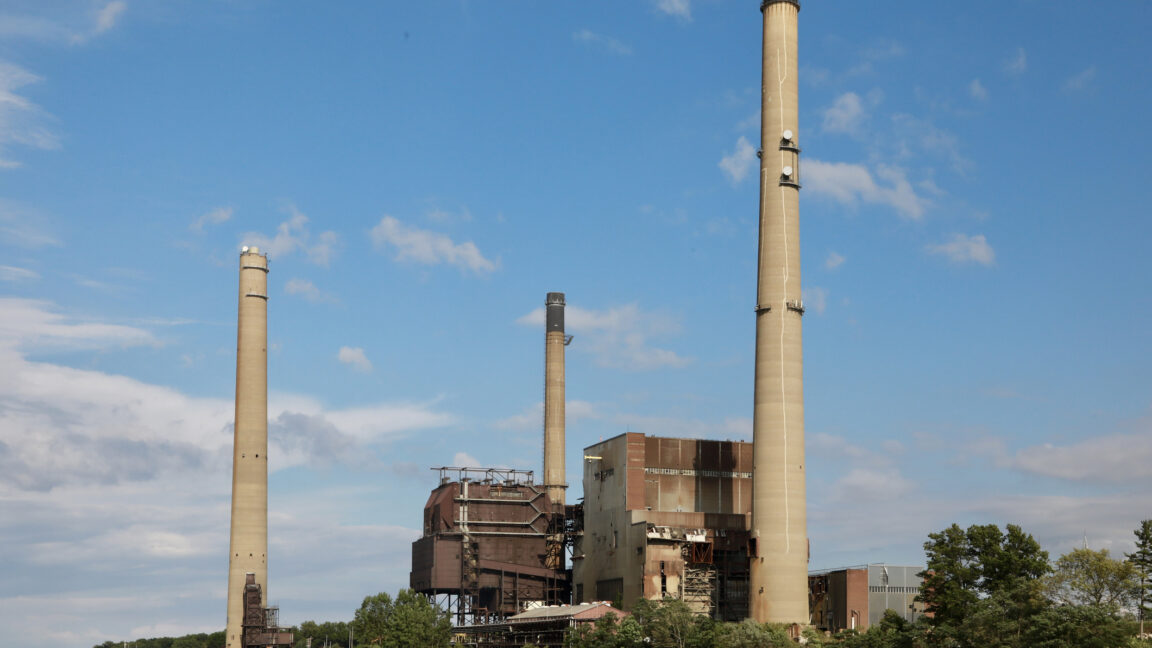
President Donald Trump announced a new initiative to support the US coal industry, aiming to keep existing plants operational and construct the first new facilities in over a decade. The plan involves spending $700 million under the Defense Production Act, with funds sourced partly from a congressional carbon capture development fund. The money will update 14 coal plants and finance new construction in Alaska and West Virginia, coupled with private investment.
The announcement was made during a press event that oscillated between energy issues and Trump’s interest in renovating monuments in Washington DC. Trump claimed the initiative would save $50 billion in electricity costs, though the source of this figure was not specified. He stated that coal is one of the most expensive means of generating electricity and that wind power is the "most expensive energy there is," contradicting current market trends where wind and solar are cheaper than coal.
Coal has gone from powering over half the electrical grid to producing only about 15 percent of the nation's electricity. No new coal plants have been completed in the US since 2013. Coal is currently the second-most expensive way of producing electricity, trailing only new nuclear plant construction. The Department of Energy funding would be coupled with private investments.
A New York Times report indicates that much of the money comes from a fund Congress created to foster carbon capture development. The $700 million funding is linked to an amendment to the Defense Production Act passed in 1980, which allows presidential intervention in industries deemed critical to national defence, including energy. Trump suggested that China, which produces roughly half the world's wind energy, only builds turbines to sell to the US.
There is a risk that these investments could result in stranded assets due to the rapid growth of renewable energy and potential reinstatement of EPA regulations. Coal produces the most greenhouse gas emissions per unit of energy and releases dangerous particulates and chemicals. The ash left behind by coal contains high levels of toxic metals. The price of energy from coal will likely rise as soon as the EPA returns to enforcing existing regulations.