Trump administration delays EPA refrigerant rules amid grocery cost claims
The administration’s decision to postpone Biden-era Environmental Protection Agency regulations on refrigerants is framed as a consumer benefit, though analysts note the effect on food prices is uncertain.
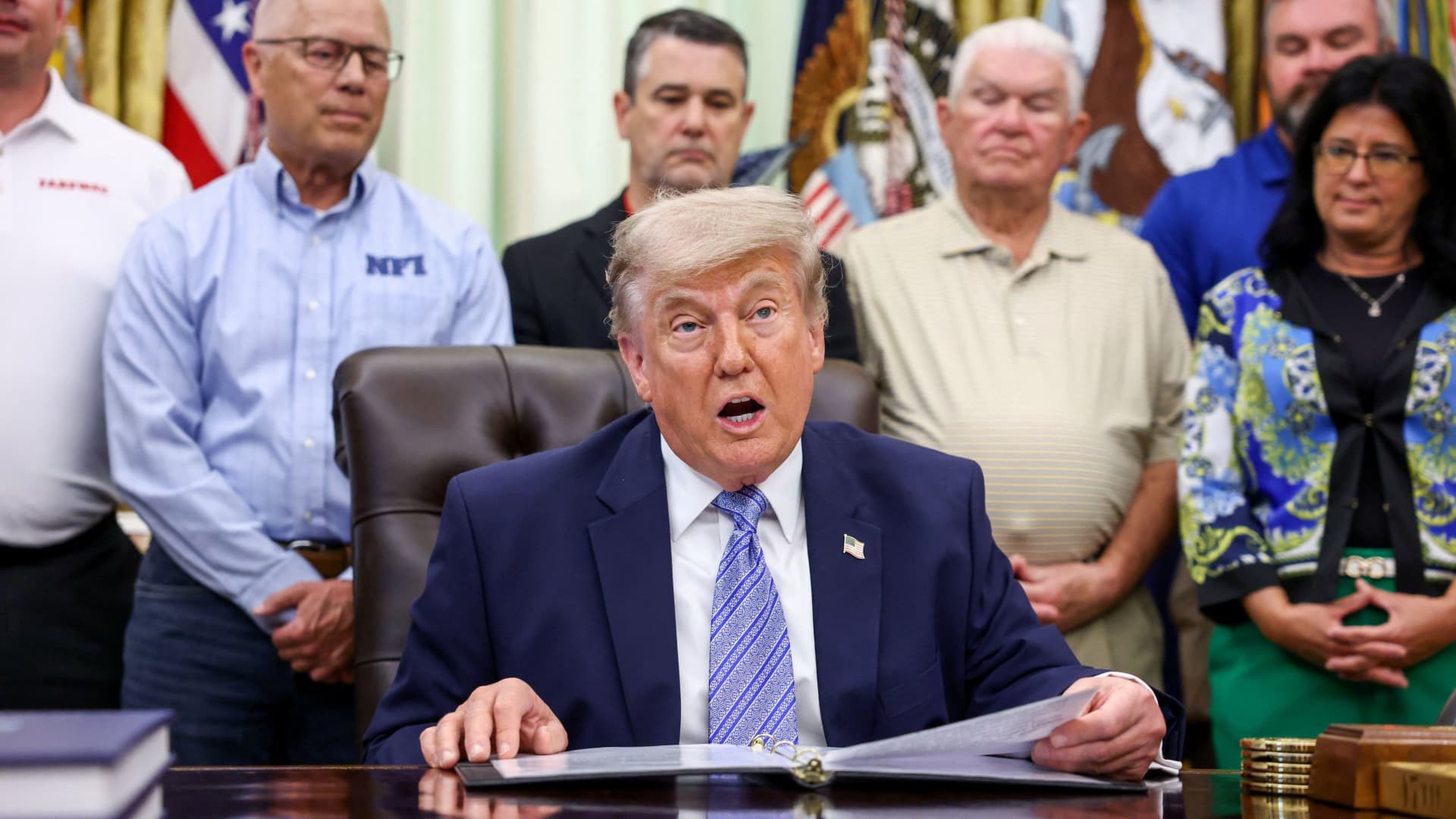
The Trump administration has moved to delay the implementation of Environmental Protection Agency regulations concerning refrigerants, a policy originally established under the previous Biden-era leadership. Officials have stated that the postponement is designed to reduce operational expenses for supermarkets, with the intention of passing those savings on to consumers in the form of lower grocery bills.
The decision marks a significant reversal of the regulatory framework introduced by the prior administration, which focused on stricter environmental controls for cooling agents used in commercial food storage. By pausing these rules, the current administration is prioritising what it describes as immediate economic relief for the retail grocery sector over the environmental objectives embedded in the original mandate.
However, the link between the regulatory delay and tangible reductions in food prices has not been substantiated. The source material explicitly notes that the actual impact on food prices remains unclear, suggesting that the promised savings may not materialise as directly as the administration claims. Supermarket operators may absorb the cost reductions rather than passing them through to shoppers, or other market forces may offset any potential benefits.
This policy adjustment occurs against a backdrop of broader geopolitical and economic activity, including a recent summit in Beijing between President Donald Trump and Chinese President Xi Jinping. The summit addressed complex issues including trade tensions, artificial intelligence development, and regional security concerns, highlighting the multifaceted nature of the current administration’s agenda.
Investors and industry observers are now watching to see how the delay in EPA rules affects the refrigeration supply chain and commercial real estate costs. While the administration frames the move as a direct benefit to household budgets, the lack of concrete data on price transmission means the outcome for consumers remains speculative.