Tribeca 2026 signals shift to bespoke AI workflows over generic models
At the 2026 festival, productions utilising tailored Veo and Imagen models contrasted sharply with entries relying on vanilla text-to-video generators, suggesting a new standard for commercial viability.
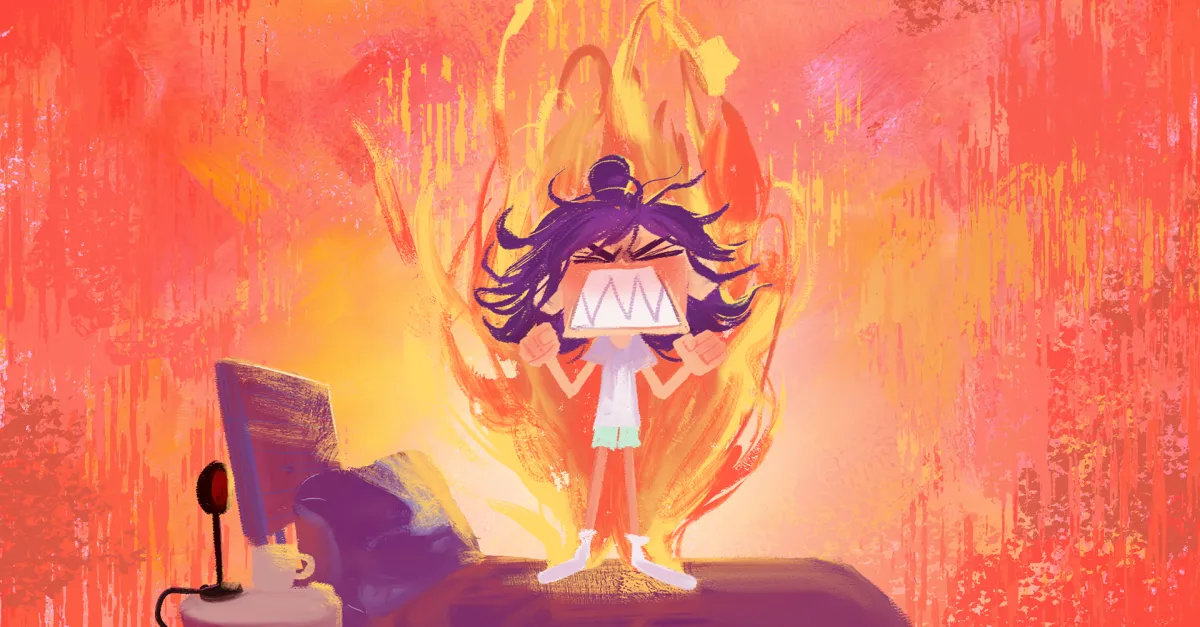
The 2026 Tribeca Film Festival highlighted a distinct divergence in generative filmmaking, with industry observers noting a move away from generic prompt-based generation towards bespoke, human-directed workflows. Google DeepMind’s short film Dear Upstairs Neighbors served as a primary case study in this shift, demonstrating how customised AI models can serve as creative tools when integrated with traditional artistic processes. The production utilised customised versions of the Veo and Imagen models, trained on specific concept art by Pixar veteran Yingzong Xin, to maintain visual consistency and narrative cohesion.
Written and directed by Connie Qin He, with Márcia Mayer producing and voicing the lead character, the film tells the story of an exhausted woman disrupted by her neighbours. To achieve a distinct expressionistic aesthetic, the creative team avoided standard text-to-video generation, which often results in visually inconsistent or lifeless content. Instead, they employed a hybrid workflow that began with rough animations created in Autodesk Maya, the industry standard for 3D rigging and visual effects. These roughs were fed into the customised Veo model for visual polishing, allowing the artists to fine-tune outputs and ensure the scenes unfolded exactly as envisioned.
This approach stood in contrast to other festival entries that relied on standard models. OpenAI’s Mauvais Soleil and Alice Gu’s Smoked, which used Sora to recreate the Palisades Fire, exhibited varying degrees of visual inconsistency, particularly in wide shots. Smoked’s fiery scenes appeared somewhat cartoony in wider angles, though the effect worked better in close-ups filmed using a Volume-like setup. Meanwhile, Roar by Illuminai Studios and ChikaBOOM! by Asteria Film Co. were described as lacking the visual and sonic polish necessary for cohesive cinema, reflecting the inherent limitations of their AI-forward production workflows.
The festival also underscored the economic and operational realities of independent AI filmmaking. Independent filmmaker Ash Koosha produced the docudrama Dreams of Violets, focusing on protests in Iran, using Kling AI, Claude, Gemini, and Nano Banana. The project required only $2,000 in computing costs and was completed by Koosha in a few weeks. While the narrative was powerful, the visual output did not break new ground, reinforcing the view that standalone prompt-based generation struggles to deliver commercially viable results without significant human intervention.
OpenAI’s presence at Tribeca was notable given the company’s recent decision to shut down Sora, which prevented its feature-length film Critterz from debuting at the Cannes Film Festival. Despite this pivot away from video-focused applications, OpenAI still presented Mauvais Soleil at the festival. The prevailing sentiment from the event suggests that Hollywood’s future lies in bespoke AI models tailored to specific workflows guided by human artists, rather than relying on generic tools that cannot replicate nuanced creative decisions.
