Treasury Secretary Bessent rejects Fort Knox audit amid valuation gap
Gold reserves at Fort Knox are valued at $11 billion on government books but worth approximately $667 billion at current market prices, highlighting the tension between statutory accounting and investor sentiment.
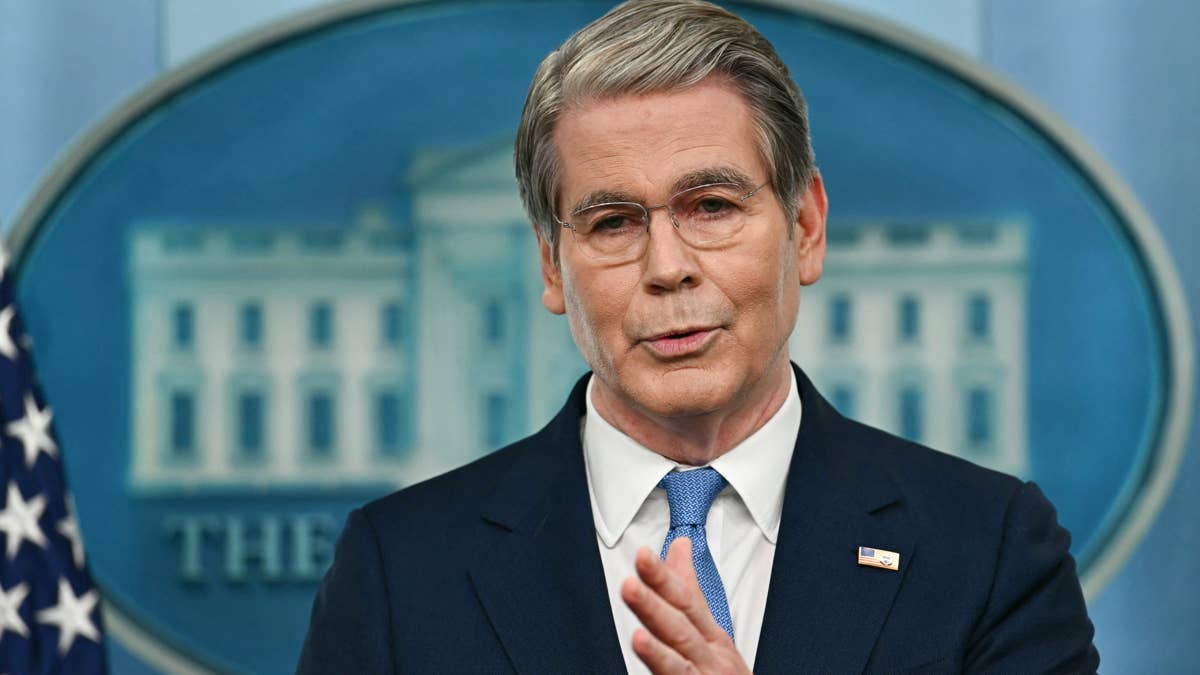
US Treasury Secretary Scott Bessent has firmly rejected calls for an independent, public audit of the gold reserves held at Fort Knox, asserting that annual internal verification is sufficient to account for all assets. The stance counters recent political pressure, including suggestions by President Donald Trump to count the gold, as well as legislative efforts by Representative Thomas Massie and Senator Mike Lee to mandate a Government Accountability Office audit.
Bessent stated he has no plans to visit the vault personally but offered to arrange visits for senators who request them, citing an internal verification dated 30 September 2024. His position remains unchanged since early 2025, when President Trump and Elon Musk, then leading the Department of Government Efficiency, raised doubts about the vault’s contents. Musk had previously offered to livestream a walkthrough, but the audit talk faded soon after.
The debate highlights a significant discrepancy between the statutory book value of the gold and its current market value. The gold at Fort Knox is valued on government books at a statutory price of $42.22 per ounce, frozen since 1973, resulting in a book value of approximately $11 billion. At a market spot price near $4,500 per ounce, as reported in late May, the market value of the reserves is estimated at approximately $667 billion.
Fort Knox holds approximately 147.3 million troy ounces of gold, representing roughly 59% of US official gold reserves. The last audit open to outside observers occurred in 1974, according to the US Mint. The United States holds the largest official gold reserves globally, near 8,133 metric tons, according to the US Treasury.
Legislative attempts to force transparency have stalled. The Gold Reserve Transparency Act of 2025, introduced by Rep Massie, has been referred to committee and has not progressed. Senator Lee introduced a companion version in November, but neither bill has moved forward. Skeptics, including Stefan Gleason of Money Metals Depository, argue that internal audits by the institution holding the assets undermine confidence in the system.
Gold prices have risen approximately 38% over the past year, Trading Economics noted. The asset is central banks and foreign creditors fall back on when they stop trusting paper currency, and its credibility props up the financial system every dollar earns runs through. Bessent is betting the faith holds, and so far it has, with no senator taking him up on the tour and the president having stopped knocking on the vault door.
The stakes of being wrong have tripled since the first audit calls, as the gold's value has quietly tripled. Whether the transparency bill ever gets a committee hearing, whether gold's climb forces a real conversation about revaluing the reserve closer to $667 billion, and whether anyone with the authority to open the door ever actually does remain to be seen. Until then, the most valuable question in American finance keeps getting answered by the one institution with the most reason to keep it closed.