Trade partners reject US forced-labour tariff justification as negotiations continue
The White House has designated forced-labour bans as a critical component of reciprocal trade agreements, yet trading partners are pushing back against the rationale while ten nations have already agreed to enact corresponding import restrictions.
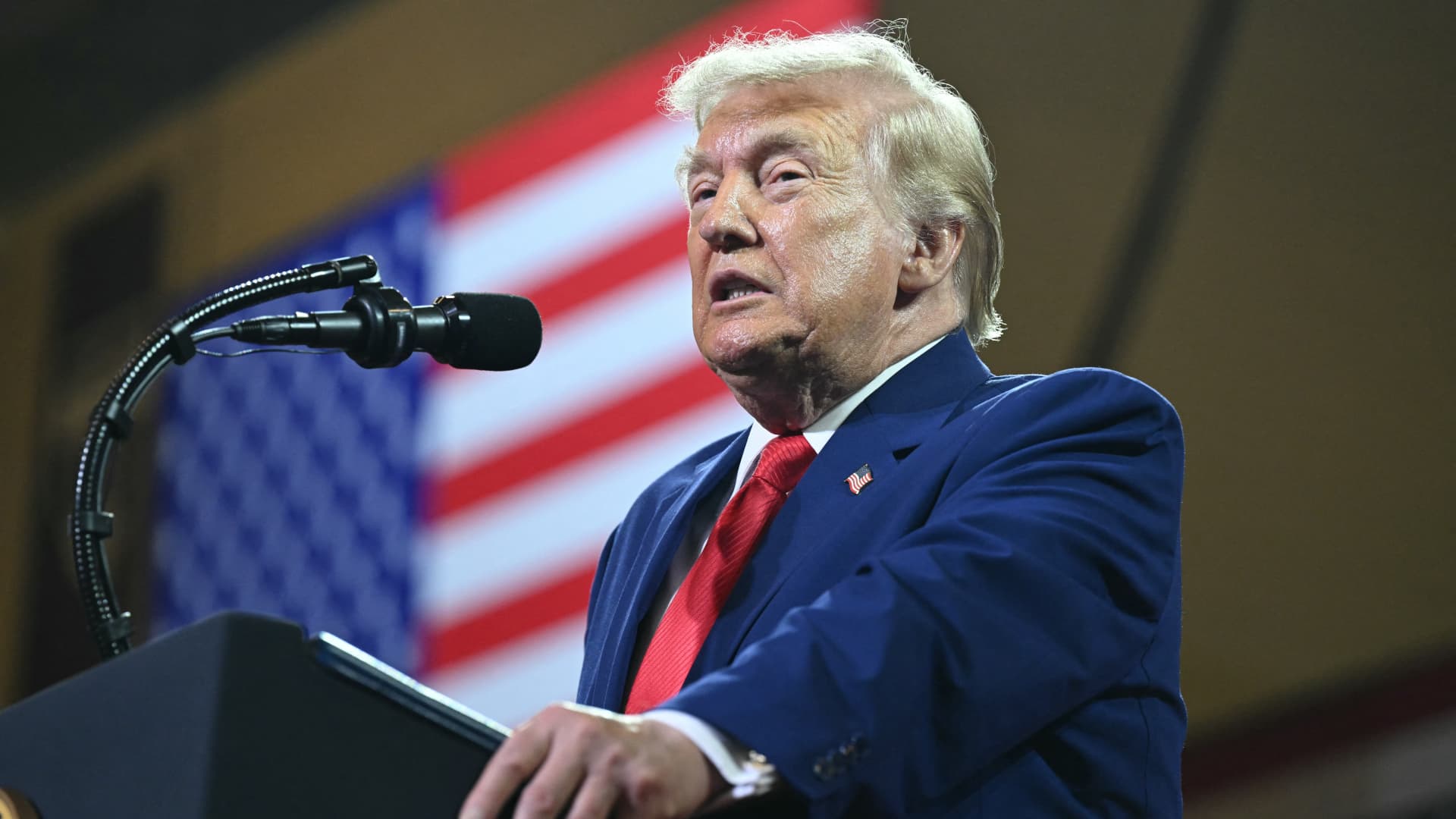
U.S. trading partners have formally rejected the forced-labour rationale underpinning President Trump’s new global tariffs, according to reports from CNBC. Despite the White House designating the adoption of forced-labour bans as a critical component of reciprocal trade agreements during the current administration, most affected nations have signalled their intention to continue negotiations rather than immediately escalate retaliatory measures.
The Office of the U.S. Trade Representative confirmed the imposition of the new tariffs, which target 60 trade partners. While the full text of the source documentation remains truncated, the administration has explicitly linked the duties to claims regarding manufacturing overcapacity and labour practices. Ten trading partners have already agreed to enact bans on forced-labour imports as part of these reciprocal agreements, and other countries have implemented similar measures in response to recent U.S. investigations.
This development occurs against a backdrop of broader geopolitical and market activity. On Thursday, U.S. stock markets rose as the Beijing summit between President Donald Trump and Chinese President Xi Jinping commenced. The Dow Jones Industrial Average gained 0.8 per cent, the S&P 500 rose 0.3 per cent, and the Nasdaq Composite climbed 0.2 per cent. Nvidia shares also surged more than 2 per cent following U.S. approval of certain technology-related matters.
The U.S. Trade Representative is currently investigating 16 countries over claims of manufacturing overcapacity, a process that could lead to additional duties later this year. Business groups and affected countries are expected to push back on the latest tariffs, with many trading partners weighing potential legal challenges or retaliatory duties in response to the measures.
Economists have warned that higher tariffs can make everyday goods more expensive, adding complexity to the ongoing trade dynamics. The recent summit in Beijing, which began on 14 May 2026, addressed tensions over trade, artificial intelligence, and Iran, highlighting the multifaceted nature of the current international economic landscape.