Toyota opens Woven City, a $10 billion private research hub
Woven City hosts 100 initial residents known as "Weavers" to test autonomous vehicles and robotics in a controlled environment aiming for zero accidents.
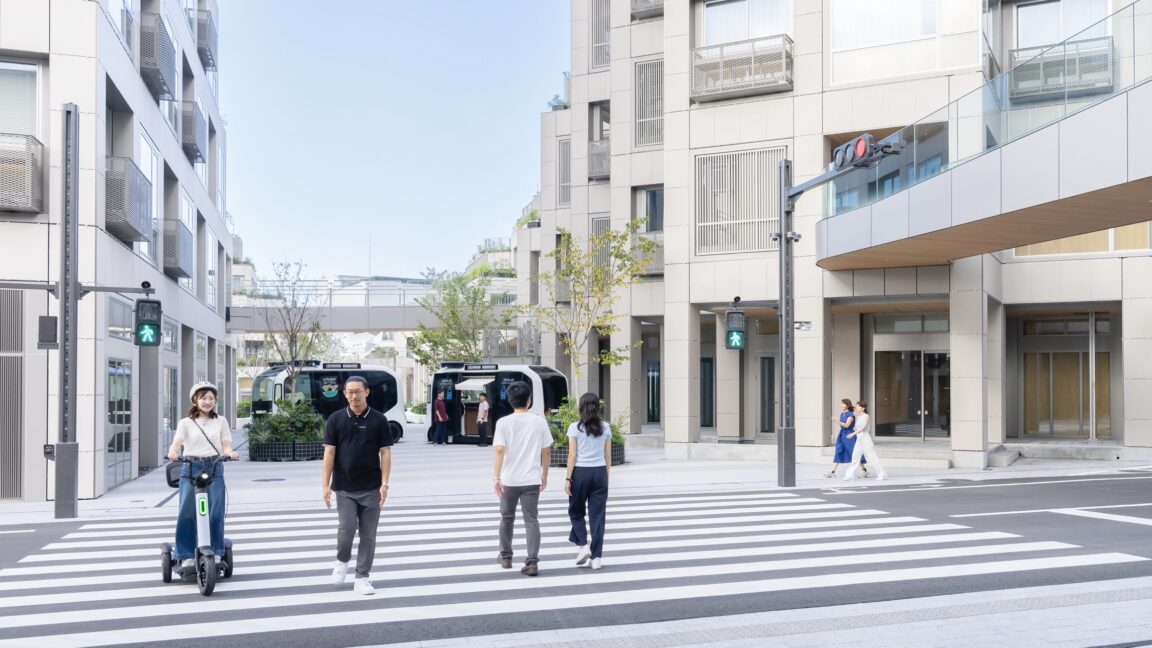
Toyota has officially opened Woven City, a privately funded urban facility costing an estimated $10 billion. Situated on a former factory site, the project functions as a living laboratory for future mobility, hosting 100 initial residents known as "Weavers" who test autonomous vehicles, robotics, and smart home technologies. The facility aims to achieve a "society with zero accidents" by utilising an extensive network of cameras feeding into a central AI Vision Engine to monitor activity and safety.
The site is currently in its early stages, having opened six months ago. It features a small footprint, with approximately 10 per cent of the planned 175 acres complete, and a low population density. This limited scale results in an atmosphere that can feel eerily empty, contrasting with the ambitious vision of a fully realised smart city.
Surveillance density within the compound is significant, with reports of eight separate cameras at a single intersection and numerous ceiling-mounted units in buildings and public spaces like coffee shops. These feed into the Woven City AI Vision Engine, which can track individuals based on clothing patterns even without facial recognition. Toyota has implemented a "Data Fabric" system allowing residents to opt in or out of specific data collection services, though the vast majority of the initial "Weaver" residents have opted into experiments, such as allowing robots with cameras to operate inside their homes.
Vehicle testing limitations are also apparent, as prototype autonomous vehicles, such as the Swake three-wheeled scooter and the Guide Mobi robot, are currently restricted to the grounds and cannot leave the site for broader real-world testing. The enclosed nature of the facility means that while innovation is fostered, the real-world applicability of current testing results remains constrained by the lack of external variables.
Energy initiatives are a key component of the site, featuring a "virtual power plant" where electric vehicles are stored in a facility with bidirectional chargers and solar roofing. These vehicles can collectively offset peak power demand by up to 10 per cent, though current operations require manual unplugging and plugging by humans. The project represents a significant bet by the automotive giant to redefine its role in the mobility sector through deep integration of hardware and software.
