Toyota C-HR EV Review: Style Over Substance in North American Market
The new all-electric C-HR offers bold styling and twin-motor performance but faces criticism for rear cabin constraints and software quirks, positioning it as a niche alternative to the larger bZ4x.
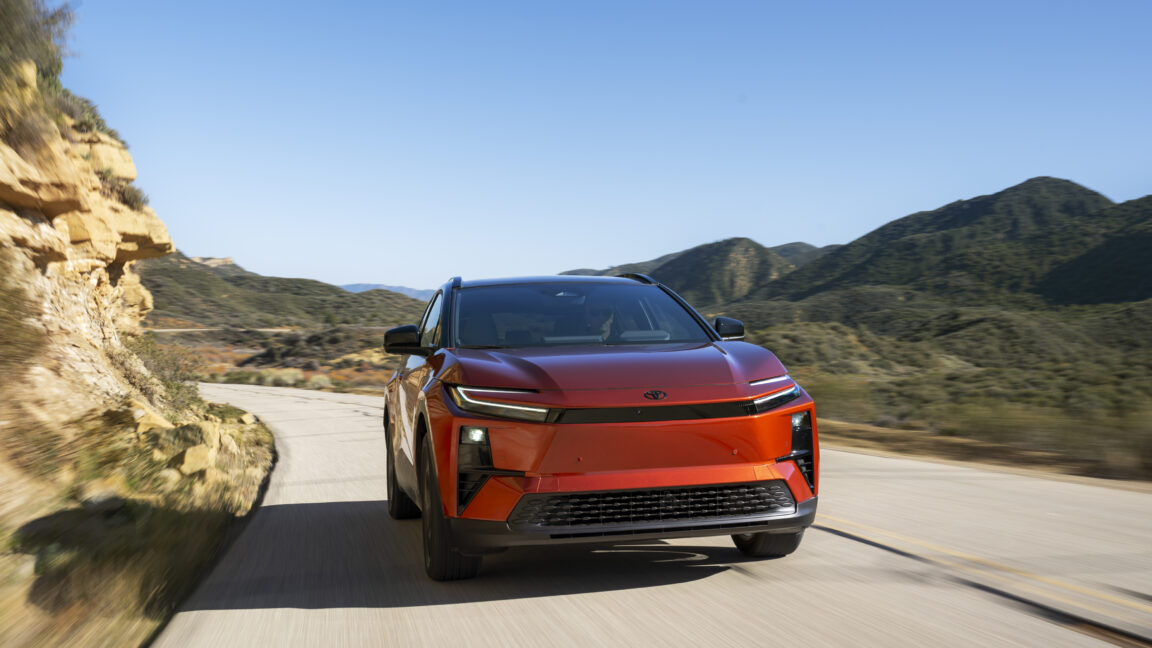
Ars Technica has published a detailed review of the Toyota C-HR, a new all-electric compact SUV targeting the North American market. Positioned as a smaller, style-focused alternative to Toyota’s bZ4x, the C-HR starts at $37,000. The vehicle utilises a twin-motor all-wheel-drive setup producing 338 hp from a 74.7 kWh battery pack, sharing interior components with the bZ series, including a 14-inch touchscreen infotainment system with wireless Apple CarPlay.
Despite its compact dimensions, which are 6.7 inches shorter in wheelbase than the bZ, the C-HR retains a similar width and offers a powertrain that costs approximately $3,000 less than the equivalent twin-motor AWD configuration in the bZ4x. The review notes the car's bold styling and eager throttle response, describing it as a "frivolous" vehicle that prioritises character over simple utility. However, the vehicle’s frenetic nature is tempered by front-biased power delivery and steering that reviewers found not particularly communicative.
Interior practicality appears to be a compromise in the redesign. Rear passenger space is limited, with only one 15 W USB-C port available unless the XSE trim is selected, which adds heated rear seats. The cabin can feel dark when seated level with the C pillar, even with the optional panoramic glass roof, which trades over an inch of headroom for additional light. While the infotainment system is responsive, the review highlights a software quirk where the air conditioning fails to retain its previous setting upon startup, a frustration exacerbated during testing in Washington DC’s hot and humid conditions.
Efficiency metrics from real-world testing fell short of official estimates. The reviewer recorded an average efficiency of 3.8 miles/kWh, resulting in an estimated range of 149 miles at a 72 percent state of charge. This contrasts with the official EPA range of 273 miles with 20-inch wheels, or 287 miles with 18-inch wheels. The discrepancy may be attributed to the extreme weather conditions during the test week, making it difficult to extrapolate performance figures that match Toyota’s official claims.
Charging infrastructure compatibility remains a strong point, with the C-HR featuring a native North American Charging Standard port supporting up to 150 kW DC fast charging. This allows access to tens of thousands of fast chargers, including Tesla’s Supercharger network, with 10 to 80 percent charging taking approximately 30 minutes. The C-HR is part of a broader strategy to introduce bZ-related variants, including the bZ Woodland and an all-electric Highlander, as Toyota seeks to correct the initial reception of its first EV attempt.
