Tori Dunlap warns against 'white-knuckling' debt repayment amid record US household liabilities
With US household debt hitting $18.8 trillion by late 2025, Dunlap advocates for automated systems and reduced hypervigilance to prevent burnout and maintain financial wellness.
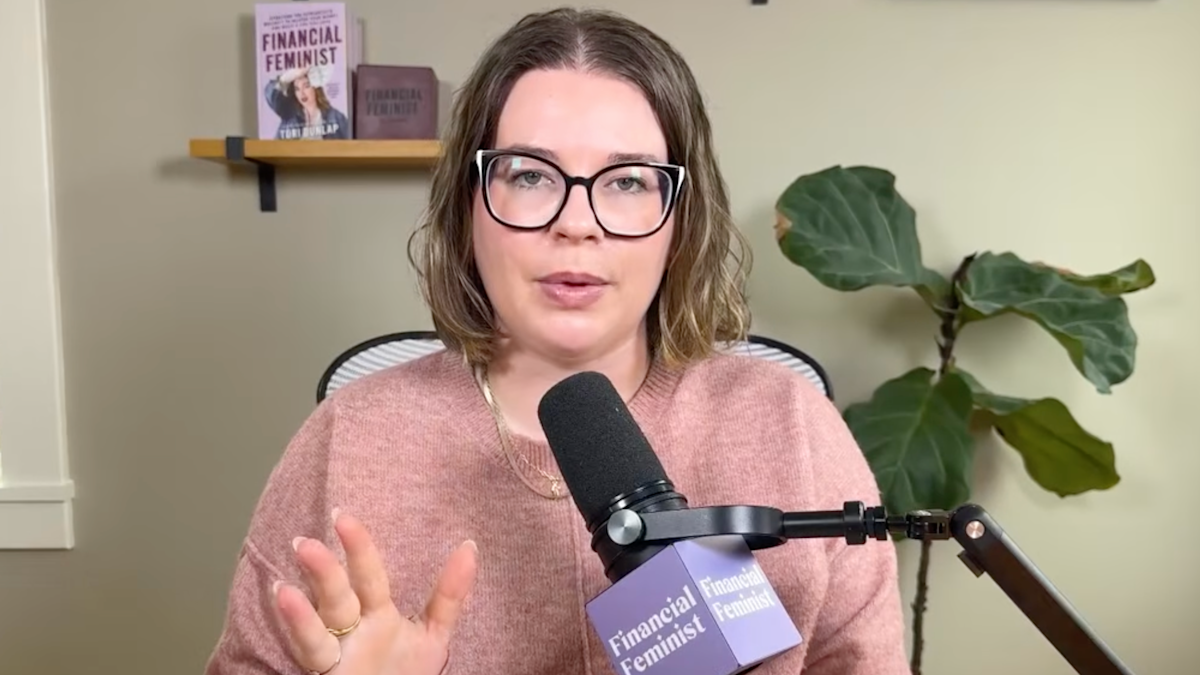
Self-made millionaire and author Tori Dunlap has urged individuals to abandon aggressive debt repayment strategies that prioritise financial metrics over mental well-being. The founder of Her First $100K argues that the constant monitoring of balances and interest rates constitutes "debt as cognitive labor," a process that frequently leads to anxiety, burnout, and a loss of personal identity rather than disciplined progress.
Dunlap, who has built a following by helping millions challenge their beliefs about money, describes the mental load of carrying high-interest debt as a primary source of distress. In a recent podcast episode, she noted that hypervigilance is often mistaken for discipline but is actually a driver of spiraling thoughts. She emphasised that paying off debt should not require the removal of all joy from life or become a person's entire identity.
The advice comes against a backdrop of significant financial pressure. Data from the Federal Reserve Bank of New York indicates that US household debt reached a record $18.8 trillion by the end of 2025. This figure includes $12.8 trillion in mortgages, alongside contributions from home equity lines of credit, auto loans, and credit card debt. By December 2025, the average credit card debt per American stood at $6,715, according to TransUnion.
Further highlighting the strain on consumers, a 2025 financial wellness report from PNC found that 67% of Americans were living paycheck to paycheck. Despite these figures, aggregate nominal household debt balances saw only a 0.1% rise in the first quarter of 2026, suggesting that while debt levels remain high, the rate of new accumulation has stabilised slightly.
Dunlap advocates for sustainable, balanced approaches over strict deprivation. She recommends automating payments and savings to create systems that require less active energy, allowing individuals to progress toward financial goals without constant mental negotiation. She also advises limiting account checks to weekly or monthly intervals and suggests blocking banking apps if they trigger unhealthy obsession.
Rejecting shame-based financial advice, Dunlap stated that individuals do not need to suffer to be responsible or earn rest by hitting a zero balance. She framed debt repayment as an issue of emotional endurance, encouraging listeners to give themselves permission to have a personality beyond their liabilities. "Slow progress beats burnout, always," she said, urging a focus on consistency rather than perfection.