Tomorrow, When the War Began: A 2010 Classic Revisited
While it underperformed commercially upon release, the film's portrayal of community loyalty and its resonant soundtrack have cemented its status as a cult favourite among adults who grew up with it
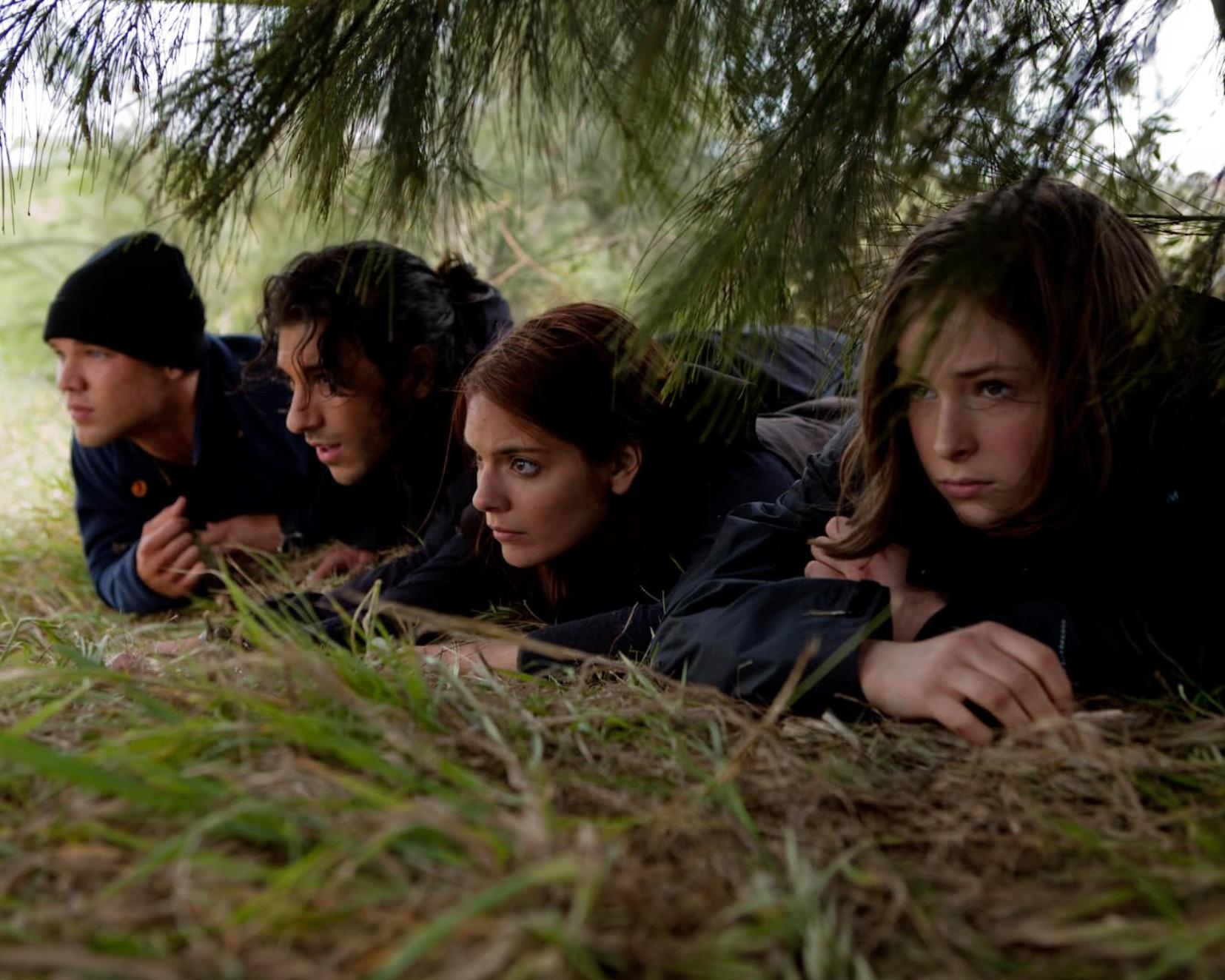
Released in 2010, the Australian film adaptation of John Marsden's novel *Tomorrow, When the War Began* was ostensibly an action-adventure story about teenagers defending their town from an unnamed invading force. However, a review published by The Guardian argues that the film's true significance lies not in its plot, but in its poignant portrayal of growing up in a world that feels rapidly destroyed before one's eyes. The narrative captures the specific microcosm of 2010 Australian adolescence, offering a sense of realism that resonated deeply with the generation that first saw it in cinemas.
The production featured an all-Australian cast that included Caitlin Stasey as the strong-willed Ellie, Phoebe Tonkin as prim townie Fiona, and Lincoln Lewis as country boy Kevin. Beyond these recognisable faces, the ensemble felt authentically local, representing Greek, Indigenous, Vietnamese, and Thai backgrounds long before diversity became a major industry buzzword. This grounding in ordinary Australian life, rather than a faraway land like California, allowed the characters to feel like people the audience actually knew, creating a unique connection that persists today.
The film's atmosphere is further defined by a soundtrack consisting of 2000s Australian classics from artists such as Jet, Sarah Blasko, and Missy Higgins. The review notes that tracks like Missy Higgins' *Steer* and The Temper Trap's *Fader* have never sounded as good as they do in the film, particularly in scenes depicting off-roading through the bush. These musical choices, combined with the setting, reinforce the idea that the movie was made specifically for teenagers existing in that exact era.
Despite its cultural resonance, the film was a commercial flop upon its initial release in 2010. It has since developed a cult following among adults who watched it as teenagers, with many recalling blasting the film's music on their first road trips. This sleeper cell adoration suggests that the movie missed the peak of the *Hunger Games*-induced teen dystopia craze by approximately two years, yet it has managed to secure a late-in-life resurgence among those who view it as a defining piece of their youth.
Thematically, the film distinguishes itself from American blockbusters by focusing on community loyalty rather than patriotism. The narrative explicitly discourages vigilantism, a point underscored by a cameo from actor Colin Friels who delivers the line, "A couple people tried to be heroes. They paid the price." The core emotional conflict involves young people forced to make drastic decisions due to circumstances outside their control, highlighting the messy moral conundrums of coming of age in a harsh world.
A particularly striking moment occurs when the character Ellie sneaks through the destroyed town and glances at a mural depicting the First Fleet's arrival in 1788. While British colonisers are shown triumphantly in the foreground, the review highlights how Ellie's eyes drift to the Indigenous Australians illustrated in the background. This visual juxtaposition suggests a thematic link between historical invasion and the film's fictional conflict, implying that invasion is baked into the bones of the country and that the threat faced by the teens is not new.
Currently, the film is available to stream on Stan in Australia and can be rented in Australia, the UK, and the US. Its enduring legacy serves as a reminder of the limited media made specifically for Australian adolescents, prompting calls to enshrine its significance in the cultural canon. Sixteen years after its release, the theme of being unprotected in a world unlike the one promised remains even more resonant for teenagers today.