Tom Bischof inherits Bayern Munich number eight as Goretzka era ends
The 21-year-old midfielder has been assigned the deep-lying playmaker role and the iconic shirt, a move that signals a structural shift in the club’s midfield hierarchy following Leon Goretzka’s departure.
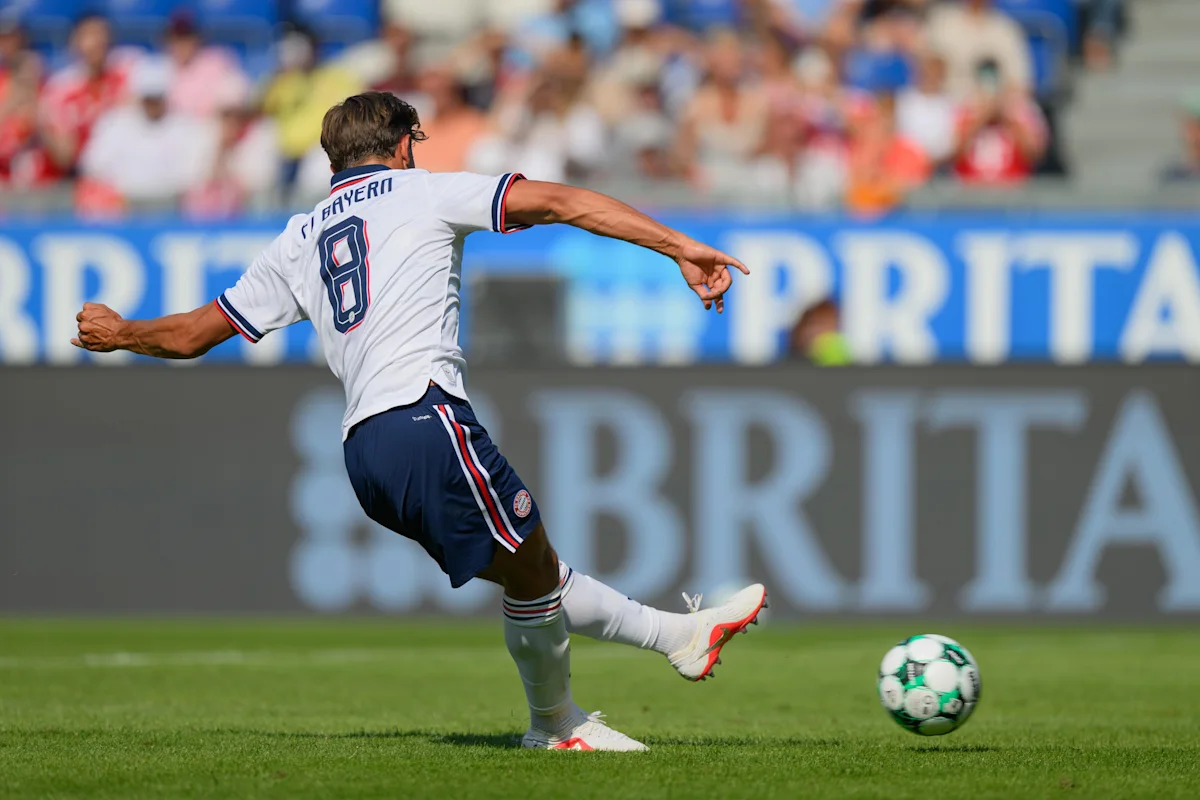
Bayern Munich has formally transitioned the number eight shirt and the associated deep-lying playmaker duties to Tom Bischof, marking a definitive end to the Leon Goretzka era at the club. The 21-year-old midfielder has been identified as the successor to a role that demands both tactical discipline and creative output, a position previously held by Goretzka who left the club after a long tenure.
The assignment of the number eight is not merely symbolic; it reflects a specific tactical requirement for Bischof to operate in a more defensive capacity. While the player previously favoured the number ten, he acknowledged that his current role aligns better with the deeper positioning required of the number eight. This shift underscores the club’s intent to integrate Bischof into a structured midfield framework that prioritises defensive stability alongside ball progression.
Bischof described the inheritance of the shirt as a responsibility rather than a burden, noting the historical weight carried by the number. The jersey has been worn by club legends including Paul Breitner, Lothar Matthaus, and honorary president Uli Hoeneß. Goretzka himself inherited the number from Javi Martinez, who wore it during his treble-winning first season, adding further institutional significance to the transition.
In a display of internal protocol, Bischof did not immediately claim the number upon Goretzka’s departure. He waited out of respect for his predecessor and consulted with teammate Aleksandar Pavlovic, another young midfielder rising through the ranks. Pavlovic, who had also been considered a potential successor, chose to retain his own number, clearing the path for Bischof to make an official request to the club.
The decision highlights the club’s approach to managing talent succession within its midfield unit. By allowing the players to negotiate the allocation of iconic numbers among themselves, Bayern Munich maintains a culture of internal respect and hierarchy. Bischof’s acceptance of the role suggests a readiness to assume greater tactical duties, aligning his personal development with the club’s broader strategic needs.
As Bischof prepares to wear the number eight, the focus shifts to his ability to deliver in a role that has historically produced elite performers. The transition represents a significant moment in the club’s ongoing restructuring, placing a young player at the centre of a pivotal tactical position with a rich historical legacy.