Thirty-year Treasury yields breach 5% threshold as inflation and geopolitical risks weigh on markets
Rising borrowing costs and a $38.5 trillion national debt burden complicate the economic landscape as bond markets react to Middle East tensions and rebounding inflation.
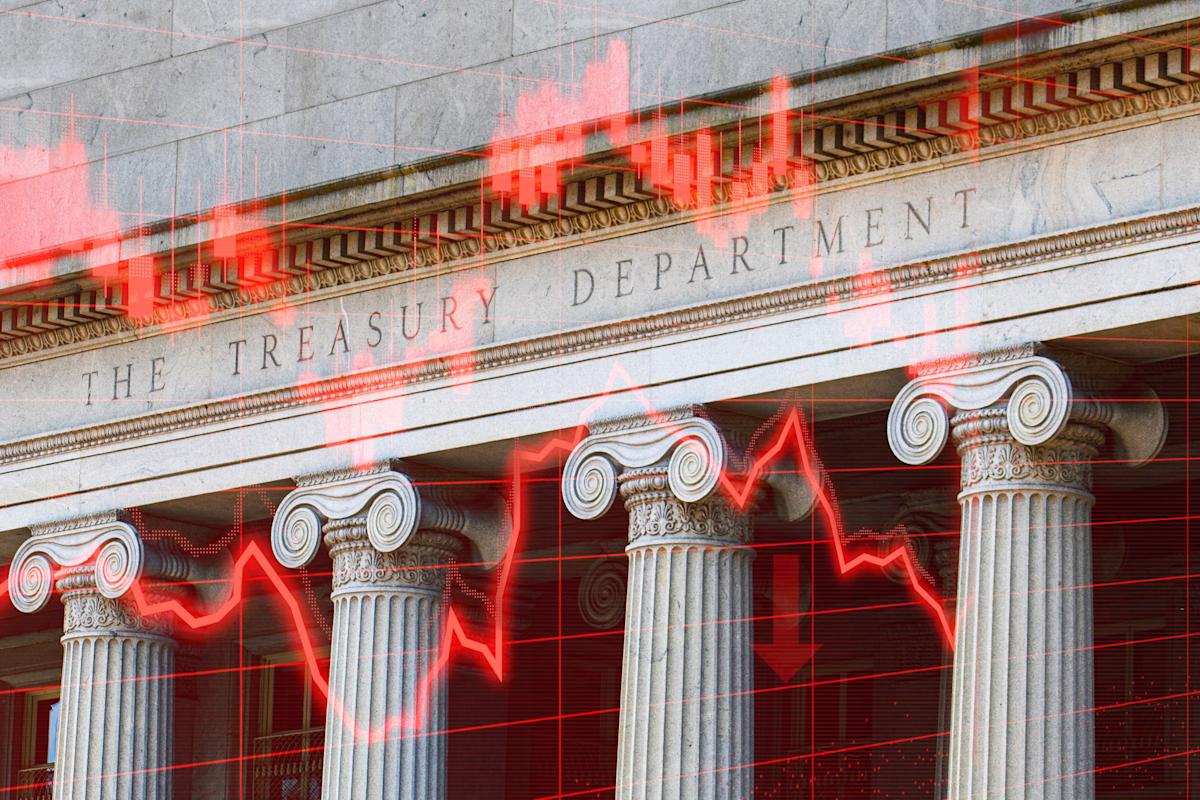
Thirty-year US Treasury yields have climbed above 5%, marking their highest level since 2007, while two-year and ten-year yields have reached peaks not seen since February 2025. This surge in bond yields, which move inversely to bond prices, is driven by a combination of persistent inflation concerns, geopolitical pessimism regarding the Middle East conflict, and a lack of significant policy announcements following the recent Trump-Xi summit in Beijing. The Federal Reserve Bank of Philadelphia released an economic outlook predicting lower growth and continuing inflation, further intensifying market anxiety.
Inflation data has provided fresh fuel for the rally in yields. The Consumer Price Index rose 3.8% in April, representing the largest gain in three years, while gas prices surged by more than 28%. These figures have kept inflation fears active and reduced consumer buying power. Consequently, Wall Street futures markets are beginning to suspect that the Federal Reserve’s next move may be a rate hike rather than the rate reduction previously anticipated by investors.
The implications for government debt servicing are substantial. With the US national debt standing at $38.5 trillion, a 1% increase in interest rates would add $3.2 trillion in interest costs over the next decade. Rising yields also exert pressure on equity markets, as higher borrowing costs impact corporate profitability and risk-free returns from government bonds become more attractive compared to stocks. This dynamic has contributed to volatility in tech stocks and broader equity indices.
For households, the impact is felt through higher mortgage rates, which are closely tied to the 10-year Treasury note, and increased costs for variable-rate consumer debt. However, savers may see some benefits, as higher yields can enhance returns on longer-term savings vehicles and certificates of deposit. Financial advisors suggest that investors review their bond durations and consider strategies such as bond ladders or Treasury Inflation-Protected Securities to navigate the shifting rate environment.
Corporate earnings have shown mixed signals amidst the macroeconomic uncertainty. Amazon shares rose 31.9% in a single month following a fourth-quarter fiscal 2025 report that beat expectations with $213.4 billion in revenue. Meanwhile, Nvidia shares surged more than 2% following a chip sale approval, but Cisco is planning job cuts as part of a broader restructuring effort. These developments highlight the divergent performance across sectors as markets digest the new reality of higher interest rates.