Thinking Machines Lab previews human-centric AI models amid industry shift
The new technology aims to keep humans in the loop by understanding continuous, messy communication, contrasting with the text-prompt-driven automation strategies of major tech firms.
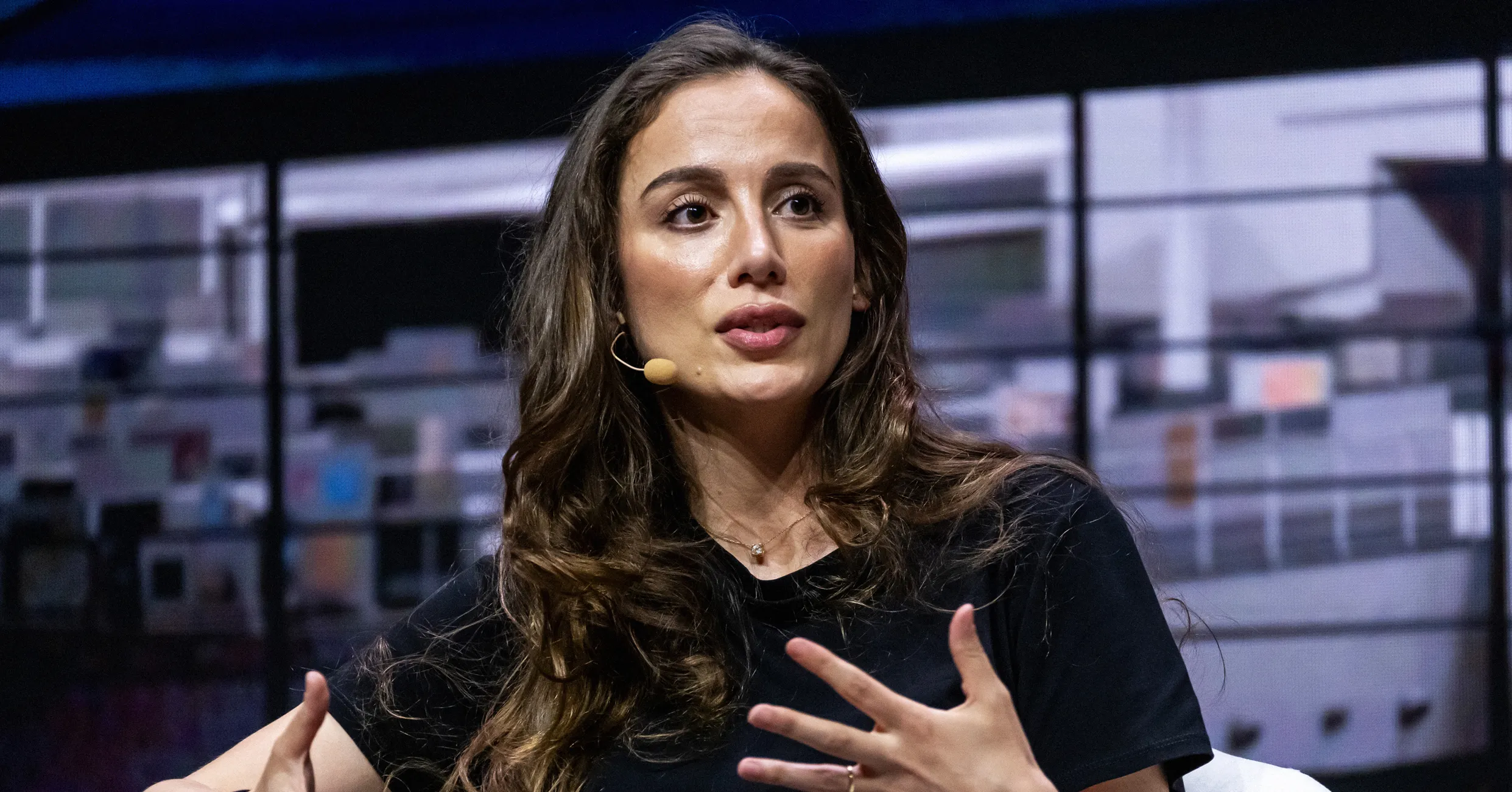
Mira Murati, founder of Thinking Machines Lab and former chief technology officer of OpenAI, has previewed a new class of artificial intelligence models designed to prioritise human collaboration over full automation. The company’s “interaction models” represent a strategic pivot from the industry’s prevailing focus on autonomous superintelligence, aiming instead to amplify human intent and keep users actively engaged in the decision-making process.
Unlike standard voice interfaces that rely on transcription and discrete command inputs, these models are trained to process continuous, unstructured human communication. According to the company, the technology natively understands the nuances of human interaction, including pauses, interruptions, and shifts in tone, allowing it to adapt in real-time when a user clarifies a point or changes the subject.
This approach stands in sharp contrast to the current development strategies of major technology firms such as OpenAI, Anthropic, and Google. While these competitors are building large models capable of executing complex tasks, such as writing software applications from scratch, with minimal human assistance, Thinking Machines is focusing on systems that require human input. The lab’s vision aligns with growing public concern regarding job displacement and calls from some economists for AI systems that empower rather than replace workers.
Alexander Kirillov, a founding team member and expert in multimodal AI at Thinking Machines, explained that the new architecture allows the model to constantly perceive user actions. This enables the system to determine conversation turns and respond dynamically, a capability Kirillov noted is absent in current models where turn-taking is often managed by less intelligent systems. He stated that this constant perception allows the AI to reply, search for information, or utilise other tools based on continuous user engagement.
Murati, who left OpenAI in 2024 to co-found Thinking Machines with several prominent engineers, described the preview as the company’s first bet on human collaboration. She emphasised that while the lab still aims to build superintelligent machines, the best path to positive outcomes involves keeping humans in the loop. The company, which has raised billions of dollars for frontier AI development, has yet to release these interaction models publicly, though it previously launched Tinker in October 2025, an API allowing users to refine frontier models using custom data.
