Therabody enters premium recovery market with $400 CryoTherm Palm
The Washington-based firm expands beyond massage guns into specialised hand recovery tools, citing performance data from University of Southern California athletes.
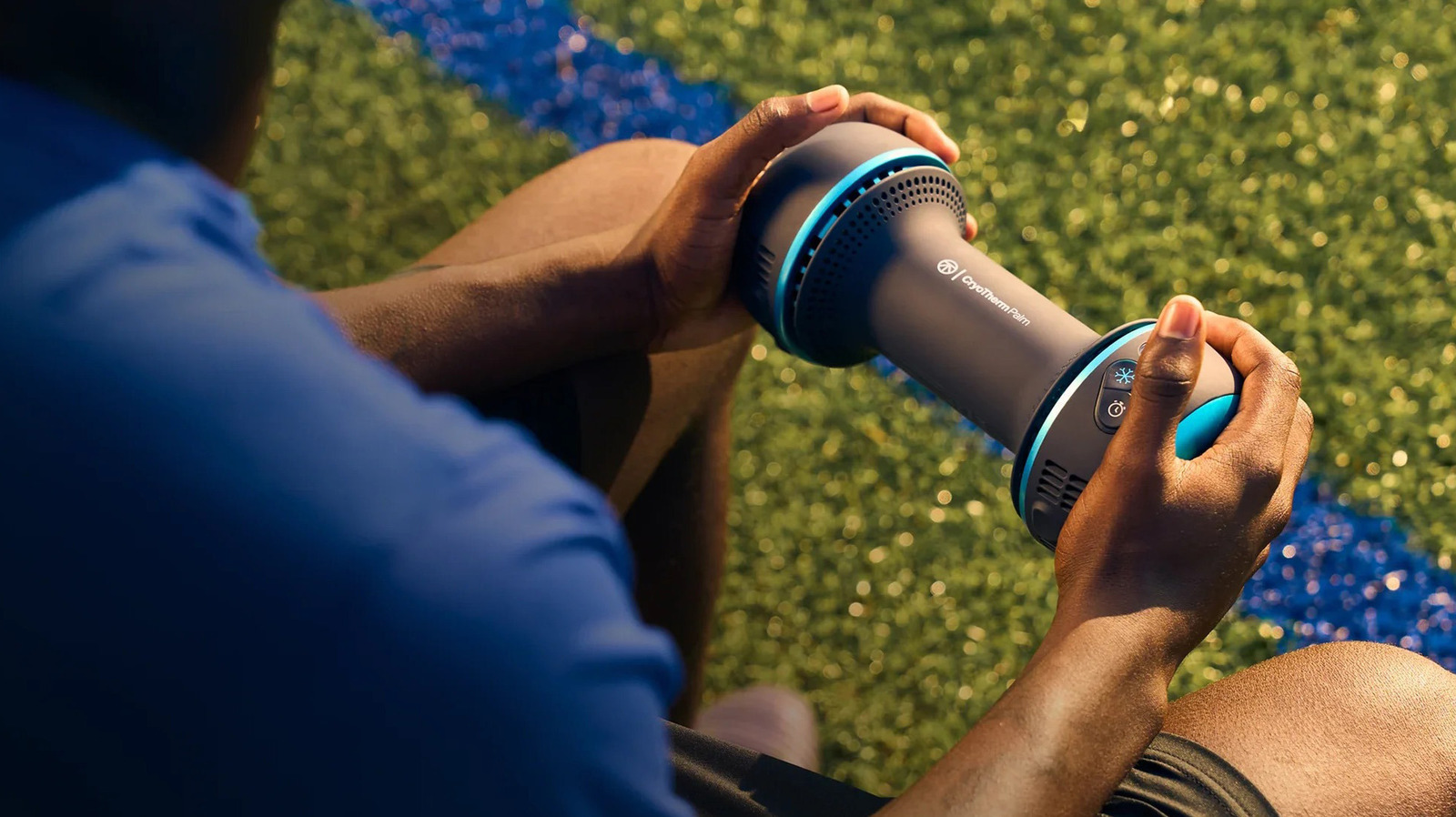
Therabody has expanded its portfolio of recovery technology with the launch of the CryoTherm Palm, a handheld device priced at $399.99. The company, primarily recognised for its post-workout massage guns, is targeting consumers seeking to maintain grip strength and delay fatigue during exercise through targeted thermal therapy.
The device allows users to rest both palms on opposite ends for intervals of one to three minutes, rather than gripping the unit in the centre. It offers three selectable levels for cold and heat therapy, as well as a contrast setting that applies heat to one side and cold to the other. The unit also includes a built-in stopwatch and provides a maximum battery life of 120 minutes.
Therabody claims the technology can help extend performance by cooling the hands to push back the onset of fatigue. To support these assertions, the company cited real-world testing involving University of Southern California soccer players. According to Therabody, athletes using the device performed 58 per cent more repetitions in their final set compared to baseline metrics.
The launch marks a strategic shift for the manufacturer towards body-specific recovery devices. This follows previous releases such as the TheraFace Mask Glo, which utilises LED technology to address facial wrinkles, and a dedicated face massager. The move indicates a broader effort to diversify revenue streams beyond its core massage gun products.
While the device bears a slight resemblance to earlier fitness gadgets like the Shake Weight, its application is distinct. However, independent verification of the device's efficacy for non-athletic users remains unconfirmed in available sources. The performance claims rely heavily on the specific testing cohort, and long-term benefits for general consumers have not been independently verified.
Investors and consumers may view the pricing and claims with caution, given the premium cost and the specific nature of the supporting data. The device represents a high-margin entry into a niche segment of the fitness technology market, where specialised recovery tools command significant price premiums.
