Thea Energy secures $20 million federal grant to scale fusion magnet manufacturing
Thea Energy has been awarded a $20 million grant from the US Department of Energy’s ARPA-E agency to scale manufacturing of its modular magnets, following a $100 million capital raise in May.
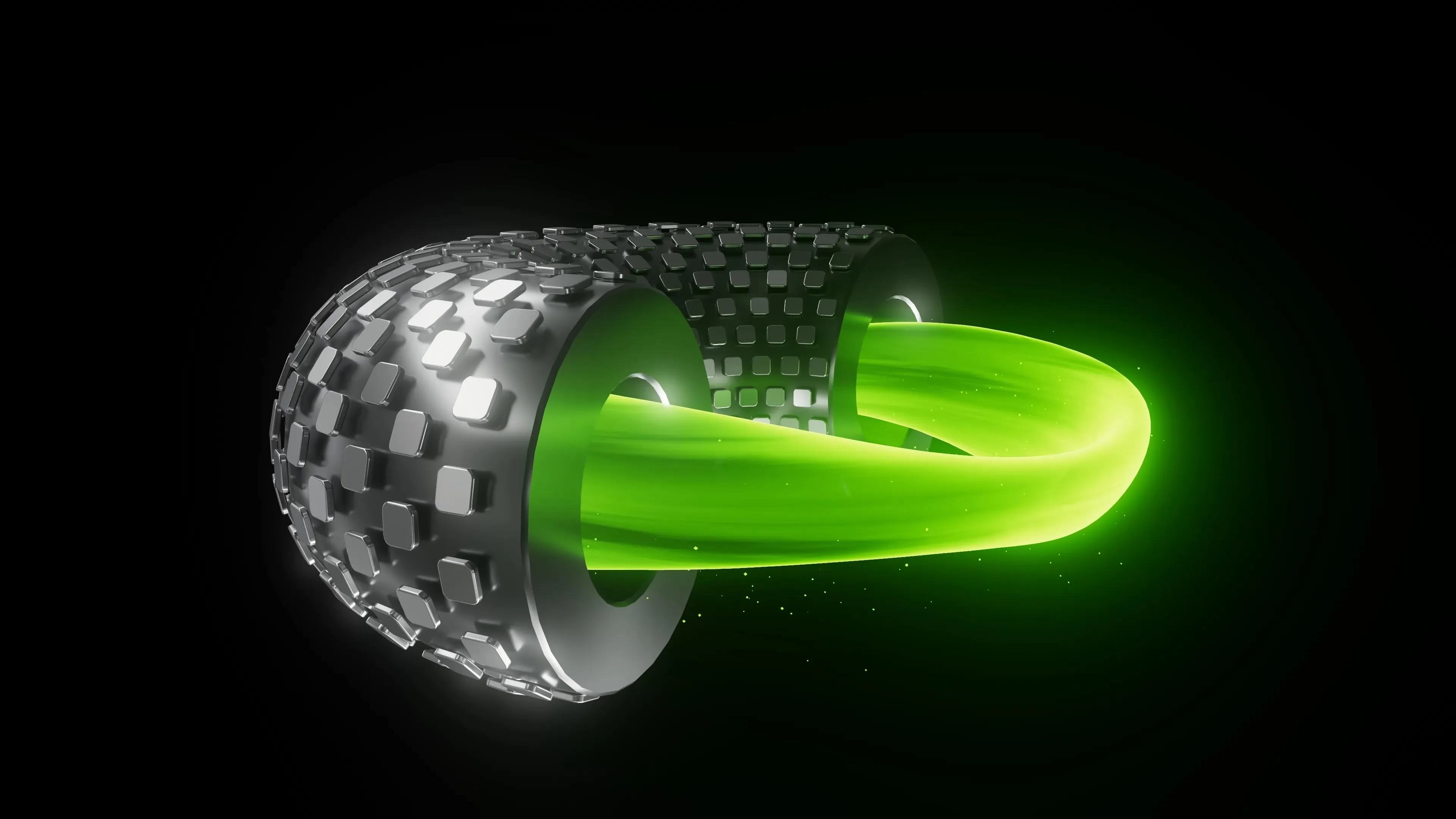
Fusion power startup Thea Energy has been awarded a $20 million grant from the US Department of Energy’s Advanced Research Projects Agency-Energy (ARPA-E). The funding is designated to scale the manufacturing of the company’s modular high-temperature superconducting (HTS) magnets, a critical component in magnetic confinement reactors. HTS magnets are expensive but essential for containing and compressing plasma to initiate fusion reactions.
Thea Energy utilises a stellarator design, which employs twisted and squeezed magnetic field lines to confine plasma. Unlike most stellarators that require magnets built to mimic complex twists and turns, Thea has reduced manufacturing costs by limiting its large magnets to four different templates. The company also employs identical small magnets for fine-tuning, which are controlled by software to allow for more forgiving construction tolerances.
The grant follows significant capital inflows for the startup. Thea Energy raised $100 million in May, building on a $20 million Series A round secured in 2024. The company is among the top-funded fusion startups, having attracted substantial venture capital to support its development efforts.
Thea Energy aims to construct a commercial-scale fusion power plant by the mid-2040s. While the specific timeline for the manufacturing scale-up using the ARPA-E grant is not specified, the company claims its software-controlled magnet design and reduced variants could lower production costs. The feasibility of meeting its commercialisation target remains subject to technical and regulatory challenges inherent to fusion energy development.
