Thea Energy secures $100 million Series B to accelerate fusion reactor development
Thea Energy has closed an oversubscribed funding round led by the U.S. Innovative Technology Fund, positioning the company among the best-capitalised fusion ventures as it advances its proprietary magnet technology and demonstration reactor.
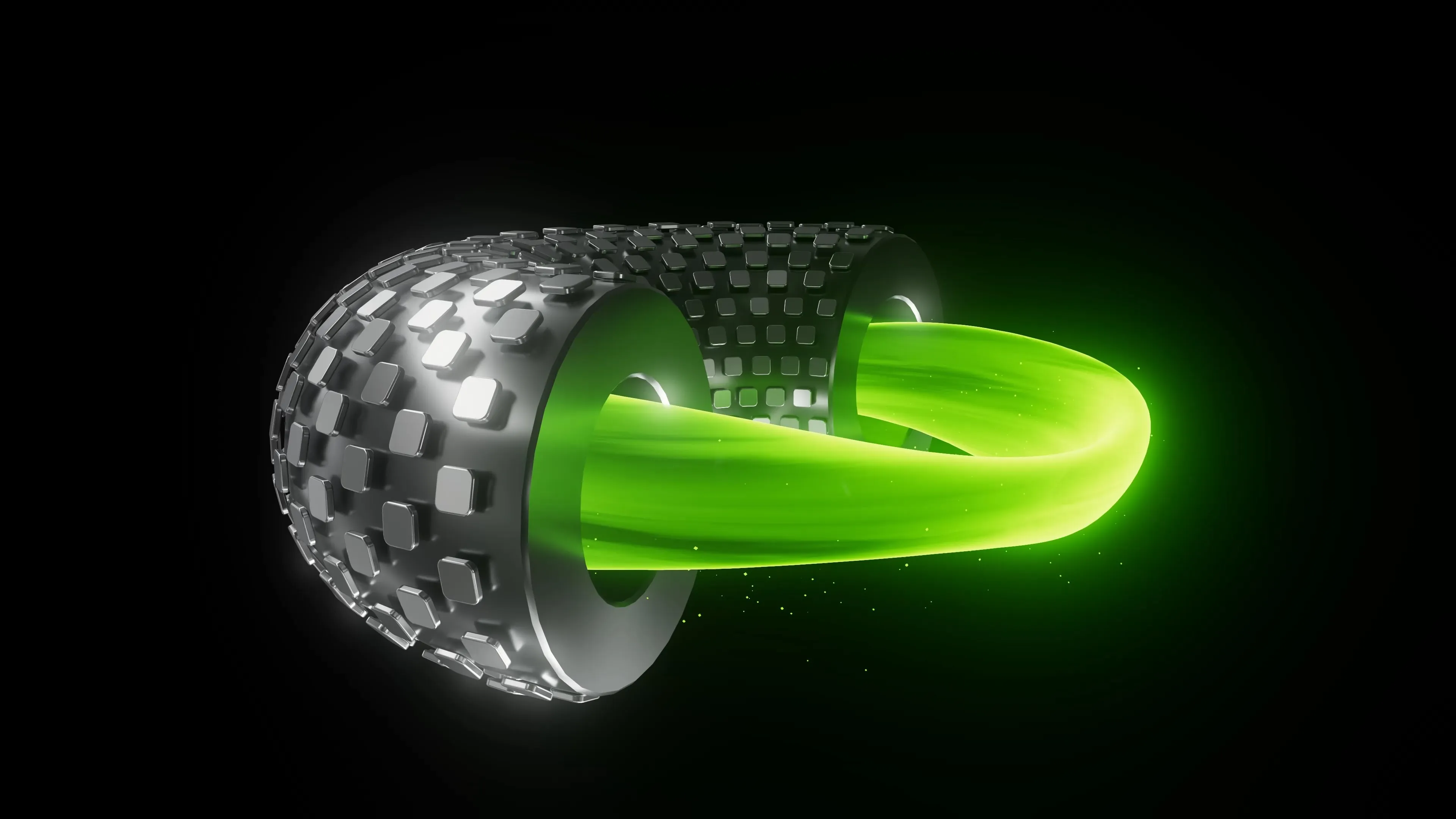
Princeton-based fusion startup Thea Energy has secured an oversubscribed $100 million Series B funding round, led by the U.S. Innovative Technology Fund. The investment brings the company’s total private capital to $130 million, following a $20 million Series A round closed in early 2024. This capital injection positions Thea among the best-funded ventures in the fusion sector, providing the financial runway necessary to scale manufacturing and advance its reactor designs.
The funds will be directed toward expanding production of the company’s proprietary "pixel-inspired" magnets and initiating construction of Eos, a demonstration device. Construction on Eos is scheduled to begin next year, with the company targeting completion by 2030. Thea Energy aims to launch its commercial reactor, Helios, by 2034, a timeline that aligns with competitors such as Commonwealth Fusion Systems, which is also targeting the early 2030s for its Arc reactor in Virginia.
Thea Energy’s approach centres on a stellarator-type reactor design, which utilises software-controlled magnets to shape the magnetic field required to confine superheated plasma. Unlike traditional stellarators that require complex twisting and bending of coils, Thea’s design employs rectangular magnets that can be individually tuned. The company likens this mechanism to pixels on a computer monitor, where each unit adjusts to create the overall image, allowing for a simpler physical structure and potentially reduced manufacturing complexity.
In its Jersey City laboratory, Thea has built dozens of iterations of these full-scale magnets. The current design features over 300 smaller magnets for fine-tuning plasma, supported by 12 larger magnets of four different shapes installed outside the planar coils to handle primary confinement. While the reliance on these larger magnets has somewhat eroded the initial manufacturing advantage of the planar coil design, the company maintains that its software-driven assembly process offers significant efficiencies compared to the massive assembly halls required by other magnetic confinement startups.
The Series B round was supported by a broad group of investors including General Innovation Capital Partners, Linse Capital, Calm Ventures, Climate Capital, Divergent Capital, Emerald Technology Ventures, Gaingels, Idemitsu Kosan, Overlay Capital, Timescale Ventures, and Whatif Ventures. Thea Energy was spun out of the Princeton Plasma Physics Laboratory, leveraging its research background to develop technology that aims to make fusion power plants more constructible and commercially viable.
