The Verge advises caution on handheld gaming PC market amid AI-driven price surge
A new buying guide from The Verge highlights significant pricing distortions in the portable PC gaming sector, recommending specific models while warning against several high-cost, low-value competitors.
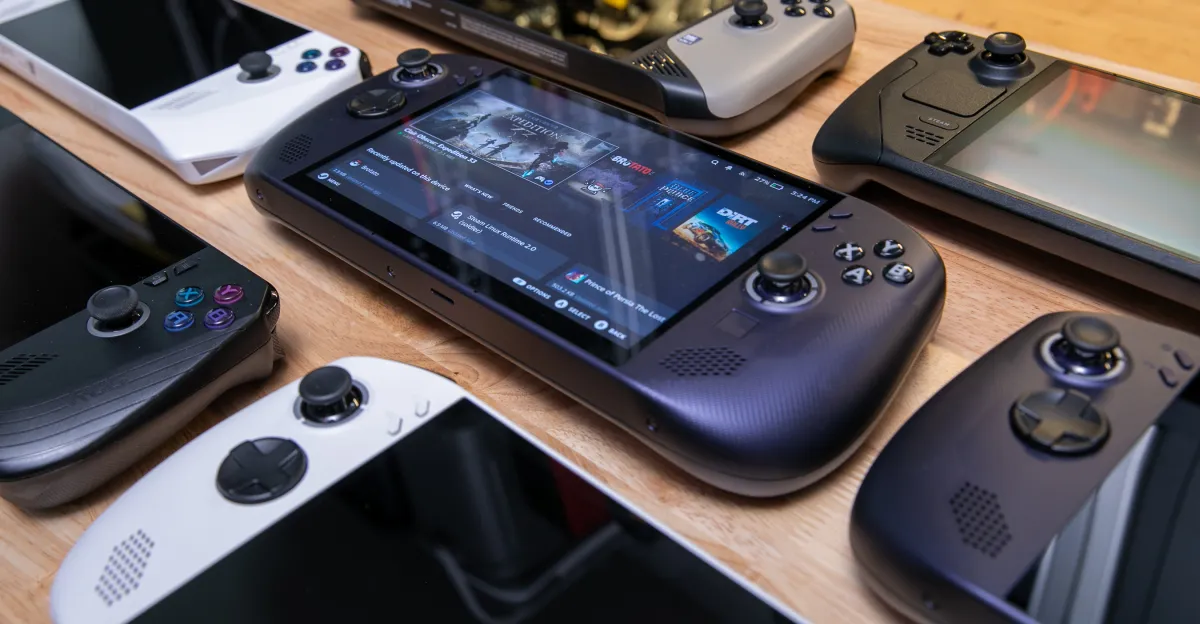
The Verge has released a comprehensive buying guide for handheld gaming PCs, warning that the current market environment presents significant challenges for consumers. The publication notes that prices for portable gaming devices are at an all-time high, driven by what it terms an "AI-fuelled" shortage of memory chips, alongside broader inflationary pressures and tariff fallout. The guide advises that while the market is difficult, buyers must navigate the "new normal" rather than simply waiting for prices to fall, which may not happen.
The article identifies a specific supply constraint dubbed "RAMageddon," attributing the price surge to unprecedented demand for memory chips linked to artificial intelligence infrastructure. This economic backdrop has forced a re-evaluation of value across the sector, with The Verge suggesting that refurbished and open-box units currently offer the most rational entry points for consumers.
For budget-conscious buyers, the guide highlights refurbished Valve Steam Deck LCD models, typically priced between $279 and $359, as the best value proposition. The Steam Deck OLED is also recommended as a refurbished option at $629, offering a meaningful upgrade over the LCD model for a fraction of the cost of new units. The Verge notes that Valve’s customer support and preloaded SteamOS make these devices reliable choices, despite lower battery life on the LCD model.
In the mid-range segment, open-box Asus ROG Ally Z1 Extreme units ($500-$550) and Lenovo Legion Go units ($600) are recommended for those willing to install Linux-based operating systems such as Bazzite. The guide suggests that Linux distributions can significantly improve stability, battery life, and sleep/resume functionality on Windows-based hardware, although compatibility with anti-cheat software in competitive multiplayer games remains a constraint.
The Xbox Ally X is now positioned as a strong contender under $1,000, with improved reliability and support compared to its initial launch. The MSI Claw 8 is also noted for strong performance in specific titles, despite some ergonomic and support drawbacks. Conversely, the guide explicitly advises against several higher-priced or lower-performance alternatives, including the Lenovo Legion Go S Z2 Go, Ayaneo handhelds, and the GPD Win Max 2, citing poor value, reliability concerns, or ergonomic issues.
The Verge concludes that while high-end devices like the Lenovo Legion Go 2 offer superior OLED screens, their premium pricing makes them difficult to justify for most consumers. The publication emphasizes that the market is currently defined by a trade-off between performance, price, and software stability, with Linux installation emerging as a key strategy for optimising the user experience on Windows-based hardware.
