The Technical Case for CRTs in Retro Gaming
Engadget analysis reveals fundamental disparities between CRT phosphors and modern flat-panel sample-and-hold technology that affect motion clarity, resolution handling, and artistic intent.
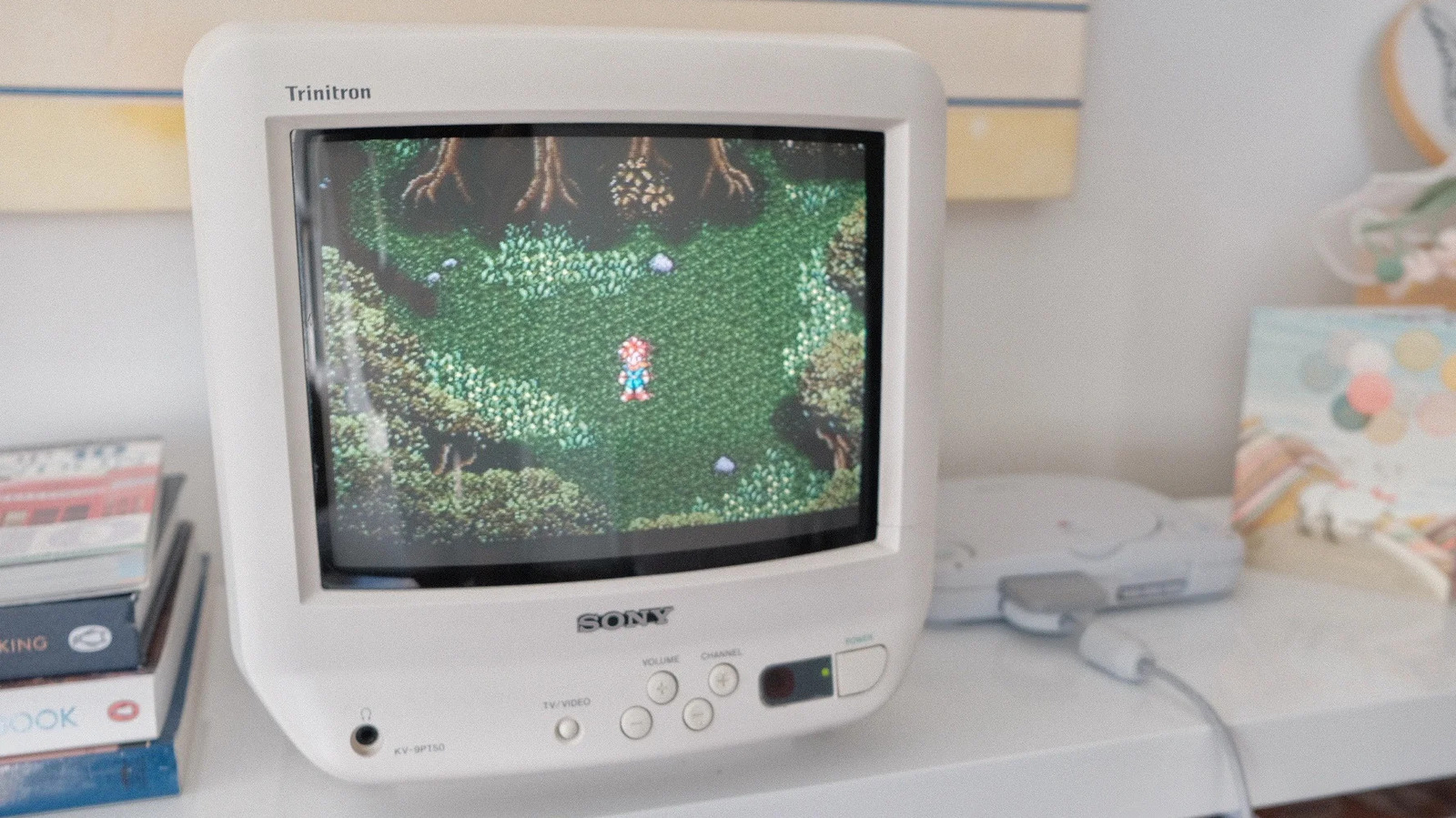
Retro video games from the 1980s to the early 2000s appear superior on cathode ray tube (CRT) displays due to fundamental technological differences with modern flat-panel screens. According to an analysis by Engadget, the mismatch between original hardware and contemporary televisions is not merely a product of nostalgia but a result of incompatible display mechanics. Games from this era were designed specifically for the dominant technology of their time, meaning they were not intended to be viewed on modern LCD or OLED panels.
The primary technical divergence lies in motion handling. CRTs utilise electron guns to draw horizontal scanlines, offering superior motion clarity compared to the sample-and-hold method employed by LCD and OLED screens. While modern high-refresh-rate panels have recently narrowed this gap, CRTs historically provided a smoother visual experience that masked the low and inconsistent frame rates of older consoles. This distinction is evident when revisiting titles such as The Legend of Zelda: Ocarina of Time, where CRT motion rendering made lower frame rates less noticeable to the human eye.
Resolution compatibility presents another significant factor. CRTs do not possess fixed native resolutions and can render various inputs without the smearing or deinterlacing artifacts common on modern high-definition displays. Prior to the PlayStation 3 and Xbox 360 era, the industry standardised around 240p and 480i standard definition resolutions. Modern screens often struggle with these signals, frequently misinterpreting 240p as 480i and applying deinterlacing software that introduces input lag and visual blurring.
Artistic techniques also suffered the transition to flat panels. Game art methods, such as dithering, were specifically designed to interact with CRT phosphors to create smooth colour gradients through visual noise. On modern LCD or OLED screens, these effects are lost or appear distorted. Square Enix notably removed dithering from the classic presentation mode of a recent Final Fantasy Tactics rerelease to accommodate modern displays, acknowledging that the original technique did not translate effectively to new technology.
While CRTs remain the optimal medium for authentic retro gaming experiences, Engadget notes that they are increasingly impractical for modern households due to their weight, noise, and maintenance risks. However, modern alternatives such as dedicated scalers and emulator filters provide convenient substitutes that can replicate the authentic CRT aesthetic with high fidelity, allowing players to enjoy the intended visual experience without the hardware limitations of the past.