The taint of nostalgia: why Guardian writers are abandoning their favourite shows
From The Office to House of Cards, a new feature reveals how shifting cultural standards and production changes have made once-beloved series difficult to rewatch.
A collection of The Guardian’s contributors has published a feature detailing the popular television series they can no longer stomach. Once described as gripping, sexy, hilarious or zeitgeisty, these shows have become part of a viewing history that feels tainted by changing cultural standards, personal scandals or production shifts. The article, published on 21 August 2026, offers a candid look at how nostalgia is increasingly complicated by the lens of the present day.
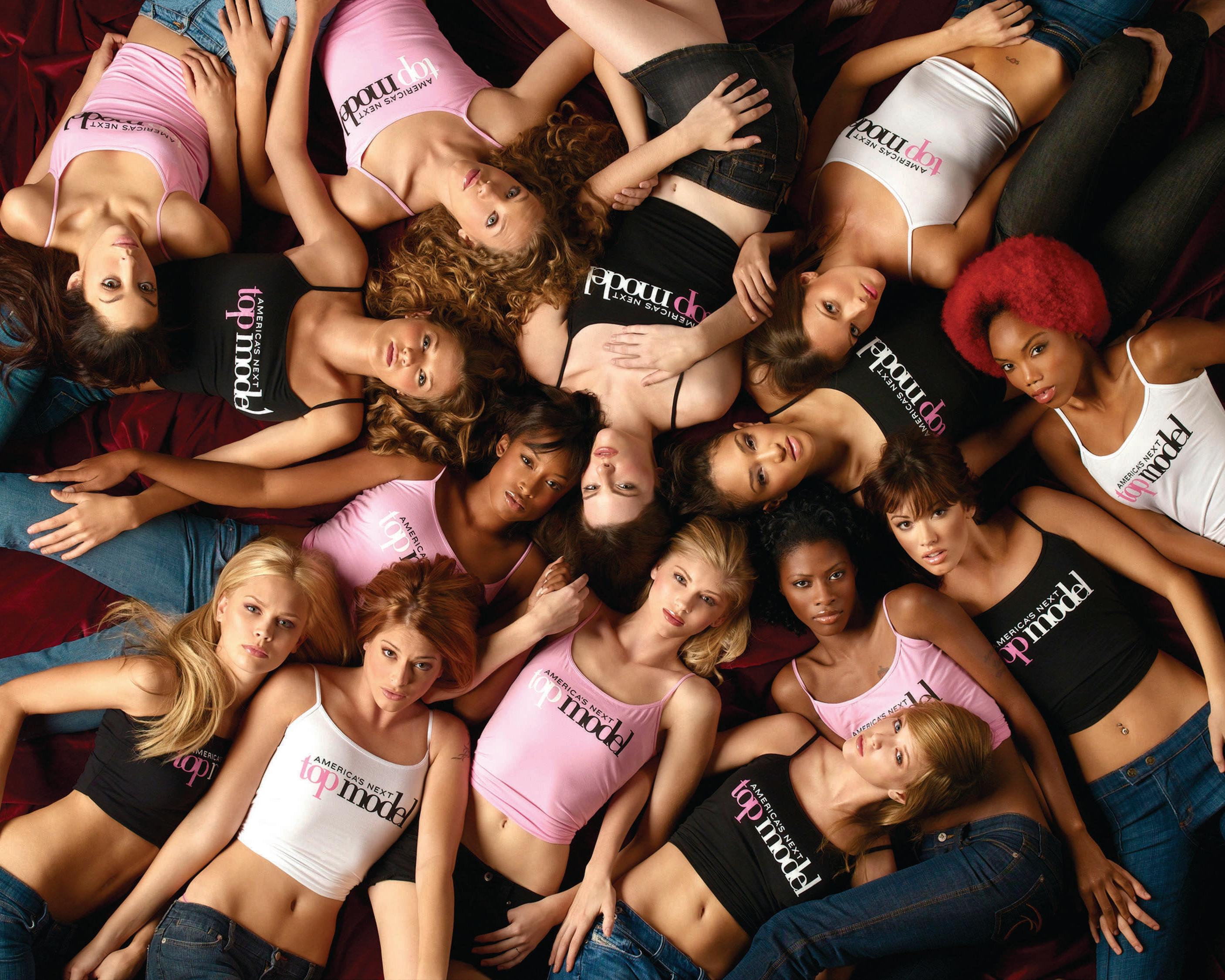
The shift in viewer sentiment is often triggered by new information or external events. For instance, the Netflix series Reality Check: Inside America’s Next Top Model prompted a re-evaluation of the original show, with one writer noting the abhorrent scenes of models collapsing with hunger. Similarly, a BBC Panorama investigation into Married at First Sight UK revealed allegations of rape and sexual assault, leading to questions about safeguarding failures in reality television.
Other titles have been impacted by allegations regarding their creators or cast. Good Omens, once a treasured adaptation of the work by Terry Pratchett and Neil Gaiman, has become difficult to watch for some following sexual assault allegations against co-creator Neil Gaiman, which he denies. House of Cards is cited as being unwatchable due to allegations regarding Kevin Spacey’s personal conduct, which complicate the unique thrill of moral suspension that defined the series.
Production changes have also soured the viewing experience for some audiences. The move of Bake Off from the BBC to Channel 4, and the subsequent departure of presenters Mel Giedroyc, Sue Perkins and Mary Berry, is described as a betrayal that made the show’s cutthroat affair incongruous with its image of wholesome Britain. Meanwhile, The Office is viewed through the lens of 2026 cultural standards, with its satire of turn-of-the-millennium Britain now highlighting the relentless sexist banter of the era.
The feature also highlights how specific moments can alter a show’s tone. One writer identified Nigel Farage’s appearance on I’m a Celebrity in 2023 as the moment the show shifted from inclusive teasing to political tolerance. Other titles such as Entourage, Euphoria and Coupling are described as having aged poorly, with critics pointing to toxic masculinity, male-gaze misogyny and vacuous characterisation of women.
As audiences revisit these series, the once-comforting familiarity of these shows is replaced by a more critical assessment. The Guardian’s contributors suggest that while some of these titles remain masterpieces of their time, the residual taint of their production context or cultural backdrop makes them difficult to enjoy in the current climate.