The Strategic Gamble Behind Nintendo GameCube’s Proprietary Disc Format
An analysis of how the GameCube’s bespoke optical media influenced hardware design, manufacturing economics, and market performance against the PlayStation 2 and Xbox.
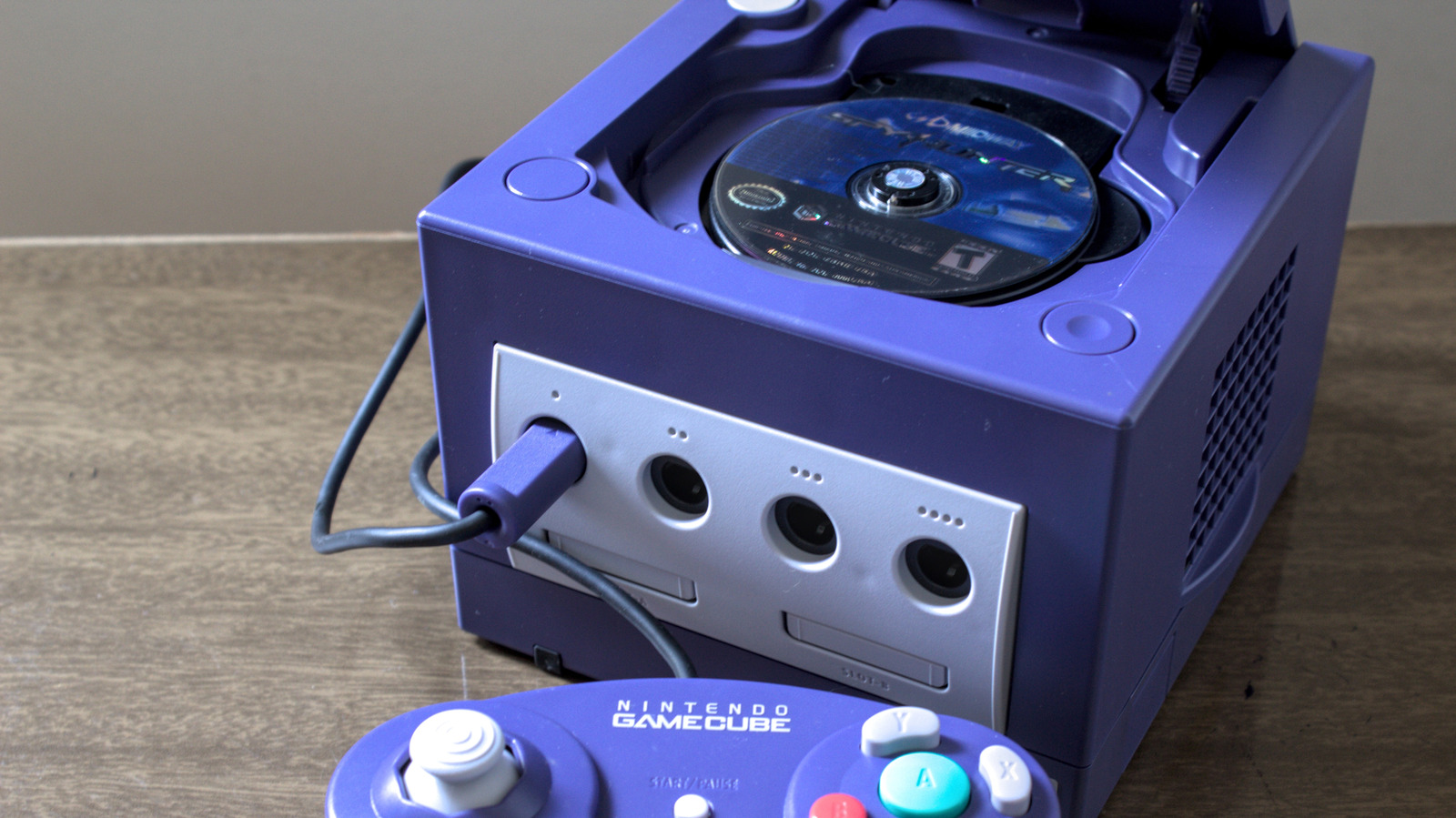
Nintendo’s decision to equip the GameCube with proprietary miniDVDs was a calculated engineering and financial strategy that distinguished the console from its sixth-generation rivals. Measuring 3.15 inches in diameter with a capacity of just under 1.5GB, the format was significantly smaller than the standard 4.17-inch DVDs utilised by the PlayStation 2 and Xbox. This divergence from industry standards was not merely aesthetic but served specific operational objectives regarding manufacturing, licensing, and security.
The compact disc size allowed Nintendo to design a smaller, lighter optical drive, resulting in a console that weighed 5.7 pounds compared to the Xbox’s 8.8 pounds. This reduced form factor facilitated a lower production cost, enabling the GameCube to launch in late 2001 at $200. This price point undercut both the PlayStation 2 and Xbox, which launched at $300, positioning the GameCube as an attractive option for budget-conscious consumers despite its limited multimedia capabilities.
From a financial perspective, the proprietary format enabled Nintendo to avoid paying DVD Forum licensing royalties, which would have cost $20 per console. This saving contributed to the device’s lower retail price. Additionally, the unique disc size acted as an effective anti-piracy measure in the early 2000s, as standard PC DVD burners of the era could not read the proprietary media. While emulation tools like the Dolphin emulator eventually emerged, the format initially hindered widespread piracy compared to competitors’ standard discs.
The technical constraints of the miniDVDs also influenced user experience and development. The read-only nature of the discs, combined with the lack of built-in storage, necessitated the use of separate memory cards for game saves. However, the smaller disc size allowed the console’s laser to travel a shorter distance, resulting in faster loading times than those experienced on the PlayStation 2. The limited capacity also required developers to be efficient, a challenge highlighted by complex titles such as The Legend of Zelda: The Wind Waker.
Despite these advantages, the format’s limitations likely impacted the console’s commercial performance. The inability to play standard DVDs meant the GameCube could not serve as an all-in-one home entertainment hub, a feature that drove significant sales for the PlayStation 2, which moved 160 million units. The Xbox sold 24 million units, while the GameCube reached 21.74 million. The lack of third-party support, including the absence of major franchises like Grand Theft Auto and mainline Final Fantasy titles, further compounded the format’s market disadvantages.