The Sound of Defiance: Saint Levant’s Pop Politics in the Shadow of Gaza
From the destruction of his childhood home to viral hits in Doha, Marwan Abdelhamid’s career illustrates the complex tension between cultural celebration and political vigilance in the Arab world.
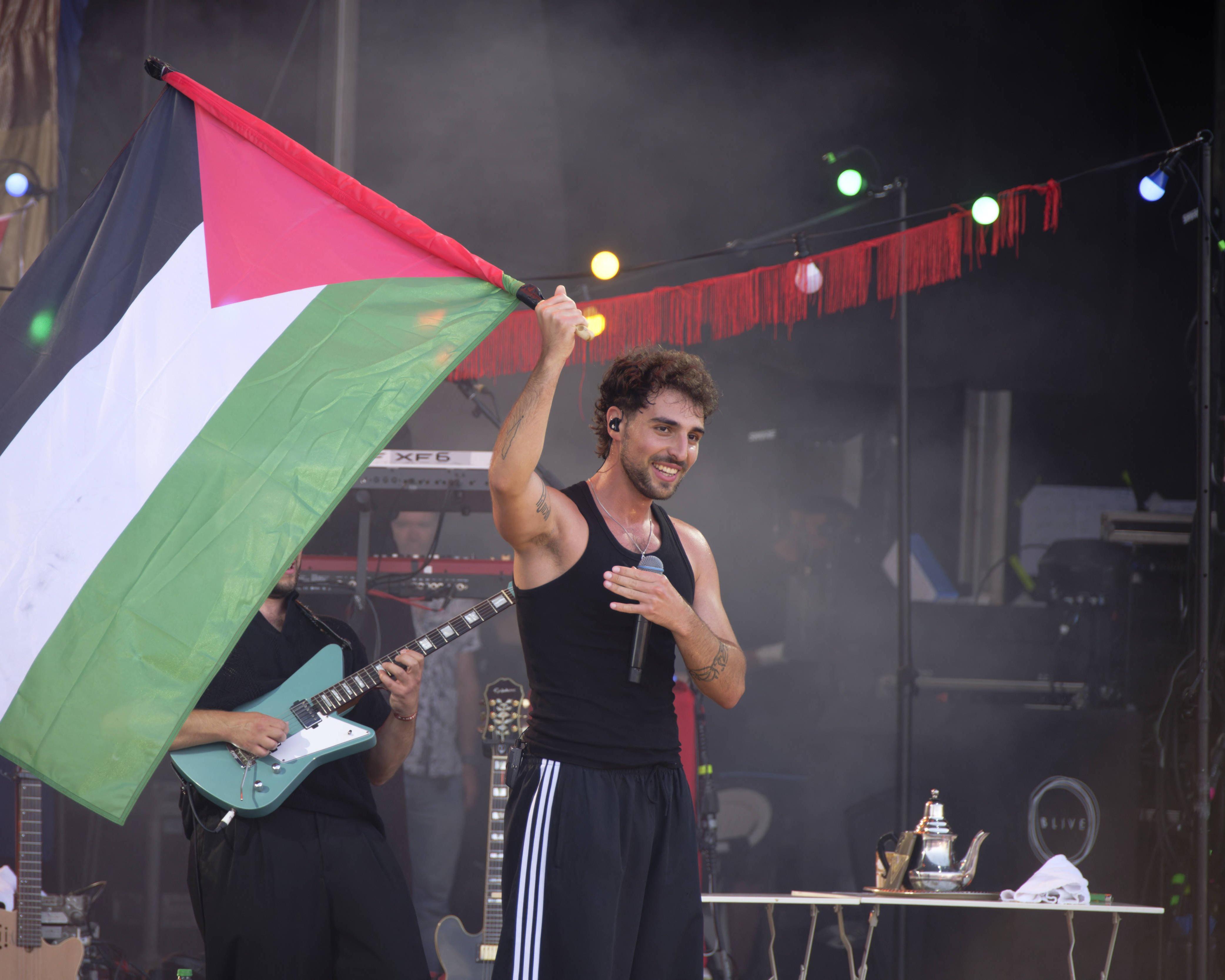
Palestinian pop artist Saint Levant, born Marwan Abdelhamid, has emerged as a defining cultural figure in the Middle East, yet his rise is inextricably linked to a fierce debate over the role of joy during conflict. While millions of fans view his music as a permission slip to celebrate their identity, detractors argue that producing pop content amidst the destruction in Gaza is a breach of cultural solemnity. This polarisation positions the 25-year-old artist at the centre of a broader conversation about how diaspora communities process trauma through entertainment.
The controversy is deeply personal, underscored by the destruction of the Al Deira hotel in Gaza in October 2024. Built by his father, Rashid Abdelhamid, the terracotta boutique hotel was where Saint Levant lived until the age of seven. The property, once a symbol of Palestinian statehood ambitions and a sanctuary during previous conflicts, was reduced to rubble by Israeli bombardment. For the artist, whose 2024 album *Deira* expresses a yearning for this lost home, the physical erasure of his childhood has intensified the scrutiny of his artistic output.
Saint Levant’s commercial breakthrough came with the 2022 hit *Very Few Friends*, which blended English and Arabic in a flirtatious, transgressive style that broke from the sober traditions of Arabic pop. His subsequent releases, including the album *Love Letters* and the track *Kalamantina*, have amassed 77 million YouTube streams. The latter, a danceable love song with Levantine folk influences, has become a staple at weddings from Gaza to New York, merging romantic themes with subtle nods to Palestinian heritage.
Despite his commercial success, the artist faces sharp criticism from prominent figures regarding the timing of his commercial ventures. Pulitzer Prize-winning writer Mosab Abu Toha publicly questioned Saint Levant’s commitment to the Palestinian cause following a collaboration on a limited-edition lip gloss launched during a period of high casualties in Gaza. Critics have described his aesthetic as a "tacky pastiche" of identity, suggesting a dissonance between his privileged diaspora experience and the starvation and displacement faced by those in Gaza.
Conversely, Saint Levant’s performances, such as his November 2024 concert at the Fashion Trust Arabia festival in Doha, demonstrate his ability to channel collective grief into communal celebration. During the event, his father appeared as a DJ, performing a snippet of the 2000 protest song *I Hate Israel* by Shaaban Abdel Rahim, before dancing with his son. The artist has consistently stated that joy is a right, framing his music not as a distraction from the war, but as a rejection of the dehumanisation of Arab culture.
His political stance has been evident since his early university years, where he posted TikTok explainers on Palestinian history. In November 2023, during a GQ France awards acceptance speech, he defied cautions to remain silent, stating he could not ignore the killing of Palestinian children. This blend of commercial pop sensibility and unapologetic political advocacy has created a unique space for young Arabs to express their identity in regions where public protest is often suppressed.
Saint Levant’s narrative reflects the atomisation of the 15 million Palestinians living in exile, half of whom reside outside Palestine. By merging western pop structures with traditional Arab elements, he has provided a "superpower" for the diaspora, offering a language for those navigating life in Western societies while maintaining a tether to their heritage. Whether viewed as a symbol of resilience or a commercial opportunist, his work forces a reckoning with how culture survives when its physical home is under threat.