The Solo Operator Behind 12 Million Followers: How @Muslim Navigates Censorship and Conflict
From a Rutgers University student project to a global news hub, the platform’s growth has been halted by government legal orders, highlighting the vulnerabilities of independent digital journalism.
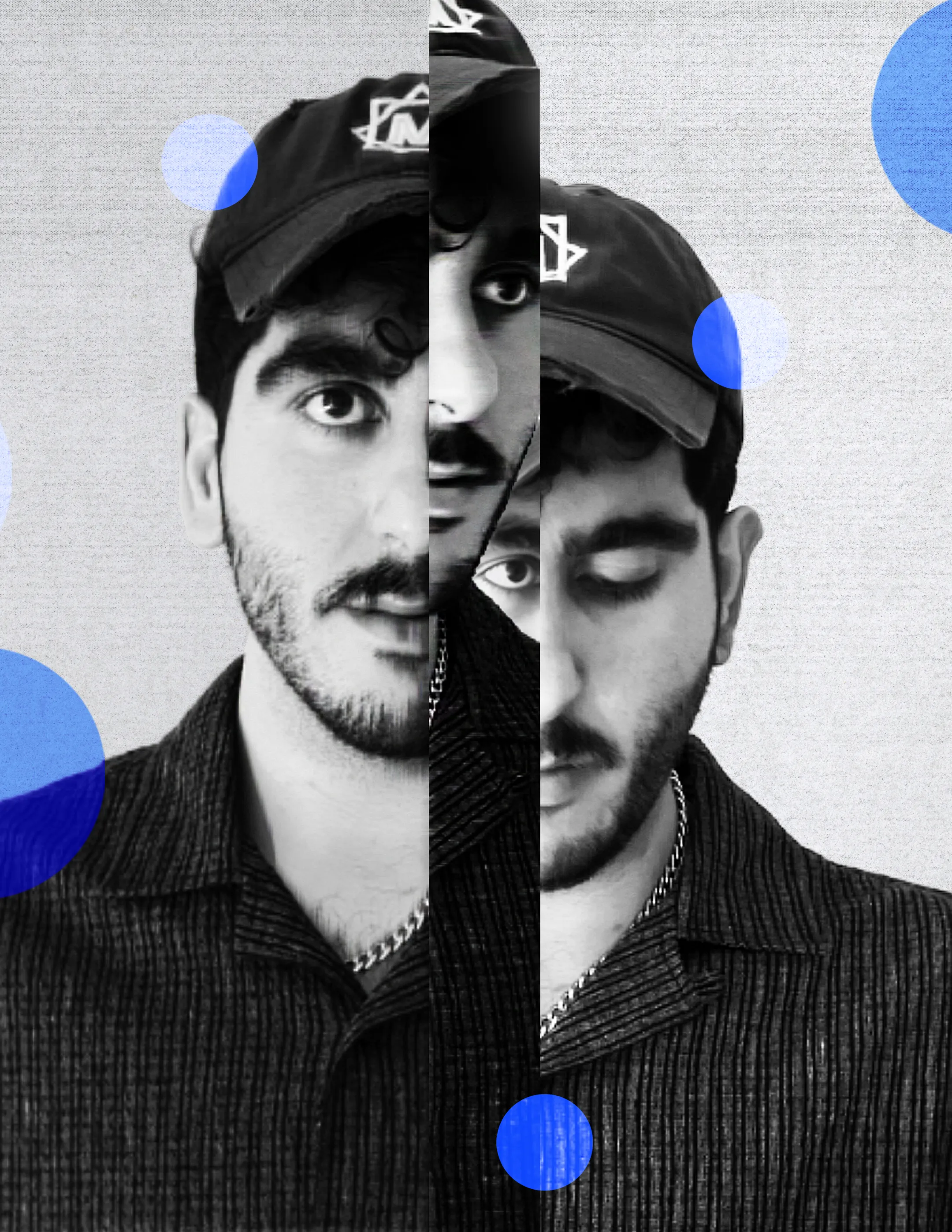
Ameer Al-Khatahtbeh, a 27-year-old Palestinian journalist and student at Rutgers University, operates @Muslim, a social media account that has amassed over 12 million followers across platforms, including 6.7 million on Instagram. Launched in February 2019 to address the impact of the US Muslim ban on campus, the platform experienced significant traction during the 2020 pandemic lockdowns and expanded rapidly following the October 7 events. Al-Khatahtbeh curates content for traditional Muslims, cultural Muslims, and non-Muslims, dedicating approximately 13 hours daily to screen time to ensure real-time coverage of conflicts in Palestine, Sudan, Lebanon, and Syria.
The operational model of @Muslim is largely a solo effort, with Al-Khatahtbeh managing most publishing tasks himself. He is supported by one full-time collaborator, Tuba, who handles TikTok, while other functions are managed through a network of contractors rather than a traditional full-time staff. This scrappy structure allows for agility but places immense pressure on the editor-in-chief, who describes the workload as necessary to maintain the trust of an audience that relies on the platform for news often absent from mainstream media.
Content strategy has shifted significantly since the account’s inception. Initially focused on light-hearted, Gen Z-centric memes and cultural commentary, the platform pivoted to serious conflict reporting after October 7. Al-Khatahtbeh paused commercial collaborations, such as a planned series with the YouTube channel Cut, to prioritise urgent news coverage. This strategic shift contributed to the account’s Instagram following more than doubling from 2 million to nearly 7 million in the period following the escalation of conflicts in the region.
International censorship has recently impacted the platform’s growth trajectory. In May 2025, the account was restricted in India via a government legal order under Section 69A of the Information Technology Act 2000. Al-Khatahtbeh reported that this restriction halted follower growth, causing the Instagram count to plateau at 6.7 million, whereas it had been approaching 7 million prior to the ban. Meta confirmed the restriction was due to an emergency order but cited confidentiality regarding the issuing authority, providing no appeal process for the Indian restriction.
The account also faces restrictions in Canada, although an appeal process is available in that jurisdiction. Al-Khatahtbeh highlighted the disparity in legal recourse between the two countries, noting that the lack of transparency in India leaves him unable to communicate with or resolve the issue with his 330 million potential Indian followers. These restrictions represent a significant challenge for the platform, which serves as a critical information source for a global Muslim audience.
