The Sentient Page: How Angela O’Keeffe’s ‘Phantom Days’ Rewrites the It-Narrative
Angela O’Keeffe’s latest work, published by University of Queensland Press, blends the tradition of object-centric storytelling with a deeply human narrative about Isabel, Lewis, and the power of observation.
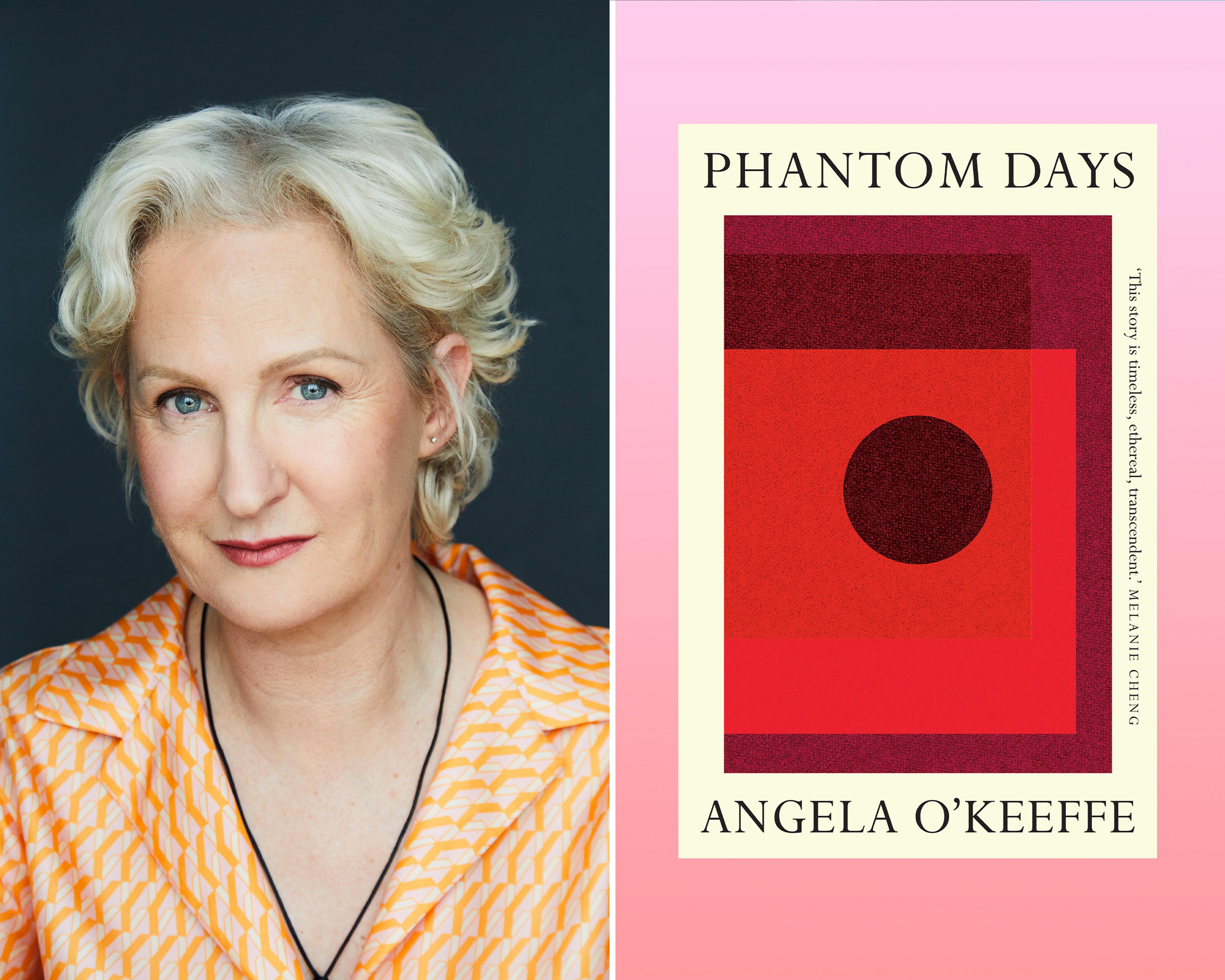
The Guardian has published a review of Angela O’Keeffe’s third novel, Phantom Days, describing the work as a rich, lyrical story that utilises an unconventional narrator to explore human creativity, connection, and longing. The novel centres on Isabel, a woman in her mid-30s who is childless, single, and has worked in the arts for a decade, and her complex relationship with a book she purchases in Sydney before travelling to London.
Following the literary tradition of “it-narratives,” which follow the fortunes of an inanimate object, the story unfolds partly through the perspective of “Book,” a seemingly sentient volume Isabel bought from its author at a book signing. The narrative alternates between Isabel’s internal monologue and the book’s own voice, which possesses a distinct cosmology and origin story, creating an intimate dynamic between reader and object.
Isabel travels to London with her new boyfriend, Lewis, a man she barely knows but feels a strange pull toward. Their relationship struggles to bond, marked by silence, bickering, and a mutual avoidance of eye contact. As they navigate their time together, they remain under the constant observation of Book, raising questions about whether the object is a friend, a protector, or something else entirely.
The review notes that while the novel lacks subtlety in some practical elements—such as how the book perceives the world without eyes—and hints at a bigger secret that may come across as melodramatic, O’Keeffe’s characterisation remains charming. The prose is described as lyrical and intensely physical, mapping out colours, sounds, and movements in a way that creates a marvellous realm where inanimate objects become sentient.
Themes of relationality and the layering of lives are central to the narrative, with O’Keeffe writing that “no life is entirely its own.” The novel is currently available in Australia through University of Queensland Press for $29.99, continuing the author’s trajectory following her previous works, Night Blue and The Sitter.