The Odyssey’s modern revival: How to navigate Homer’s epic in the Nolan era
Christopher Nolan’s latest film adaptation has reignited global interest in Homer’s ancient Greek epic. The Guardian’s latest cultural guide offers a strategic roadmap for readers, blending academic insight with practical tools to decode the text’s complex narrative and oral traditions.
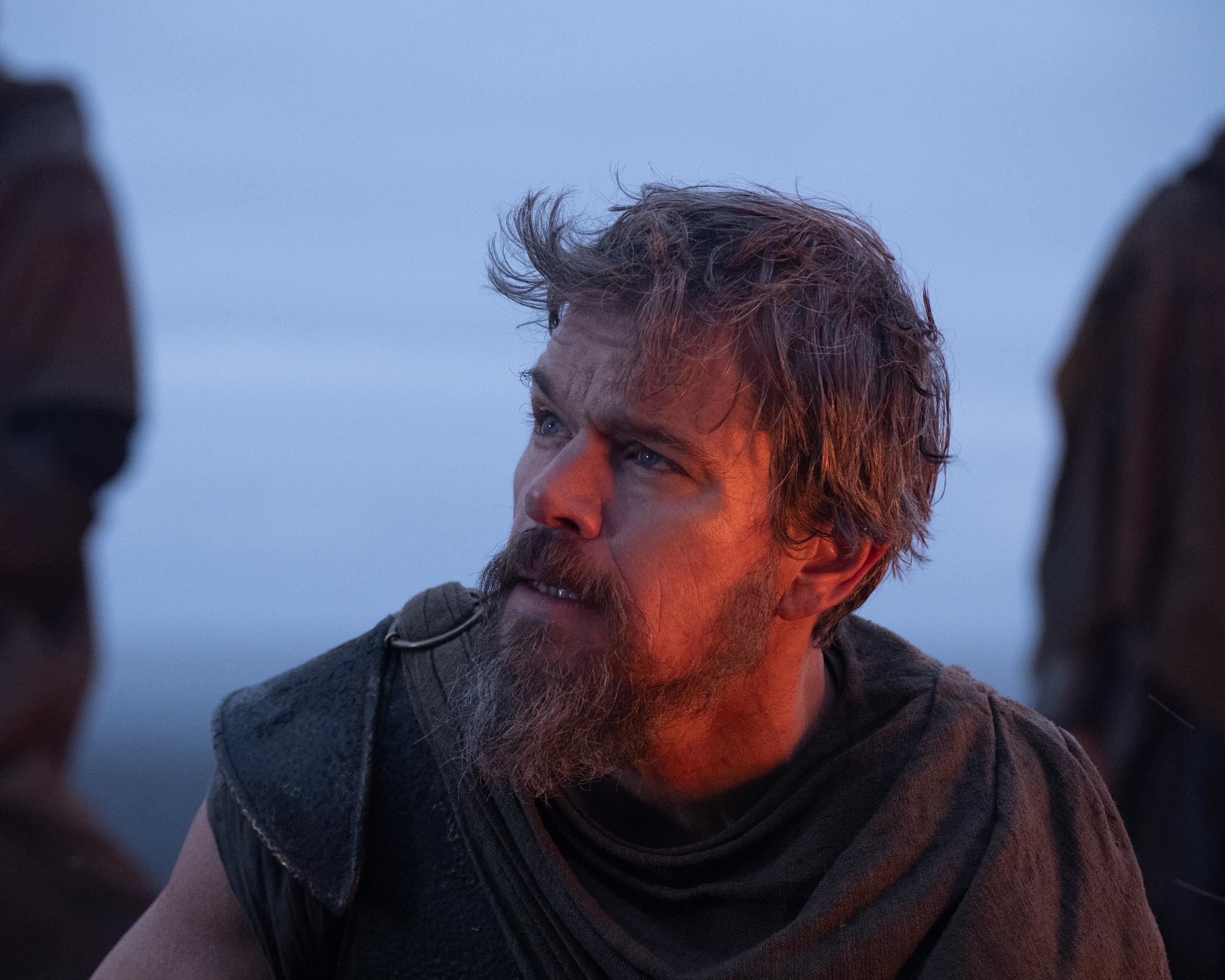
The recent release of Christopher Nolan’s film adaptation of The Odyssey has sparked a renewed appetite for Homer’s ancient Greek epic, prompting The Guardian to publish a comprehensive guide for new readers. The article, titled A voyage of discovery: an idiot’s guide to reading The Odyssey and published on 16 July 2026, outlines a multi-modal approach to engaging with the text, moving beyond traditional solitary reading to embrace context, audio, and modern translations.
The guide suggests that readers begin by avoiding the text itself in favour of contextualisation. Antony Makrinos, associate professor in classics at UCL, advises familiarising oneself with the Mycenaean civilisation and ancient Greek themes before diving into the narrative. This preparation can be achieved through visits to institutions like the British Museum, watching documentaries such as Simon Armitage’s Gods and Monsters, or listening to the Instant Classics podcast presented by Mary Beard and Charlotte Higgins.
Selecting the appropriate translation is deemed vital for accessibility. While Rebecca Laemmle, professor of Greek Literature at The University of Cambridge, recommends Daniel Mendelsohn’s version, Makrinos, Beard, and Higgins advocate for Emily Wilson’s Norton Critical Edition. Wilson’s translation utilises iambic pentameter rather than the original dactylic hexameter, creating a driving rhythm that feels more inviting to anglophone readers, while its detailed footnotes and maps help situate the story for those unfamiliar with the complex cast of characters.
To manage the large number of heroes and villains, the guide recommends mapping character relationships on paper. For those who find the text’s repetitive oral formulae off-putting, the article suggests embracing the work’s origins as chanted poetry. Listening to audiobooks, such as Ian McKellen’s recitation of the Robert Fagles translation, is presented as an effective way to engage with the oral tradition and bring the narrative to life.
The article concludes by noting that finishing the epic is not the end of the journey. Readers are encouraged to explore related modern works such as Margaret Atwood’s The Penelopiad and Madeline Miller’s Circe, or the poetry of Derek Walcott and Michael Longley. The guide also includes a humorous warning to avoid AI-generated content featuring Michael Caine, ensuring the reader’s experience remains authentic.