The negligible fuel cost of charging smartphones in vehicles
While technically drawing power from the engine, a phone charger consumes only 5-15 watts, reducing average fuel efficiency by approximately 0.03 miles per gallon.
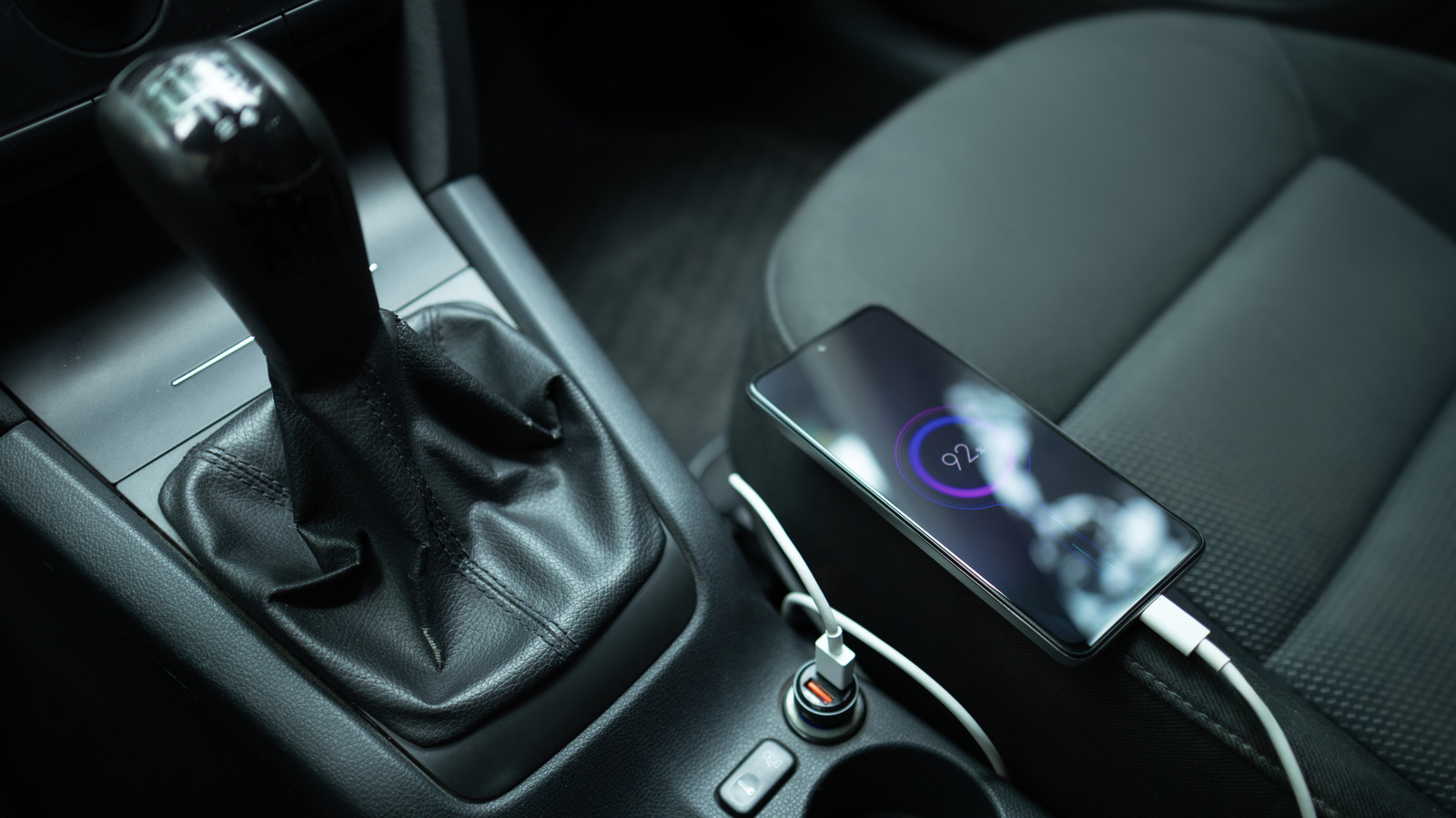
Charging a smartphone within a vehicle consumes a negligible amount of fuel, with analysis indicating a reduction in average fuel efficiency of approximately 0.03 miles per gallon. The electrical load required to power a device is drawn from the engine via the alternator, with typical usage estimated at between 5 and 15 watts. This consumption is insignificant when compared to other vehicle systems, such as air conditioning, which can increase fuel consumption by up to 10 per cent.
According to reports cited by Engadget, the impact on mileage is effectively unnoticeable in practical terms. If a vehicle achieves roughly 20 miles per gallon, a constantly active phone charger would reduce that figure to 19.97 miles per gallon. This miniscule variance is unlikely to adversely affect a journey or represent a meaningful financial burden, even in an environment of elevated fuel costs.
The mechanics of this energy draw involve the vehicle's alternator, which pulls power from the engine to supply electricity to onboard systems. While almost every component in a car consumes fuel to varying degrees to generate electricity, the power required for a phone charger is dwarfed by other systems. For instance, indicators and air conditioning units draw substantially more electricity than a standard mobile device charger.
Concerns regarding battery drain are also largely unfounded while the engine is running. When the vehicle is in motion, the alternator supplies power to the 12V battery, preventing the vehicle's battery from draining flat. The electrical load added by charging a phone is small enough that it does not pose a risk to the battery's health or availability during normal operation.
However, the situation changes when the engine is switched off. In this scenario, charging a phone draws directly from the 12V battery. While it is unlikely to cause a flat battery, it is not impossible, particularly if the vehicle has been stationary for an extended period or if the battery is aged. Motorists are advised to avoid charging devices with the engine off if the battery is old or the car has not been driven recently.
For hybrid and electric vehicle owners, who may be more sensitive to range impacts, the effect remains minimal. While every watt counts in electric propulsion, the 5-15 watt draw of a phone charger is too small to meaningfully deplete range. The primary focus for efficiency should remain on larger energy consumers such as climate control systems.
Ultimately, while charging a phone technically consumes fuel, the amount is so small that it should not be a source of concern for drivers. The impact on both fuel economy and battery life is negligible under normal circumstances, allowing motorists to charge devices without fear of significantly affecting their vehicle's performance or efficiency.
