The mullet returns: Denmark’s 2026 championship celebrates ‘ugly in a beautiful way’
As fashion trends follow a circular motion, Copenhagen’s raucous Mullet Championship draws over 1,000 spectators to honour history’s most divisive hairstyle.
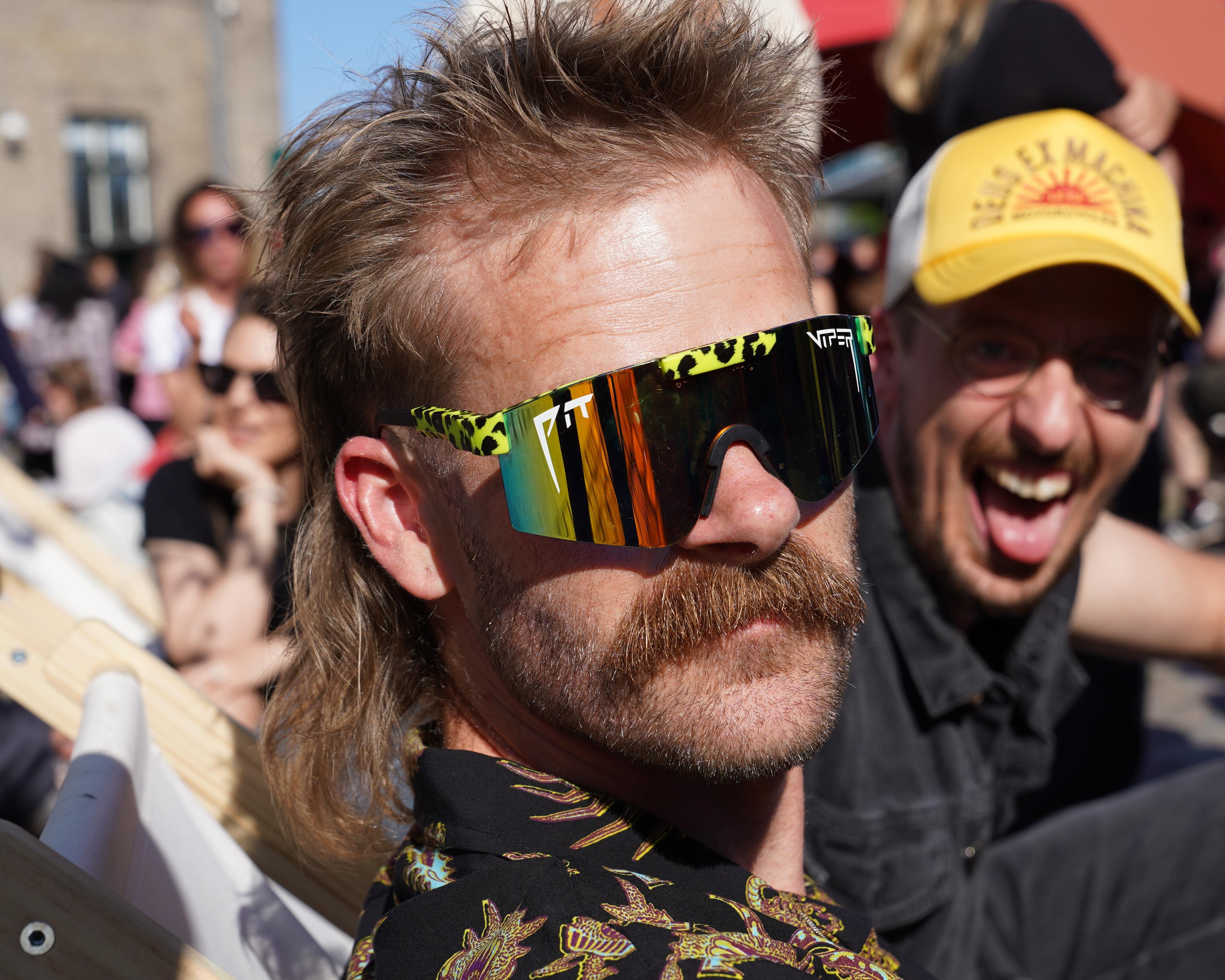
Denmark’s 2026 Mullet Championship unfolded on an outdoor stage in central Copenhagen, drawing more than 1,000 spectators and 12 competitors to celebrate the short-in-front, long-in-back coiffure. Organised by 37-year-old electrician Steffen Stiw Weber, the event was born from his personal decision to grow a mullet following a hair transplant. Weber noted that the competition offers a necessary counterpoint to a culture obsessed with social media perfection, allowing participants to stand out from the crowd.
Competitors were judged on style, uniqueness, overall performance, and specific “mullet moves,” with each given 60 seconds to showcase their look. The stage featured exuberant displays ranging from beer swilling to body popping, while one entrant styled their hair to resemble the Danish flag. Judge Bobby Agren, who owns two hair salons in Copenhagen, appreciated the aesthetic’s “finesse, the twist, the nostalgia,” noting he favoured styles that looked “ridiculous or maybe ugly in a beautiful way.”
Construction worker Thomas Berg, 43, secured the top prize after performing on a trampoline while wearing neon green gym wear and an orange headband. Berg described the event as “just funny” and “a big party,” adding that it was “nice to be a bit outside the box.” The victory highlighted the event’s blend of high-energy performance and lighthearted celebration, with the crowd chanting and screaming throughout the proceedings.
The mullet’s journey through fashion history is well documented, with the Oxford English Dictionary crediting the Beastie Boys for popularising the term with their 1994 song *Mullet Head*. Once favoured by ice hockey players and 1980s musicians before falling out of favour, the style was described by Vogue as “history’s most divisive hairstyle.” However, it has experienced a global resurgence, with British magazine i-D declaring 2020 “the year of the mullet” as lockdown-weary citizens let their hair grow.
Similar competitions are now staged internationally, including the European Mullet Cup held in Belgium last month. Agren observed that fashion trends follow a “circular motion,” returning every 20 to 30 years. The Copenhagen event underscores this cyclical nature, proving that the mullet remains a potent symbol of individuality and cultural playfulness in contemporary style.