The magnificent, the magical, the marvellous: Inside The Guardian’s guide to TV’s happiest endings
A panel of writers including Hollie Richardson and Lucy Mangan analyse the narrative choices that turned sitcoms, dramas, and crime thrillers into enduring cultural touchstones
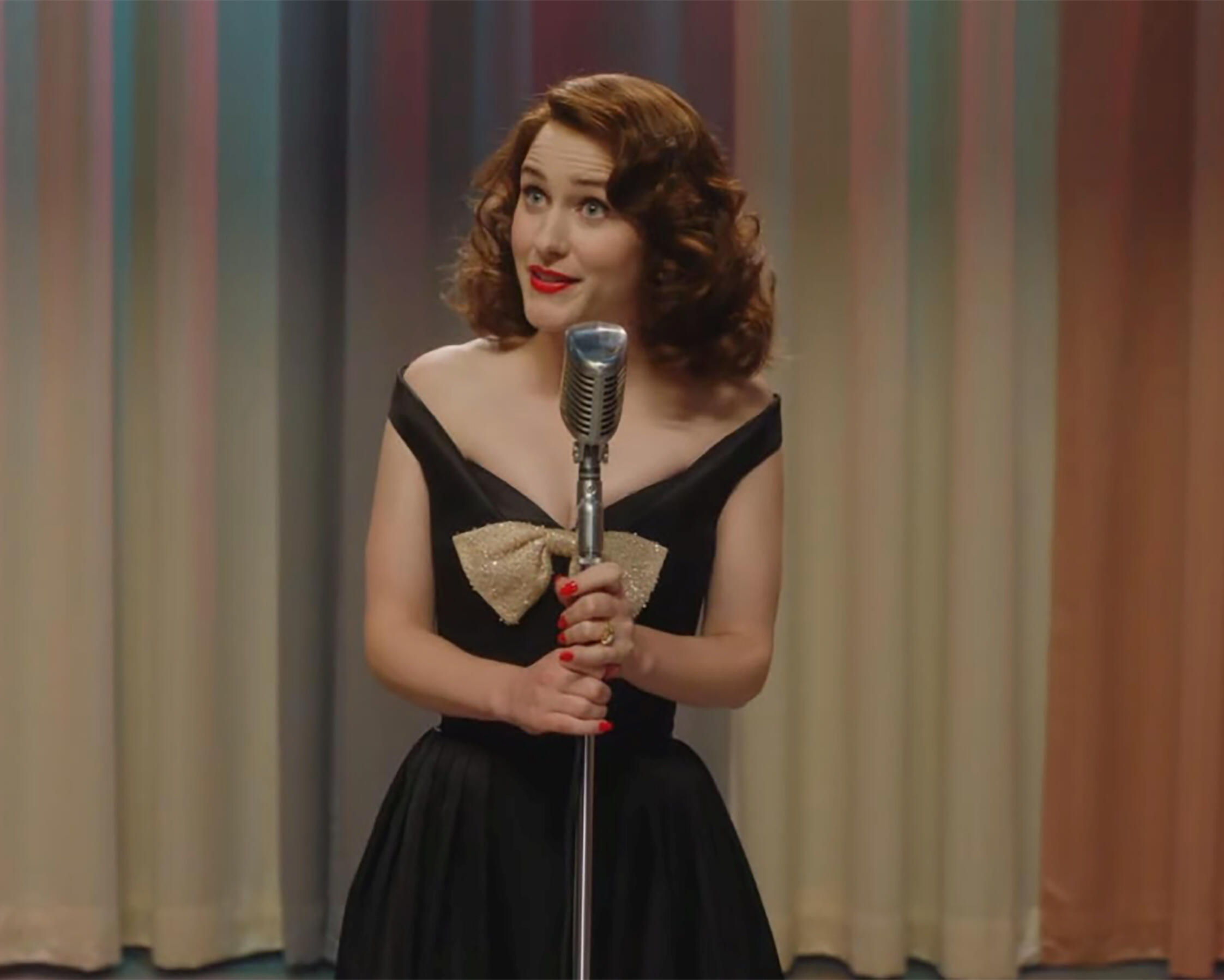
The Guardian published an opinion piece on 22 July 2026 titled ‘The magnificent, the magical, the marvellous!’ It’s TV’s happiest endings. Authored by a panel of critics including Hollie Richardson and Lucy Mangan, the article examines what the contributors regard as the most heartwarming and satisfying conclusions in television history. The analysis spans a diverse range of genres, including sitcoms, dramas, crime thrillers, and historical comedies.
The piece highlights specific narrative choices in the finales of series such as The Marvelous Mrs Maisel, 30 Rock, Detectorists, Derry Girls, Hacks, Only Fools and Horses, Brooklyn Nine-Nine, Sex and the City, Parks and Recreation, Ray, Dark, and Gavin & Stacey. Contributors note that these endings often subvert traditional sitcom structures or provide emotional closure that resonates beyond the screen.
For The Marvelous Mrs Maisel, Richardson points to Midge’s standup breakthrough on a late-night show, where she declares, “I want a big life.” The article describes the moment as a gut-punch of joy, particularly when Midge looks to her manager Susie Myers, who watches with a tear in her eye. The finale jumps decades later, showing the pair joking over the phone while watching Jeopardy.
In contrast, Lucy Mangan praises the 30 Rock finale for allowing protagonist Liz Lemon to balance work and family without ending the show’s momentum. The article notes the meta-narrative of bringing the show-within-a-show back for one last episode, allowing for closure on all storylines, including a heartfelt speech from Jack Donaghy. Similarly, Phil Harrison describes the Detectorists conclusion as gently audacious, focusing on the continuity of friendship and modest happiness rather than dramatic change.
The Guardian’s analysis also covers historical and dramatic shifts. Kate Abbott highlights Derry Girls’ finale, where the characters vote on the Good Friday Agreement, transforming a comedy into a poignant piece of historical analysis. Hannah J Davies argues that Hacks, despite a morbid plot twist involving a terminal diagnosis, delivers a happy ending through Deborah Vance’s decision to live and write another special, quoting her line: “I may not have 30 years – but I think I have another hour.”
Other entries include Only Fools and Horses, where the 2003 special is deemed more uplifting than the 1996 finale, and Brooklyn Nine-Nine, which ends with a quiet moment in the precinct lift followed by a promise of an annual heist. The article also cites Sex and the City’s choice to stay in New York, Parks and Recreation’s time-jump epilogue, Ray’s fourth-wall break, Dark’s emotional closure, and Gavin & Stacey’s wedding at Southampton docks.
The piece serves as a retrospective on how television finales can achieve cultural significance through emotional truth rather than logical explanation. By curating these specific moments, The Guardian’s critics underscore the power of television to provide comfort, joy, and a sense of completion to its audiences.