The Late Show ends: Colbert’s final broadcast marks close of an 11-year tenure
Despite nine consecutive years as the highest-rated late-night programme, financial and political pressures precipitate the end of Stephen Colbert’s era, with a retrospective highlighting his most significant cultural and political moments.
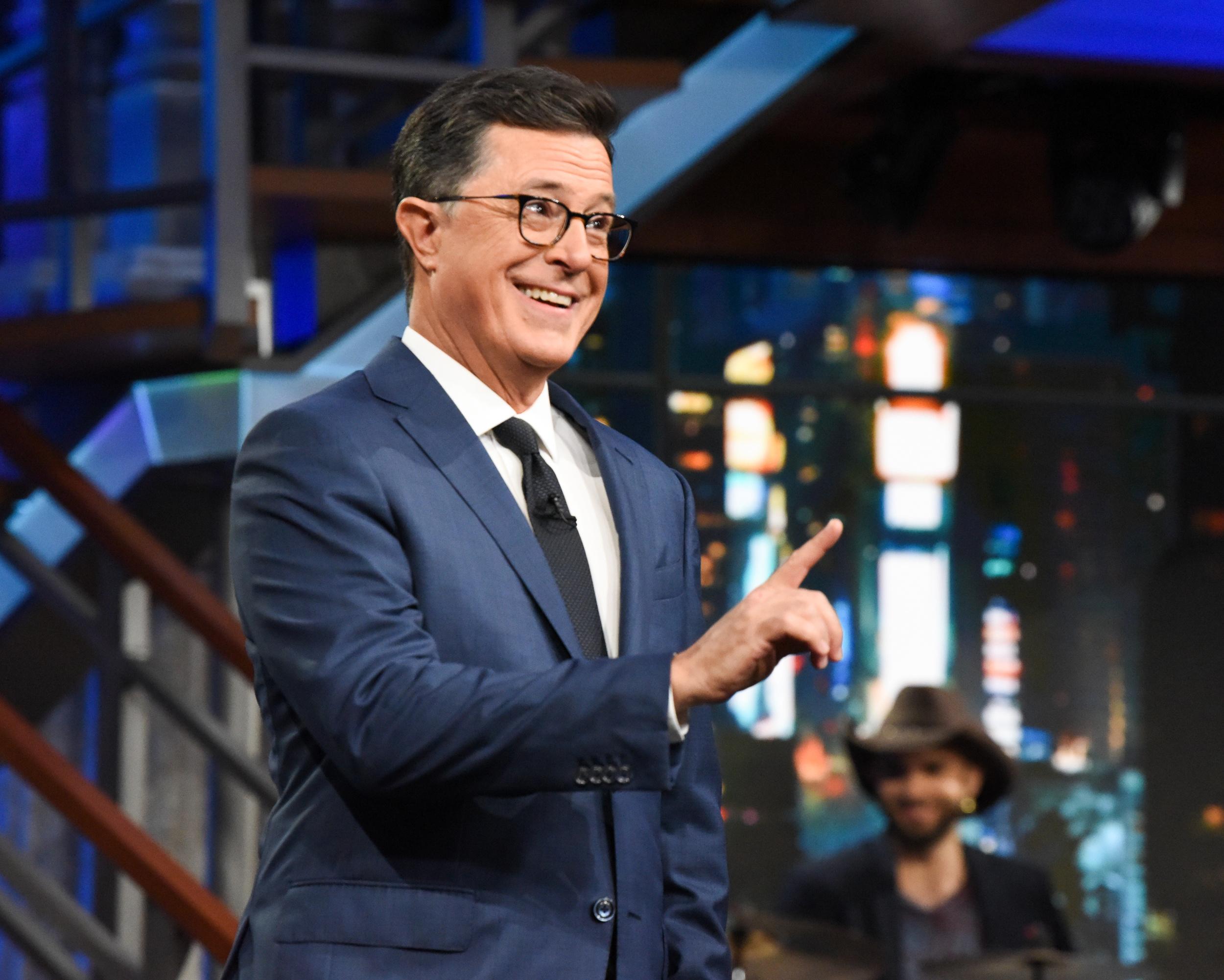
CBS will broadcast the final episode of The Late Show With Stephen Colbert on 21 May 2026, concluding an 11-year run that began after David Letterman retired from the post he held for 22 years. The cancellation was announced in July 2025, with network executives citing financial reasons despite the programme maintaining the highest ratings in late-night television for nine years. The decision is widely interpreted as a political gesture towards Donald Trump, occurring ahead of an $8bn merger between Paramount and Skydance.
The farewell broadcast will feature a retrospective of Colbert’s most notable segments, including political satire and cultural commentary. According to The Guardian Culture, which published a retrospective titled From Lord of the Rings to Dua Lipa: Stephen Colbert’s 10 greatest Late Show moments on the day of the final episode, the show’s legacy is defined by its blend of sharp political critique and human connection.
Colbert’s tenure was marked by ambitious political coverage, such as his 2016 convention reporting featuring his pet ferret Caligula. His persona, heavily influenced by his time on The Daily Show, often clashed with right-wing media figures. This was evident in his satirical portrayal of Alex Jones as Tuck Buckford and his eulogy for Bill O’Reilly, where he revived his former conservative alter ego for a final performance.
The show also navigated significant controversy, particularly regarding its commentary on Donald Trump. During the Day 102 of Trump’s first term, Colbert made a censored remark about Vladimir Putin that led to the hashtag #FireColbert trending on social media. Although the network bleeped the comment, Colbert was eventually cleared by the FCC of violating standards, a moment that underscored the show’s willingness to challenge political figures.
Beyond politics, the programme highlighted intimate conversations and cultural milestones. A 2020 interview with Joe Biden during the pandemic saw both men discuss personal grief, contrasting Biden’s empathy with Trump’s conduct. Other memorable moments included a spiritual discussion with Dua Lipa about faith and comedy, and a reunion of the Strike Force Five podcast with peers such as Jimmy Fallon, Jimmy Kimmel, John Oliver, and Seth Meyers.
The final episode also featured appearances by industry colleagues, including Conan O’Brien, who swapped desks with Colbert in 2019, and David Letterman, who joined Colbert to destroy CBS property in a nod to his own tenure. Letterman signed off by misquoting Edward Murrow, wishing the network goodnight and good luck with a profane addition.
As Colbert prepares to co-write the next Lord of the Rings film, The Lord of the Rings: Shadow of the Past, his departure marks the end of a distinctive era in network television. The Late Show’s conclusion, driven by corporate restructuring and political pressures, leaves behind a record of high ratings and significant cultural engagement.