The Land of 1000 Dances: Rediscovering Joy in Melbourne’s Inaugural Dance Biennale
Melbourne’s Rising festival consolidates its dance programming into a new biennale, offering classes that bridge the gap between technical precision and uninhibited communal expression.
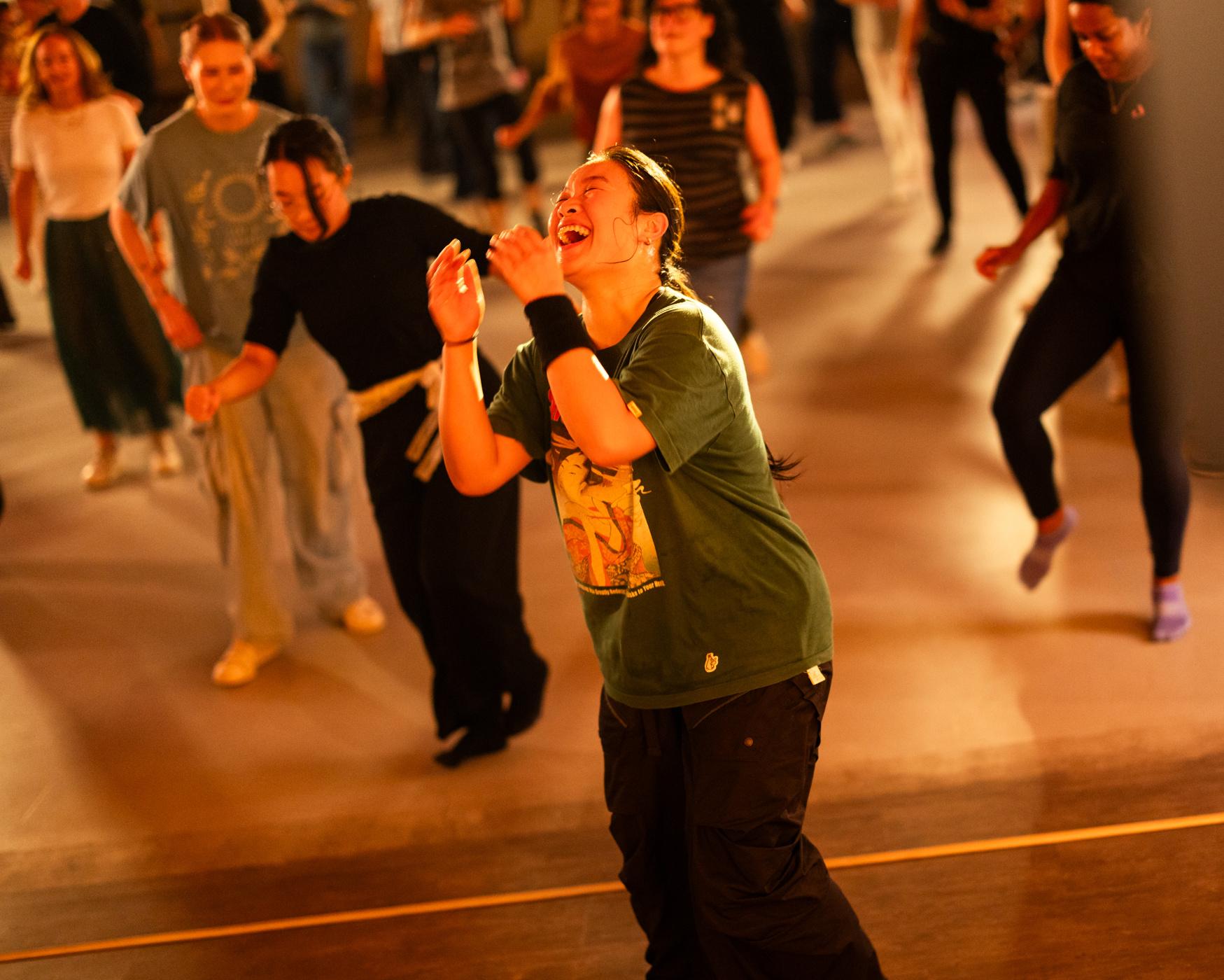
Melbourne’s Rising festival has consolidated its longstanding dance focus into the inaugural Australian Dance Biennale, transforming the event into a dedicated mini-festival showcasing both Australian and international work. The centrepiece of this expansion is The Land of 1000 Dances, a series of daily classes held at the romantically decrepit Flinders Street Ballroom until 7 June. Priced at $29 per session, the programme invites participants to step away from spectatorship and engage directly with the physicality of movement.
The curriculum offers a diverse array of styles, ranging from Cuban salsa and ballroom to voguing, waltz, and K-pop for teens and tweens. Also featured are the Melbourne shuffle, a high-energy offshoot of breakdance that originated in the city during the late 1980s and 1990s, and Afro-fusion classes drawing on the Congolese Ndombolo style with elements from South Africa and Ghana. The event forms a key component of Melbourne’s winter arts offering, aiming to help adults rediscover the uninhibited joy of dancing often lost to social conditioning.
A Guardian Culture reporter recently tested the accessibility of the programme by attending four classes over a weekend, documenting the journey from initial intimidation to physical exertion. Dressed in heavy jeans and boots for the first Cuban salsa session, the reporter noted a distinct lack of preparation, observing that most attendees arrived with friends and in casual attire rather than dance-specific clothing. The class environment was characterised by a sense of camaraderie, with instructors encouraging partner changes every three minutes and fostering a supportive atmosphere despite the participants' varying levels of skill.
The experience highlighted the physical demands of the art form, with moves such as the 360-degree rotation in salsa causing moments of despair before giving way to a sense of personal triumph. Subsequent classes, including the high-BPM Melbourne shuffle and the Afro-fusion session led by instructors Octaves and Dorcas from Melbourne Afro Dance, revealed the physiological response of dancing to the untrained body. The reporter described the post-class sensation as a surge of endorphins, noting that the focus shifted from technical perfection to the enjoyment of the music and the collective energy of the room.
Beyond the adult classes, the Biennale also emphasised cultural transmission and intergenerational participation. Earlier in the day, the Djirri Djirri Wurundjeri Dance collective taught cultural dances to children, whose fearless and eager participation stood in contrast to the self-consciousness often experienced by adults. The festival also featured a performance by Irish choreographer Oona Doherty, which blended professional, student, and untrained dancers, further underscoring the Biennale’s mission to democratise dance and celebrate communal movement.