The kinship of Country: A new documentary challenges Australia's dingo eradication legacy
The film *Moort: Calling Dingo Back to Country* urges a shift from lethal control to coexistence, citing evidence from Western Australia where dingo reintroduction has revived degraded landscapes
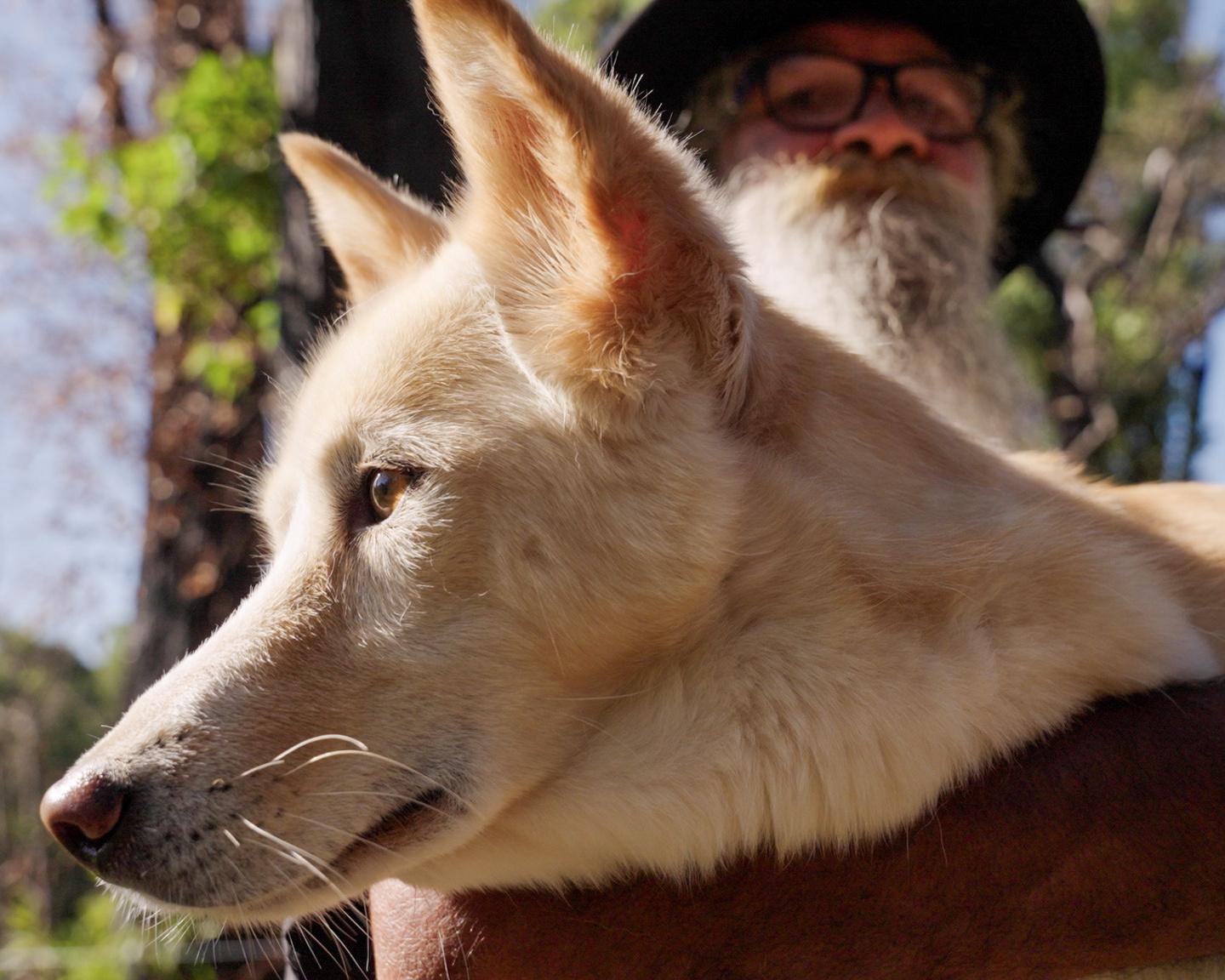
For Carol Pettersen, a Menang and Nadju Noongar elder, the dingo howl was once the soundtrack of her childhood in the Fitzgerald river bush. Now, seventy years later, she has not seen a wild dingo in her home country, a silence that represents a profound cultural and ecological loss for Aboriginal communities across the continent. This personal grief has become the driving force behind a new documentary, *Moort: Calling Dingo Back to Country*, which argues that the systematic removal of dingoes since European colonisation has severed a vital connection to Country.
Produced by Defend the Wild and Dingo Culture, the film challenges the prevailing biosecurity narrative that groups dingoes with wild dogs as invasive pests. Campaigners contend that this legal classification allows landholders to kill dingoes to protect livestock, ignoring the animal's role as a culturally significant apex predator essential for maintaining ecological health. Sonya Takau, founder of Dingo Culture, notes that policy has historically been shaped by livestock interests with little regard for First Nations cultural authority, effectively silencing Aboriginal voices in conservation decisions.
The documentary highlights a stark contrast between the eradicated south-west and northern Queensland, where dingoes still thrive in rainforest and cane country. In February, the film was screened at the Western Australian parliament, where custodians formally called for the state government to remove dingoes from pest classifications. The campaign urges the phase-out of lethal methods such as 1080 baiting and strychnine-laced traps, advocating instead for non-lethal coexistence measures including improved fencing and the use of guardian animals to support farmers.
Evidence for this shift in approach is drawn from Wooleen Station in the Murchison region of Western Australia. Zac Webb, a Wadandi conservationist featured in the film, describes how allowing dingoes to return transformed the landscape. Their presence helped control populations of kangaroos, goats, and rabbits, leading to vegetation recovery, reduced erosion, and clearer waterways. This case study demonstrates that dingo reintroduction can improve land management outcomes while supporting the ecological integrity of the bush.
The campaign seeks to reframe the relationship between landholders and dingoes, moving away from a history where culling was treated almost as a sport or a necessary economic burden for Aboriginal people. Early settlers often paid Indigenous people to shoot wildlife, a practice that contributed to the decline of dingoes in pastoral regions and broke the hearts of those forced to participate. The film aims to heal this intergenerational trauma by promoting a future where coexistence is learned rather than inherited from a legacy of fear.
Screenings of *Moort* and the companion film *Wooleen: Utilising Dingoes as a Management Tool* are scheduled for venues in New South Wales, including Brunswick Picture House and Evans Head, with further events planned across Australia. The project brings together Aboriginal elders, conservationists, and advocates to assert that protecting dingoes is not just an environmental imperative but a matter of kinship and cultural survival for the nation.