The Invisible Guardians: UK Child Chaperones Demand Recognition Beyond the Credits
From stopping shoots to provide pastoral care, the role of the child chaperone is legally mandated but often overlooked in production acknowledgments.
Child chaperones in the UK film and television industry are highlighting the critical nature of their safeguarding role while expressing frustration over the lack of recognition they receive from production companies. Despite being legally required for all children under 16 on set, these professionals often earn near minimum wage, face payment delays due to administrative issues, and lack dedicated trade union representation. Their contributions, which range from enforcing strict regulatory compliance to providing essential pastoral care, frequently go uncredited, leaving them as an invisible collective within the entertainment sector.
Linda Matthews, founder of Premier Chaperones, exemplifies the authority chaperones hold to protect young performers. In 2017, she halted filming on Steve Stone’s horror film In Extremis when a young actress playing a cancer patient became distressed by a bald cap. Matthews noted that the prop reminded the child of a friend’s mother undergoing treatment, prompting her to stop the production immediately. This incident underscores the chaperone’s duty to prioritise the child’s welfare over the production’s schedule or budget, a responsibility forged in response to historical abuses in the industry.
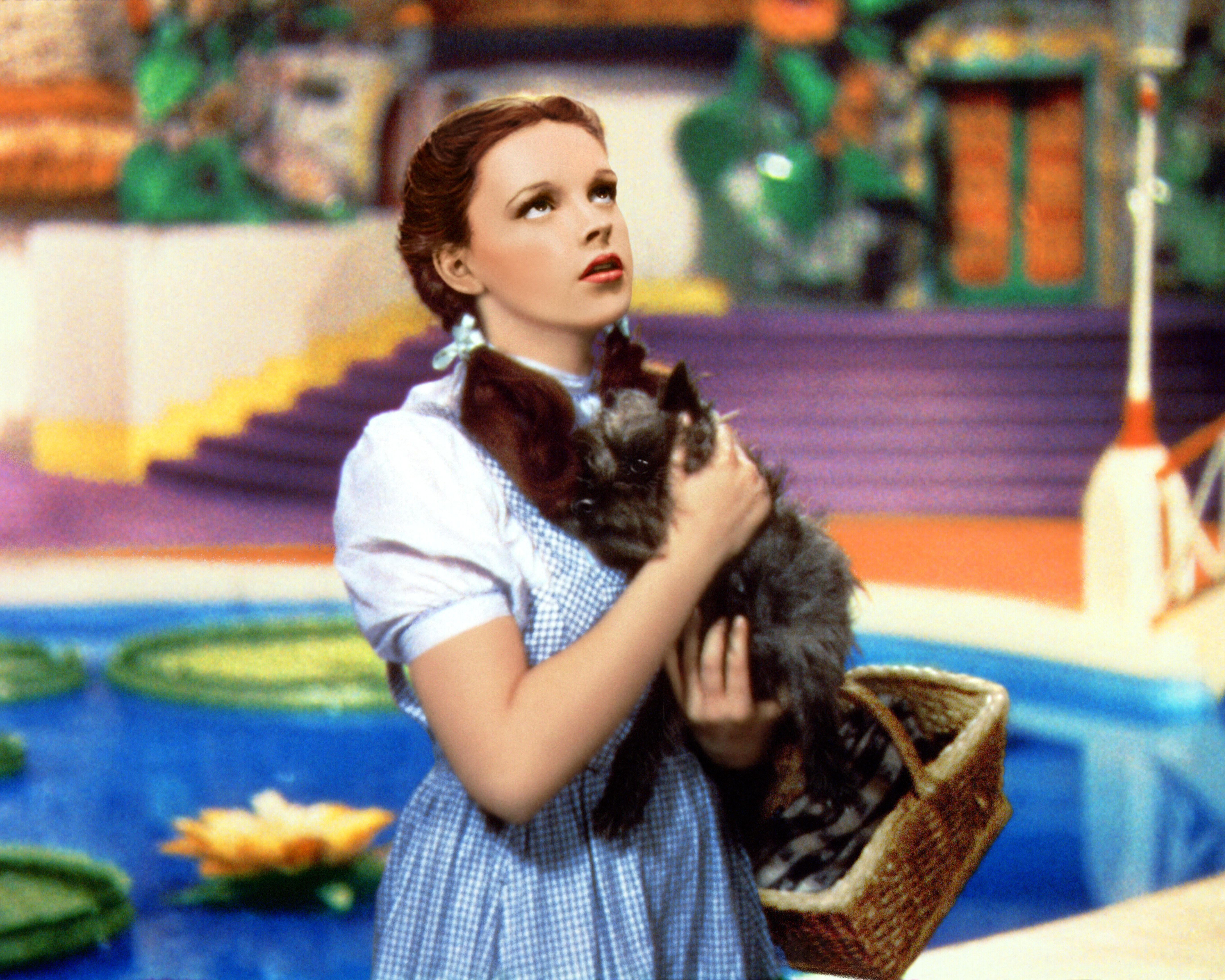
The regulatory framework governing these roles is strict, with penalties for breaches including fines of up to £1,000 per offence and custodial sentences of up to six months. These measures were reinforced by cautionary tales such as the exploitation of Judy Garland in Hollywood and the legal battles involving Olivia Hussey and Leonard Whiting regarding Franco Zeffirelli’s Romeo and Juliet. In the UK, chaperones are vetted through enhanced DBS checks and licensed by local authorities, often requiring applicants to pass stages of a social worker’s assessment. They act as pseudo-social workers and surrogate parents, ensuring children are fed, rested, and protected from harm.
On large-scale productions, the logistical demands are significant. Stephen Rawnsley, head chaperone on Netflix’s Adolescence, coordinated a team of over 40 licensed chaperones for more than 350 child actors. Despite the scale of his operation, Rawnsley’s role remains largely invisible in production credits, appearing near the bottom of lists alongside runners and insurance personnel. He describes the disappointment of being TV’s shadow man, noting that while he ensures children understand the unwritten rules of the set, he receives little acknowledgment from production companies.
The emotional bond between chaperones and young actors often extends beyond the set. Montanna Thompson, a former child actor in The Story of Tracy Beaker, described her chaperone Mary as family, recalling how Mary supported her through personal milestones such as her first period. Both Matthews and Rawnsley maintain long-term relationships with former child actors, who often invite them to premieres and performances. While they do not seek the spotlight, chaperones argue that a validating moment in the credits would acknowledge their vital role in preventing abuse and ensuring child welfare.