The ink of resistance: Forty years of Aboriginal protest art in Sydney
A curated collection of posters from the 1980s and 1990s reveals the visual language of activism, featuring works by Tracey Moffatt, Peter Chester, and Colin Russell, alongside Jackson’s personal memorabilia.
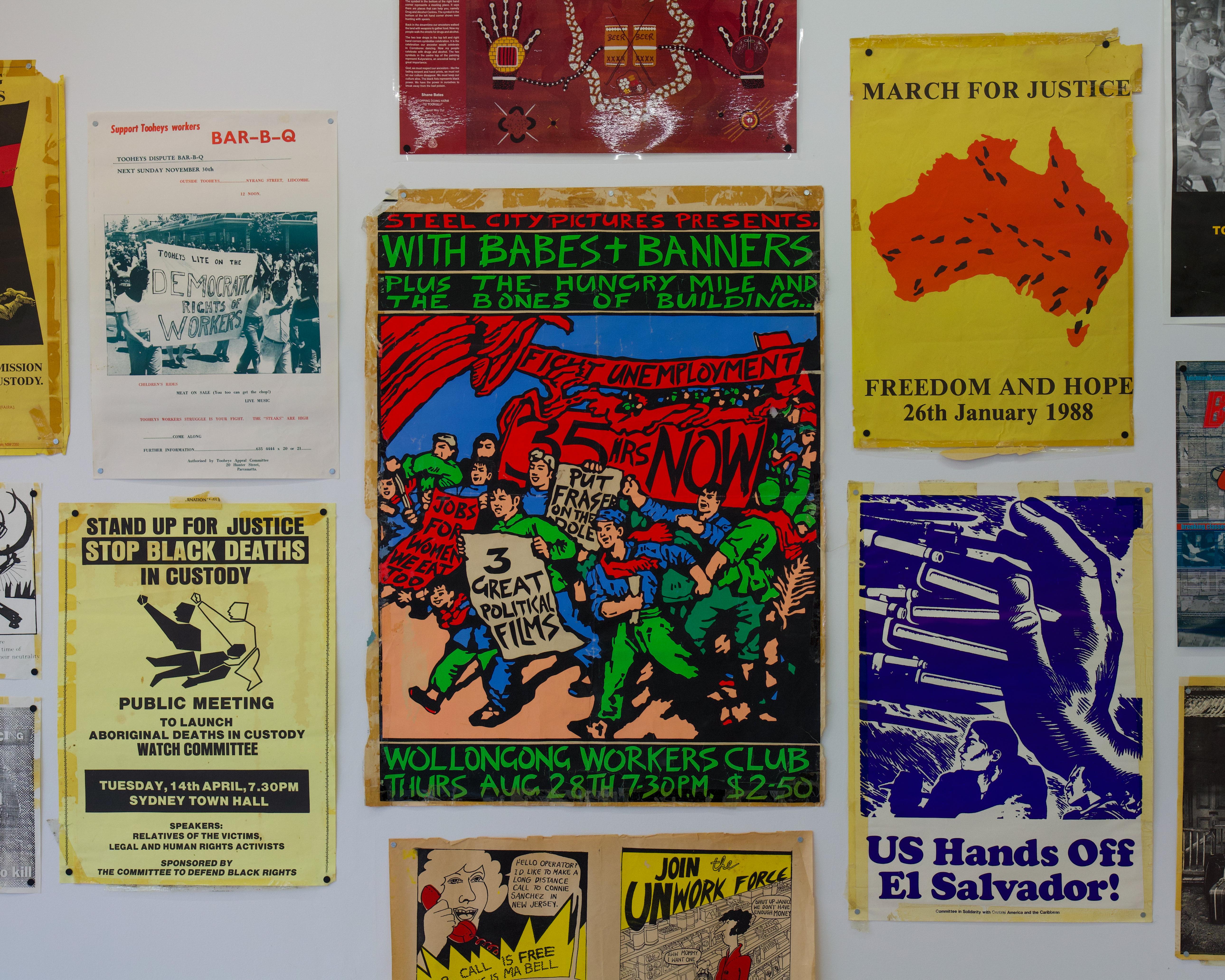
An exhibition currently on display in Sydney offers a compelling visual history of Aboriginal activism, showcasing forty years of protest posters collected by Wiradjuri elder and activist Ray Jackson. Titled Ray Jackson Doing Time with Penrith Miers Archive, the exhibition runs until 2 August and serves as a tribute to Jackson, who died in 2015 at the age of 74. The collection highlights Jackson’s extensive engagement with social justice movements, ranging from Indigenous rights and deaths in custody to international solidarity causes.
Jackson, a trade unionist and communist, utilised his Waterloo home in Sydney as a hub for activism. The walls of his residence were plastered with the very posters now featured in the exhibition, and it served as a venue for intimate meetings and community organising. Sam Miers, associated with the Penrith Miers Archive, notes that everything in Jackson’s life was part of his activism, including the gatherings held within his home.
The exhibition features significant works from the 1980s and 1990s, including Tall Ships Tall Stories (1987), designed by Amanda Holt with art by Tracey Moffatt. Created ahead of the 1988 Bicentenary, the poster includes a quote from Moffatt describing the re-enactment of the First Fleet’s arrival as an insult to the memory of murdered Aboriginal people. Another key piece is We Have Survived! White Australia Has a Black History (1988) by Peter Chester, which promoted a 26 January rally and recreated the iconic image of raising the Aboriginal flag.
Jackson’s focus on Aboriginal deaths in custody is evident in posters such as We Are Surviving the Killing Times and Robert Walker (circa 1987). The latter honours Indigenous poet and activist Robert Walker, who died in Fremantle prison aged 25 in 1984. The poster bears the inscription “Secretary: Ray Jackson,” reflecting Jackson’s role as secretary for the NSW Aboriginal Deaths in Custody Watch Committee, an organisation he helped establish alongside the Indigenous Social Justice Association Sydney.
Beyond Indigenous issues, the collection underscores Jackson’s commitment to global solidarity. Displacements – Palestinian / Northern Irish / Aboriginal (1983-84) by Merilyn Fairskye and Pam Debenham draws parallels between the oppression of Palestinian, Northern Irish, and Aboriginal people. The exhibition also includes The Workplace Is No Place for Racism (1985) by Redback Graphix, Rat Social and Control Conference (1984) by the NSW artist collective Without Authority, and We’re Family Too (circa 1999), produced by the Australian Federation of Aids Organisations.
The display concludes with a commemorative poster of Jackson created by artist Mickie Quick in 2015. It depicts Jackson wearing his signature cap, which was covered in badges from various movements he supported. The actual cap is also on display, serving as a tangible link to the elder’s enduring legacy. The exhibition provides a comprehensive look at the intellectual and activist movements that shaped Australian social justice campaigns over four decades.