The high cost of luxury water: taste, marketing, and the microplastic question
As the premium bottled water market expands, experts argue that high price points and remote sourcing do not necessarily equate to superior hydration, while new research complicates the safety of glass packaging.
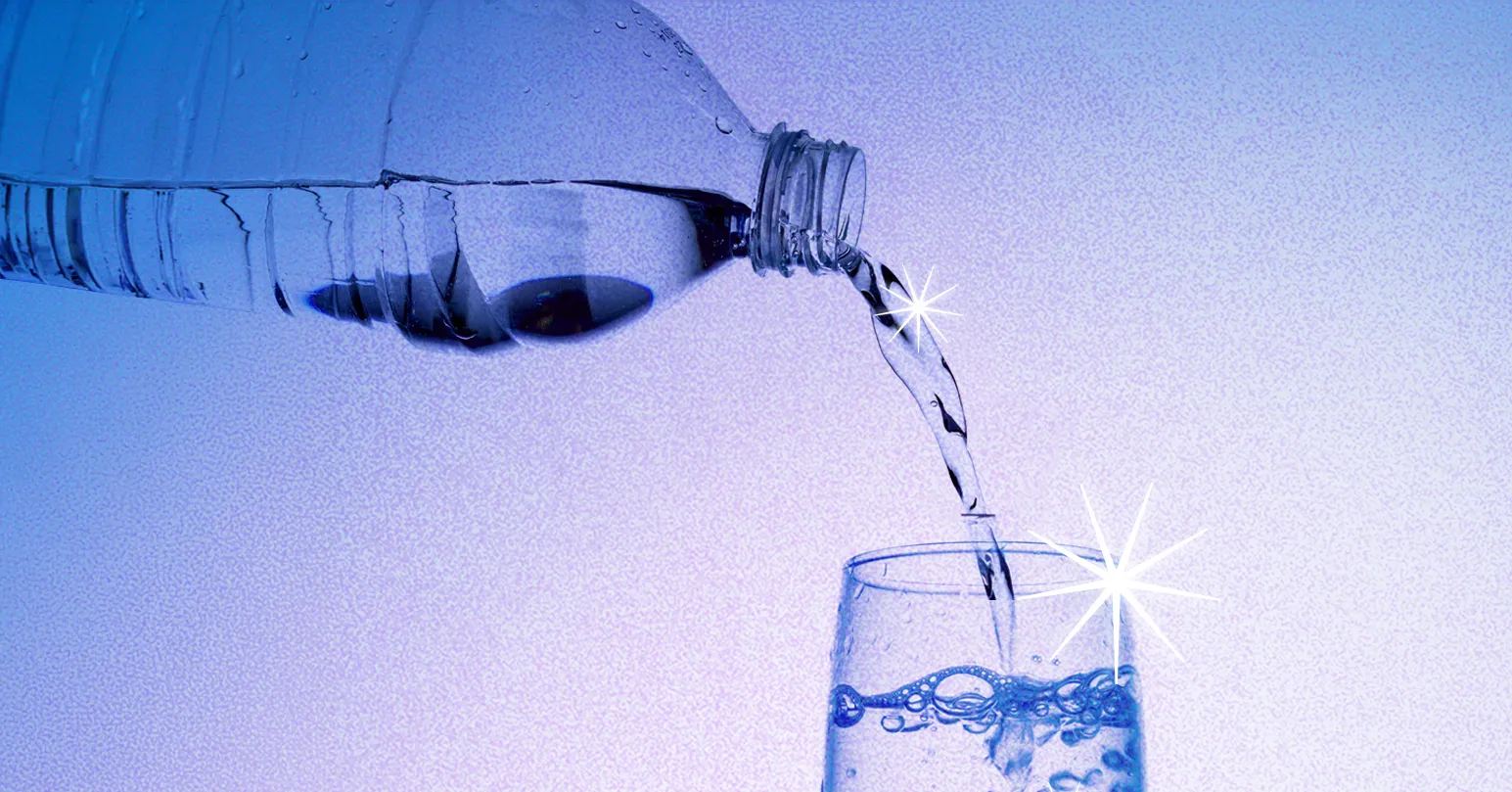
The premium bottled water industry is undergoing a significant transformation, with supermarket shelves now distinguishing between glacial, iceberg, volcanic, spring, mineral, and alkaline varieties. At the upper end of this expanding market, brands such as Svalbarði Polar Iceberg Water sell Arctic water for as much as €100 (approximately $116) per bottle. This growth is driven by a combination of verifiable mineral differences and carefully constructed marketing associations, with restaurants introducing water menus and trained sommeliers assessing bottles by their provenance and mouthfeel.
Michael Mascha, who founded the platform FineWaters in 2002 to train water sommeliers, argues that prices often reflect the costs of remote sourcing and difficult transport rather than superior health benefits. He suggests that luxury water is better understood as a dining experience than as a more effective source of hydration. Lucy Semerjian, an associate professor of environmental science and technology at the University of Sharjah, notes that there is no established evidence that luxury water hydrates a healthy person better simply because it is more expensive or comes from a celebrated source.
Minerals such as calcium and magnesium are absorbed from soil and rock as water travels, affecting both taste and potential nutrient intake. However, Maria Abi Hanna, cofounder and CEO of Food Label Maker, cautions that terms like "rich in minerals" or high total dissolved solids (TDS) numbers do not automatically indicate superior quality. TDS measures the combined concentration of dissolved substances but does not function as a score for safety or health. Similarly, while alkaline water is often positioned as a wellness advantage, the body tightly regulates blood pH, meaning the water's pH level does not necessarily confer a hydration benefit.
The most consequential aspect of premium water may lie in its packaging. Premium brands frequently use glass to reinforce perceptions of luxury and to avoid concerns surrounding plastic. Nidia Rodriguez-Sanchez, a senior lecturer in physiology and nutrition at the University of Stirling, explains that plastic bottles are sensitive to thermal stress, which can increase the migration of substances like antimony from PET into the water, particularly in hot climates or when stored in vehicles.
However, glass is not an entirely plastic-free solution. A 2025 study led by France’s Agency for Food, Environmental and Occupational Health and Safety (ANSES) found microplastics in beverages packaged in glass. Researchers traced many of these particles to the painted coating on metal bottle caps, which can scratch during storage. While glass-bottled water contained slightly more microplastic particles than water in plastic or cartons, it contained far fewer than soft drinks or beer in glass.
The study does not prove that glass packaging is more dangerous than plastic, but it demonstrates that changing the bottle material does not eliminate every potential source of plastic exposure. Mascha notes that anxiety about microplastics is selectively applied, pointing out that they are also present in wine, beer, and soft drinks. For investors and consumers, the premium water market remains a category defined by taste and experience, where the leap from "tastes different" to "is healthier" is often where marketing outruns the evidence.