The hidden costs behind Thunderbolt 4 and 5 cable premiums
Advanced internal engineering, mandatory Intel certification, and lower manufacturing volumes drive the price gap between Thunderbolt and generic USB-C cables.
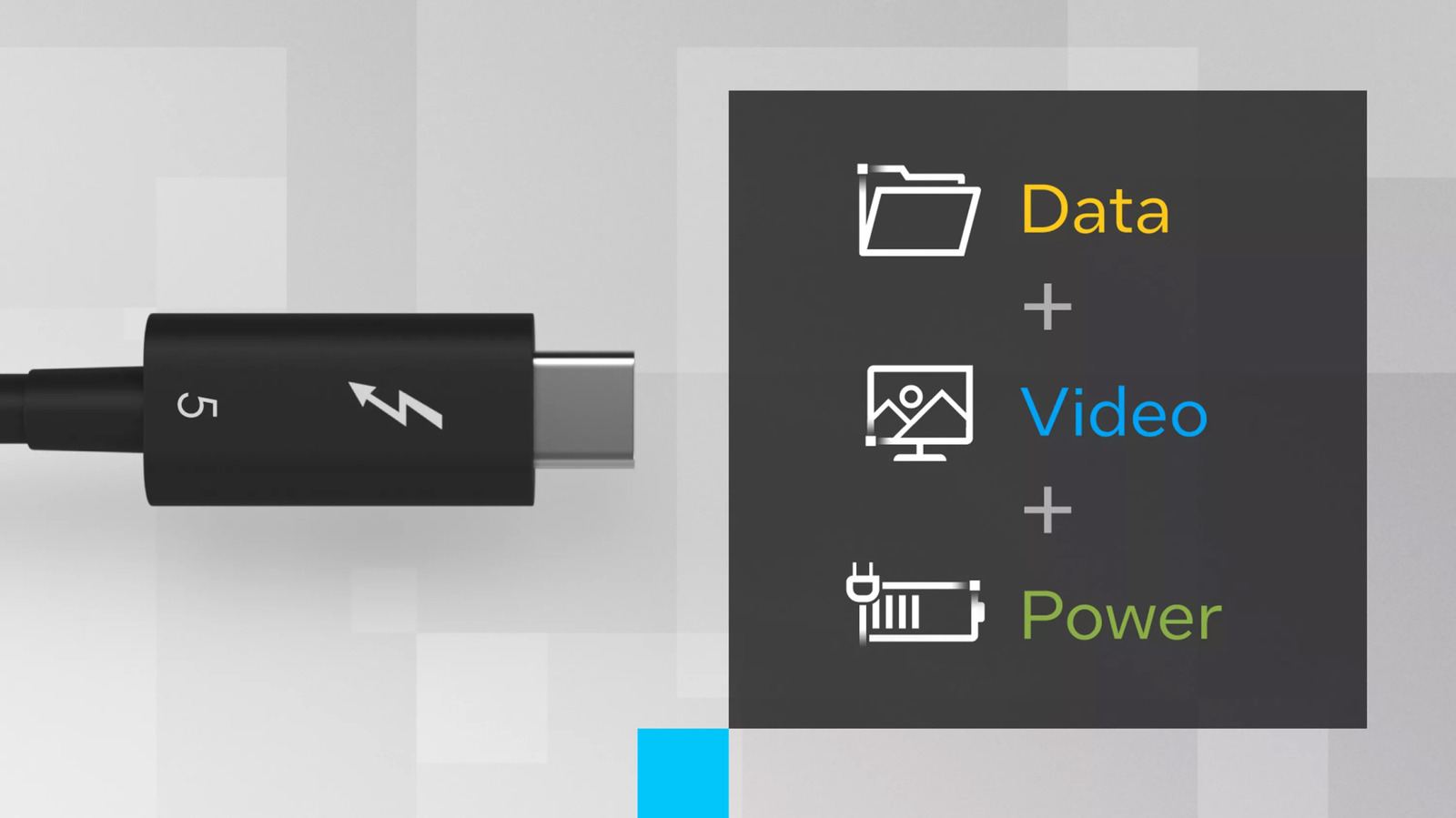
Thunderbolt cables command a substantial price premium over standard USB-C cables, a disparity driven by complex internal engineering, rigorous certification protocols, and lower manufacturing volumes. According to an analysis by Engadget, the physical similarity between the connectors masks significant differences in capability and production economics. While both utilise the same USB-C form factor, Thunderbolt technology incorporates advanced components to support higher data rates and power delivery, necessitating a more expensive supply chain.
The technical specifications of the latest standards illustrate the engineering complexity involved. Thunderbolt 5 supports bidirectional data transfer speeds of up to 80 Gbps, with a boost mode capable of transmitting 120 Gbps while receiving at 40 Gbps. This performance allows for the transfer of 1TB of data in mere minutes, a stark contrast to USB 2.0 cables which may require several hours for the same task. Additionally, certified Thunderbolt 5 cables can handle charging loads of up to 140W, with some variants supporting 240W via USB Power Delivery, whereas Thunderbolt 4 typically supports up to 100W.
To maintain signal integrity at these high speeds, particularly over longer distances, many Thunderbolt cables are "active," containing integrated circuit retimer chips. These components clean and refresh the signal as it travels, ensuring data arrives without errors. This requirement for active electronics, combined with the need to support outputs for multiple 8K displays, high-refresh-rate gaming monitors up to 540Hz, and DisplayPort 2.1, adds layers of complexity that basic USB-C cables, often limited to 10 Gbps, do not require.
Governance by Intel further distinguishes Thunderbolt from other standards. Developed alongside Apple with the first consumer cable released in 2011, the Thunderbolt standard mandates that cables pass strict certification processes to bear the lightning bolt logo. This certification verifies that cables meet advertised speeds, charge safely, and maintain backward compatibility. These compliance costs are factored into retail prices, differentiating official Thunderbolt products from unofficial, uncertified alternatives that may lack guaranteed performance.
The price gap is also a function of market dynamics. Standard USB-C cables, many of which support only USB 2.0 or USB 3.2 Gen 2 speeds, benefit from mass production and broad consumer demand for basic charging and data transfer. In contrast, the niche market for high-performance connectivity keeps Thunderbolt volumes lower. While USB4 V2 matches Thunderbolt 5’s 80 Gbps speed, it lacks the same governance structure, allowing for a wider range of pricing and certification levels that generally result in lower costs for end users.
