The Guardian ranks top 20 fictional TV prime ministers amid UK political turnover
As the United Kingdom prepares to appoint its seventh prime minister in a decade, The Guardian has published a countdown of the most compelling fictional leaders on television, spanning from satirical comedies to high-stakes thrillers.
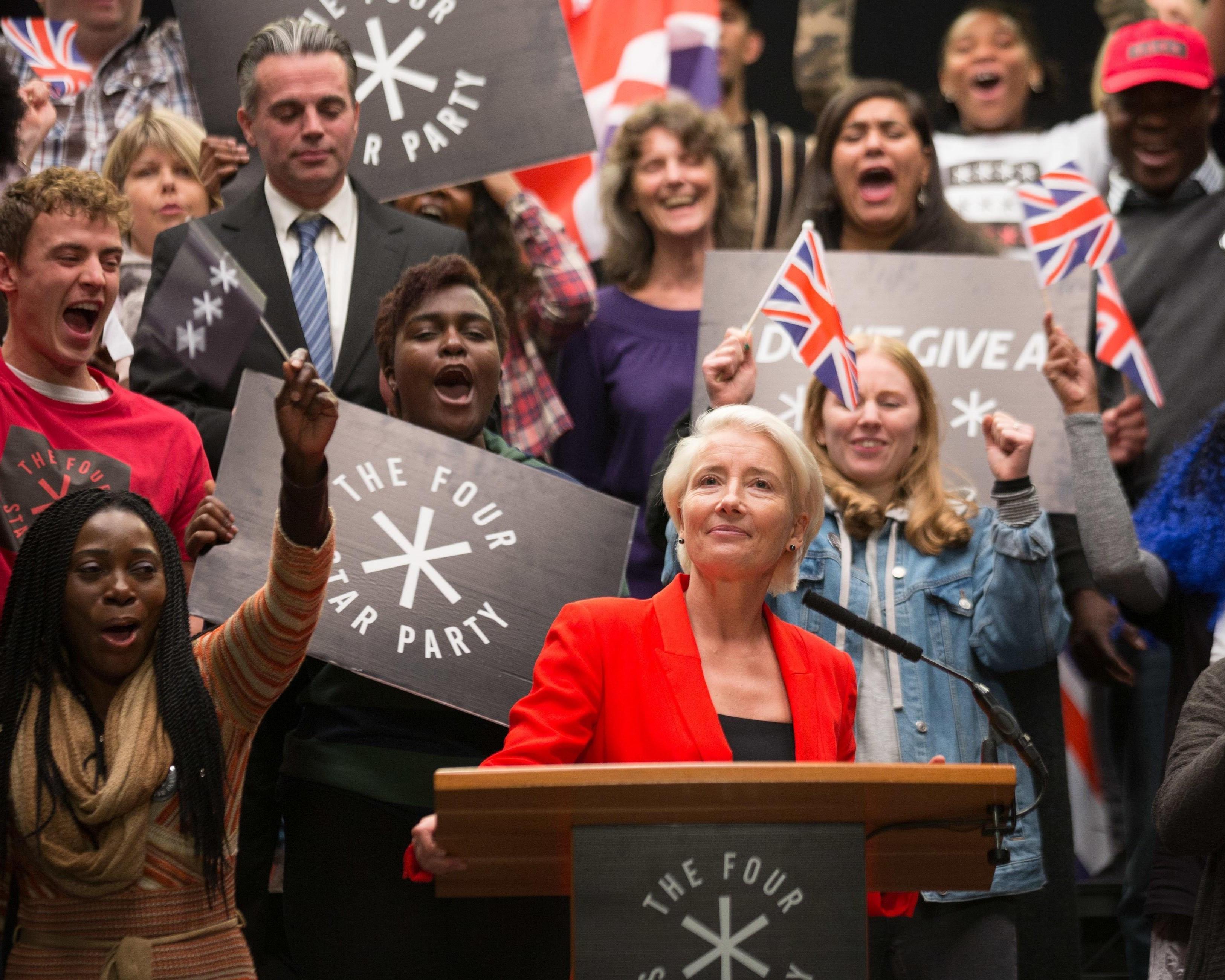
The Guardian has released a feature ranking the top 20 fictional British prime ministers on television, compiled against the backdrop of significant political turnover in Westminster. The countdown was published as the UK prepares to appoint its seventh prime minister in ten years, a period of instability that has prompted public speculation and media commentary on the durability of the office. The list includes characters from dramas such as The West Wing, Number 10, and The Thick of It, as well as comedies like Blackadder and Yes Minister.
The article highlights specific performances by actors including Stephen Fry, Helen McCrory, Robert Carlyle, and Rory Kinnear. Fry’s character in the real-time thriller 24 was depicted as a composite of real-world figures, while McCrory played a prime minister deposed by a corrupt colleague in David Hare’s conspiracy drama. Kinnear appears twice in the list, portraying leaders in the political thrillers Bodyguard and Black Mirror, the latter of which featured a dystopian scenario involving a hostage crisis.
Cultural timing played a role in the selection, with the piece coinciding with the release of a tribute film for Rik Mayall, titled Rik Mayall: Magnificent B’stard, and the upcoming Steven Moffat drama Number 10 on Channel 4. The Guardian’s countdown includes a mix of serious political thrillers and satirical comedies, citing Yes Minister as the greatest political comedy of all time by MPs’ vote. The series, which debuted as Margaret Thatcher’s tenure waned, is noted for its sharp depiction of Whitehall bureaucracy.
The list also addresses retrospective interpretations of fiction and reality. The Guardian notes that Charlie Brooker’s Black Mirror episode The National Anthem was retrospectively described as prophetic following allegations regarding former prime minister David Cameron’s student days. The article treats such claims as reported allegations within the narrative rather than established facts, maintaining a distinction between fictional prophecy and real-world political controversy.
Other entries include Jane Horrocks’ no-nonsense independent candidate in The Vicar of Dibley, Emma Thompson’s far-right populist leader in Years and Years, and Ray McAnally’s Labour leader in Yes, Prime Minister. The BBC adaptation of Noughts and Crosses was also featured, exploring themes of racial segregation through its depiction of a colonised Europe. The Guardian’s selection serves as a cultural mirror to the current political climate, reflecting on the stability and representation of power in media.