The gritty masterpiece Michael Mann’s Miami Vice was always meant to be
A new retrospective analysis by The Guardian Culture highlights how Mann’s high-definition, post-9/11 thriller has gained cult status, standing in stark contrast to the upcoming Joseph Kosinski reboot
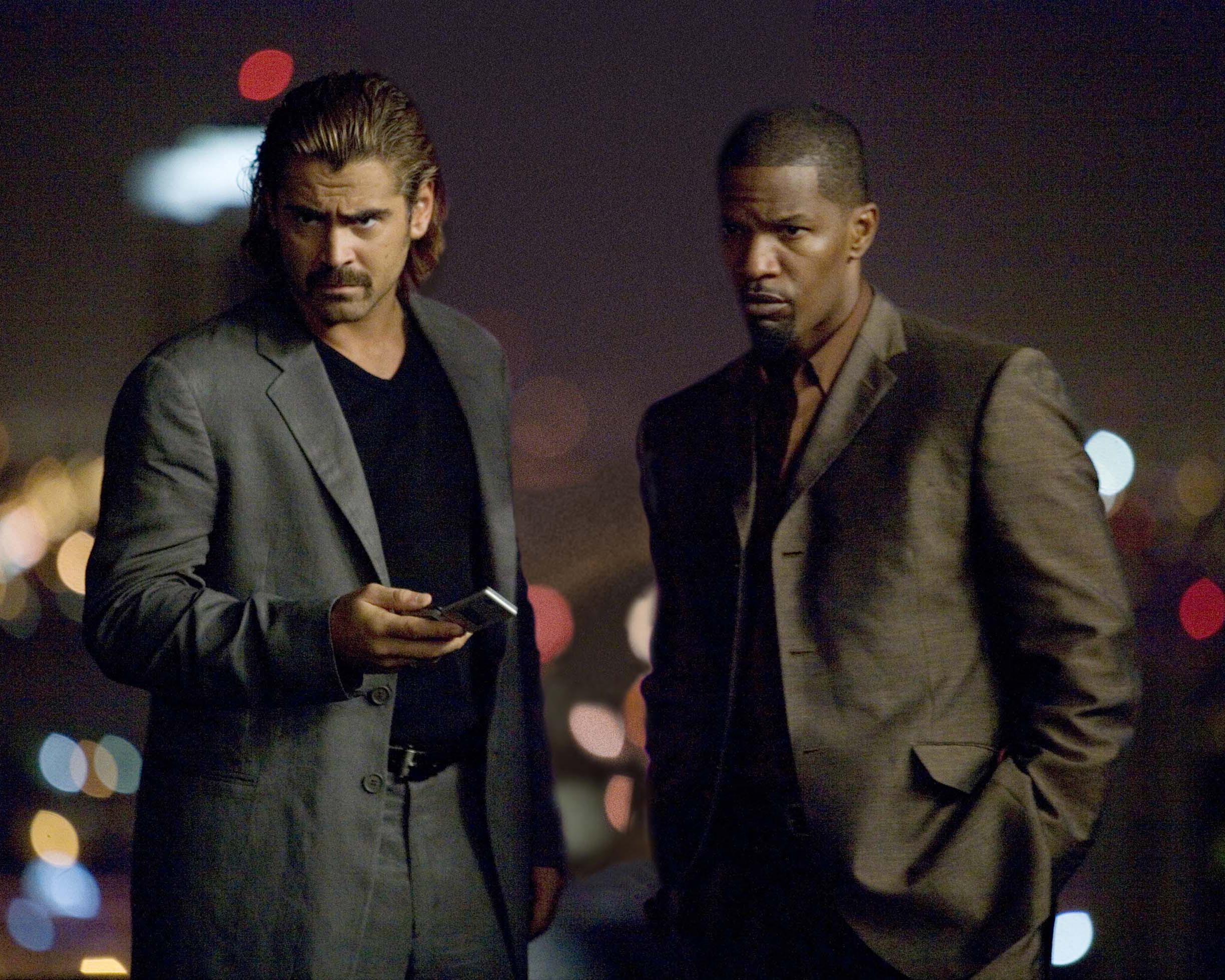
A retrospective analysis published by The Guardian Culture on 12 August 2026 has re-evaluated Michael Mann’s 2006 film Miami Vice, describing it as a gritty and intoxicating masterpiece. Two decades after its initial release, critics now praise the film for its unique aesthetic, post-9/11 themes, and high-definition cinematography, noting its significant divergence from the pastel-heavy style of the original 1980s television series.
When the film premiered in 2006, it was coolly received by audiences and critics who found its wilful departure from the source material jarring. The original TV series had been era-defining, capitalising on a specific Reagan-era zeitgeist with its signature pastels and shoulder pads. Mann’s adaptation, however, replaced those elements with shadows, new-age surveillance technology, and a darker, more uncompromising tone that felt ill-suited to the summer blockbuster market of the time.
The Guardian article, dated 12 August 2026, explicitly states that critics have since declared the film genius and a demented masterwork, with fandom fervency rivaling Mann’s other acclaimed works such as Heat and Collateral. The piece highlights the film’s unique aesthetic, including its use of nascent HD cameras, post-9/11 themes, and a soundtrack featuring Linkin Park, noting its divergence from the TV series’ visual language.
Mann’s film captures the anxiety of a less optimistic world, blasting off in medias res without the buddy cop banter of the show. It features an international drugs trafficking plot that takes the narrative to Haiti, Paraguay, and Cuba, utilising fuzzy night-time shots and confrontationally detailed human faces. This distinctly digital aesthetic, which initially appeared to have the glamour scrubbed away from cinema, is now viewed as miraculous, offering infinite depth of field and high-definition clarity.
The article contrasts Mann’s 2006 film with the original 1980s television series and the upcoming Miami Vice ’85 reboot directed by Joseph Kosinski, scheduled for release in 2028. The upcoming reboot is inspired by the first season of the original series, suggesting a return to the more straightforward entertainment that audiences may have expected in 2006. However, the cult status of Mann’s idiosyncratic fusion of blockbuster and art film suggests audiences may prefer the grittier original.
Miami Vice is currently available for streaming in Australia on Binge, Foxtel, and Netflix, in the UK on Netflix, and in the US on Amazon Prime, with rental options via Apple TV. The film’s enduring legacy is now cemented as a capsule of its time, proving that Mann’s vision was not a misstep, but a prescient reflection of a changing global landscape.