The enduring legacy of USB-B in an age of USB-C
Introduced in 1996 alongside USB-A, the Type-B connector was engineered for stability and backward compatibility, securing its place in office and musical equipment long after mini-USB and micro-USB supplanted it in portable gadgets.
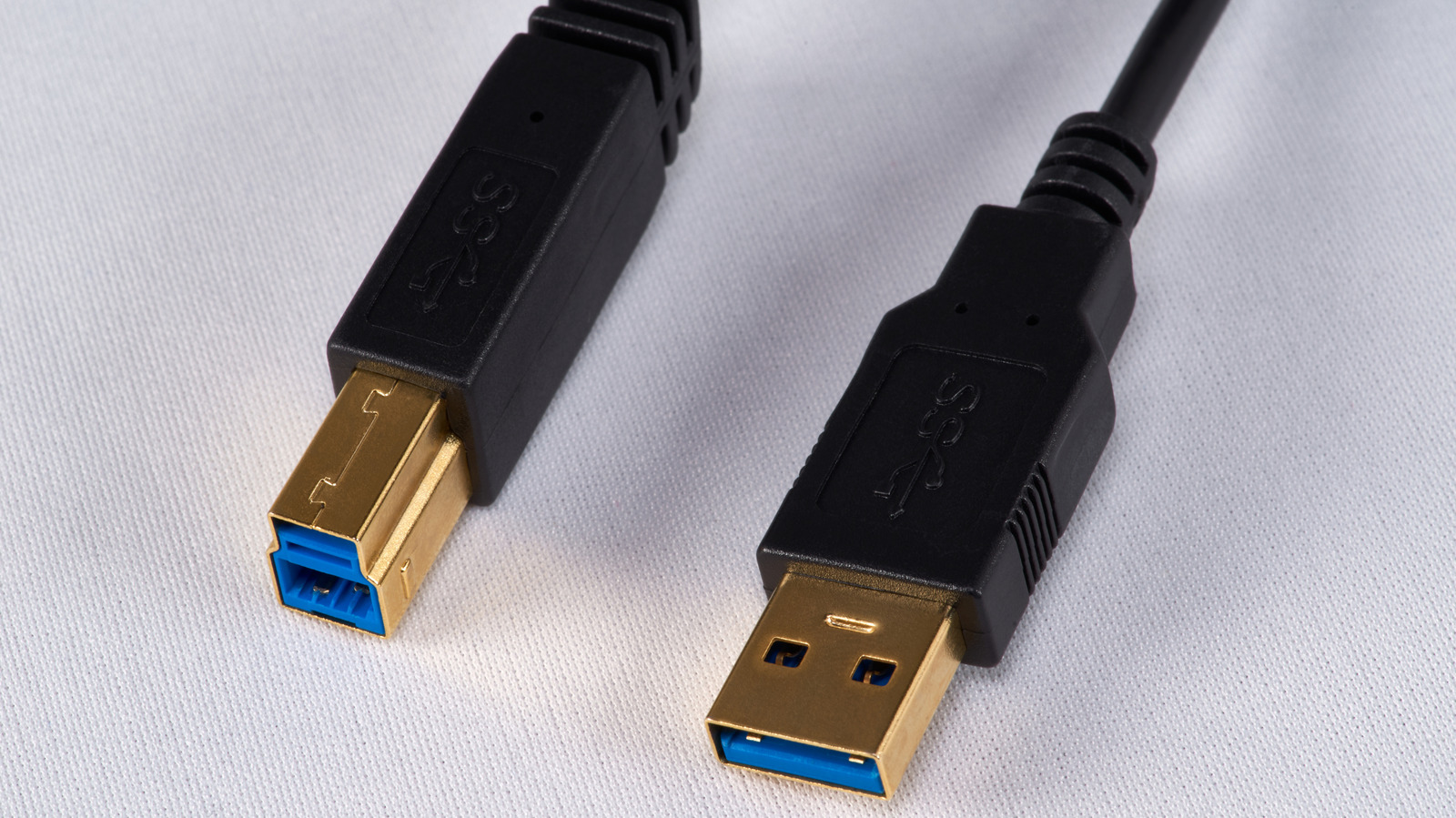
The transition from USB-A to USB-C has largely obscured the role of the USB-B connector, yet its history is integral to the standard’s evolution. According to an analysis by Engadget, both Type-A and Type-B connectors were introduced simultaneously in 1996 with the objective of replacing the fragmented landscape of proprietary ports. While Type-A became the ubiquitous standard for host devices such as computers and chargers, Type-B was specifically designed for peripherals like printers and external hard drives. This distinct separation ensured that cables were connected in the intended direction, preventing incorrect host-to-host linking and managing the typical flow of power from the host to the peripheral.
The physical design of the USB-B connector, characterised by a squarish and broader profile, proved advantageous for larger stationary equipment but ill-suited for the portable electronics boom. Its bulkiness rendered it impractical for compact gadgets, leading to the development of mini-USB and micro-USB standards that better accommodated devices such as smartphones and MP3 players. These smaller formats superseded USB-B in the consumer portable sector, allowing for more versatile and space-efficient device designs during the rise of mobile technology.
Despite being nearly three decades old, the USB-B connector has not faded into obscurity. It remains in use within modern electronics, particularly in office equipment and musical instruments. The primary driver for its persistence is likely compatibility; organisations that have relied on the port for years would face significant inconvenience if existing cables and established workflows were rendered obsolete. In environments where equipment may go months or years without being disconnected, the reliability of legacy infrastructure often outweighs the appeal of newer features.
The robust design of the USB-B connector offers a secure physical connection that is less prone to accidental disconnection compared to smaller, more delicate ports. For professional equipment where stability is prioritised over compactness, there is little functional benefit in replacing a proven connection method with a smaller, reversible cable. The connector’s ability to maintain a firm link makes it a preferred choice for peripherals that value familiarity and backward compatibility over the aesthetic or size advantages of modern alternatives.
USB-C has now become the dominant connector for consumer electronics, offering a compact, reversible design with support for higher bandwidth, power delivery, and video output through standards like USB4 and Thunderbolt. However, Engadget notes that high speeds are not always guaranteed depending on the specific implementation of the standard. As newer generations of electronics gradually adopt USB-C, USB-B may eventually fade away, but it is likely to remain the standard for peripherals where stability and legacy integration remain critical.
