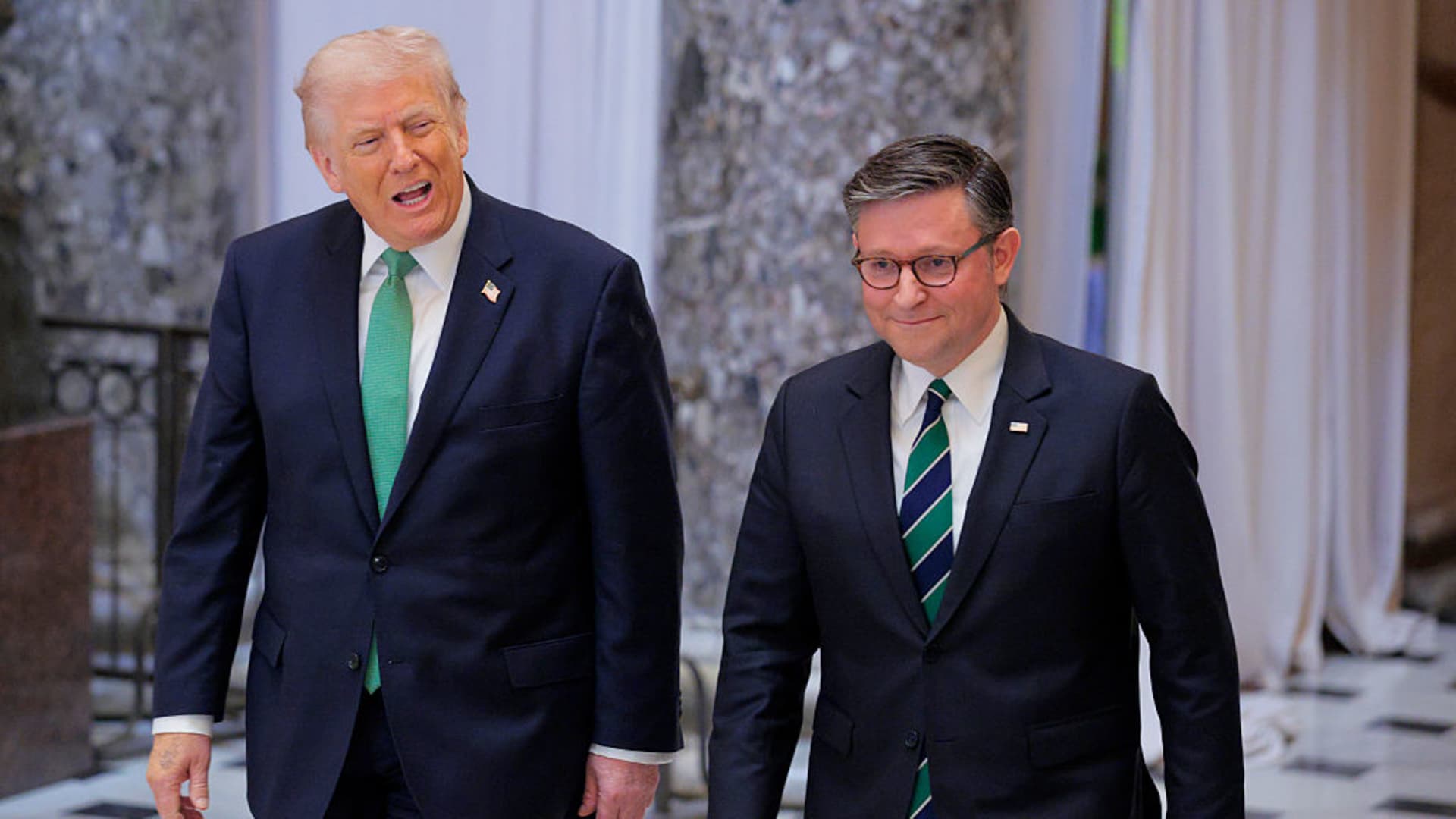
The Economist frames Trump’s political trajectory as a pursuit of revenge
The publication’s 20 May 2026 brief characterises recent political moves by Donald Trump as retaliatory, following a week of high-stakes diplomacy and corporate market shifts.
The Economist published its daily political update on 20 May 2026, headlining the piece "The US in Brief: Trump gets more revenge." The brief signals that political developments involving Donald Trump remain a focal point of international attention, with the publication framing the current narrative around themes of retribution.
This latest update follows a significant diplomatic week that commenced on 14 May 2026, when US President Donald Trump arrived in Beijing for a two-day summit with Chinese President Xi Jinping. The visit marked the first trip by an American president to China since 2017 and was accompanied by a delegation of major technology executives, including Elon Musk, Tim Cook, and Jensen Huang.
The summit agenda addressed critical global issues, specifically trade relations, artificial intelligence regulation, and tensions surrounding the Strait of Hormuz. The diplomatic engagement was met with immediate positive sentiment in financial markets, suggesting investor confidence in the potential outcomes of the talks.
On the day the summit began, US stock indices posted gains. The Dow Jones Industrial Average rose by 0.8 per cent, while the S&P 500 increased by 0.3 per cent and the Nasdaq Composite climbed by 0.2 per cent. Specific corporate movements also reflected the market's reaction to the geopolitical landscape.
Nvidia shares surged more than 2 per cent following the approval of a chip sale, highlighting the intersection of technology policy and market performance. In contrast, Cisco announced plans for job cuts as part of its broader restructuring efforts, illustrating the divergent pressures within the tech sector during this period of heightened global engagement.
While The Economist’s 20 May brief focuses on the political characterisation of Trump’s actions, the surrounding context reveals a complex interplay between diplomatic strategy and market dynamics. The publication’s framing of "revenge" underscores the intense political atmosphere that continues to evolve alongside these significant economic and diplomatic events.