The Clapper: How a Flawed Smart Home Device Became a Marketing Phenomenon
An interview with University of South Carolina professor Allison Marsh explores whether The Clapper’s commercial success stemmed from its function or its memorable campaign, marking the final episode of the podcast’s fourth season.
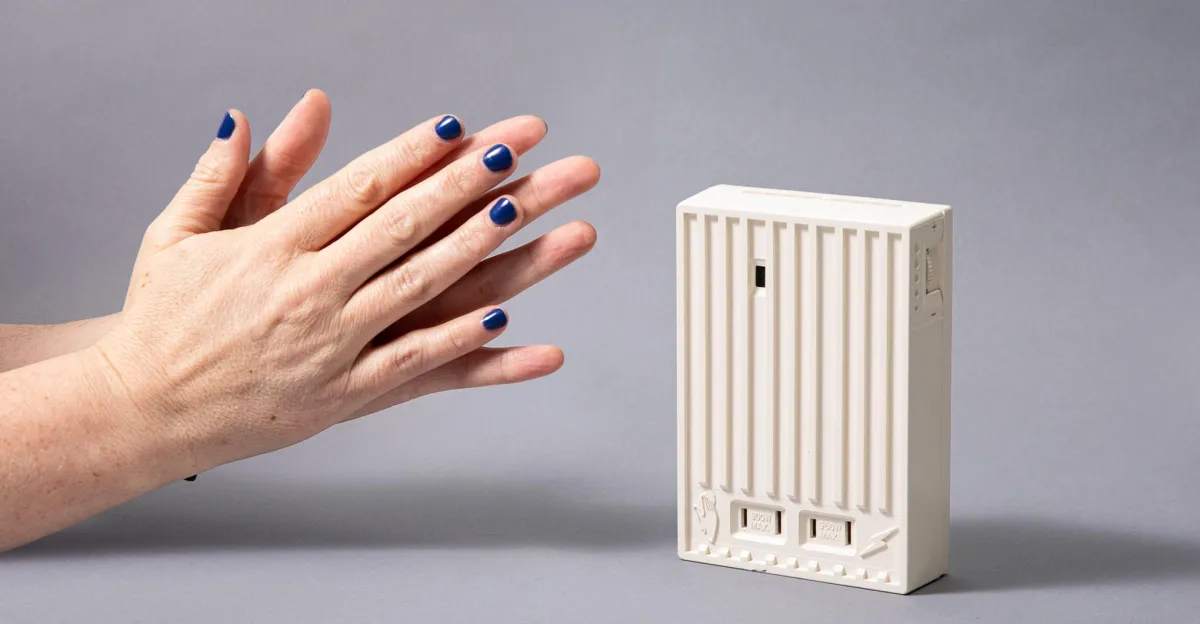
The Verge’s Version History podcast has released its sixth and final episode of the fourth season, turning its attention to The Clapper, an early smart home device that achieved significant commercial success despite being widely regarded as unreliable. The episode investigates the origins of the gadget, originally marketed as “The Great American Turn-On”, and its subsequent rise to cultural prominence alongside one of the most memorable advertising campaigns in history.
Hosts David Pierce and Victoria Song are joined by Allison Marsh, a writer and professor at the University of South Carolina, to analyse the device’s legacy. The discussion centres on a central question regarding the product’s market performance: whether its popularity was driven by genuine utility or by the strength of its marketing. Marsh provides academic context to the debate, helping to unpack the mechanics of a product that often failed to perform as advertised.
The operational requirements for The Clapper were notoriously finicky. Users had to execute specific clapping patterns, including a pause of no more than half a beat between claps. If the initial attempt failed, users were required to clap louder and faster, a process that frequently frustrated consumers. Despite these usability challenges, the device managed to secure a substantial market share, a feat the podcast attributes largely to its branding rather than its technical reliability.
Beyond its usability issues, the device carried notable safety risks. The source material highlights that The Clapper had the potential to damage or “fry” connected electronics, underscoring the gap between its marketing promises and its actual performance. This combination of technical flaws and safety concerns makes its historical commercial success a unique case study in consumer behaviour and brand recognition.
The release of this episode concludes the current season of Version History, with the podcast taking a break to prepare new content. Listeners are encouraged to catch up on previous episodes covering other notable tech products, including the Harmony remote, Roomba vacuum, Nest thermostat, Keurig coffee maker, and Philips Hue smart lights. Verge subscribers can access the podcast ad-free through their account settings.
