The Archibald Paradox: Inside the Judging of Australia’s Most Polarising Portrait Prize
With 59 finalists selected from over 1,000 entries, the Art Gallery of New South Wales exhibition reveals a judging process driven by narrative weight and internal consistency as much as technical mastery.
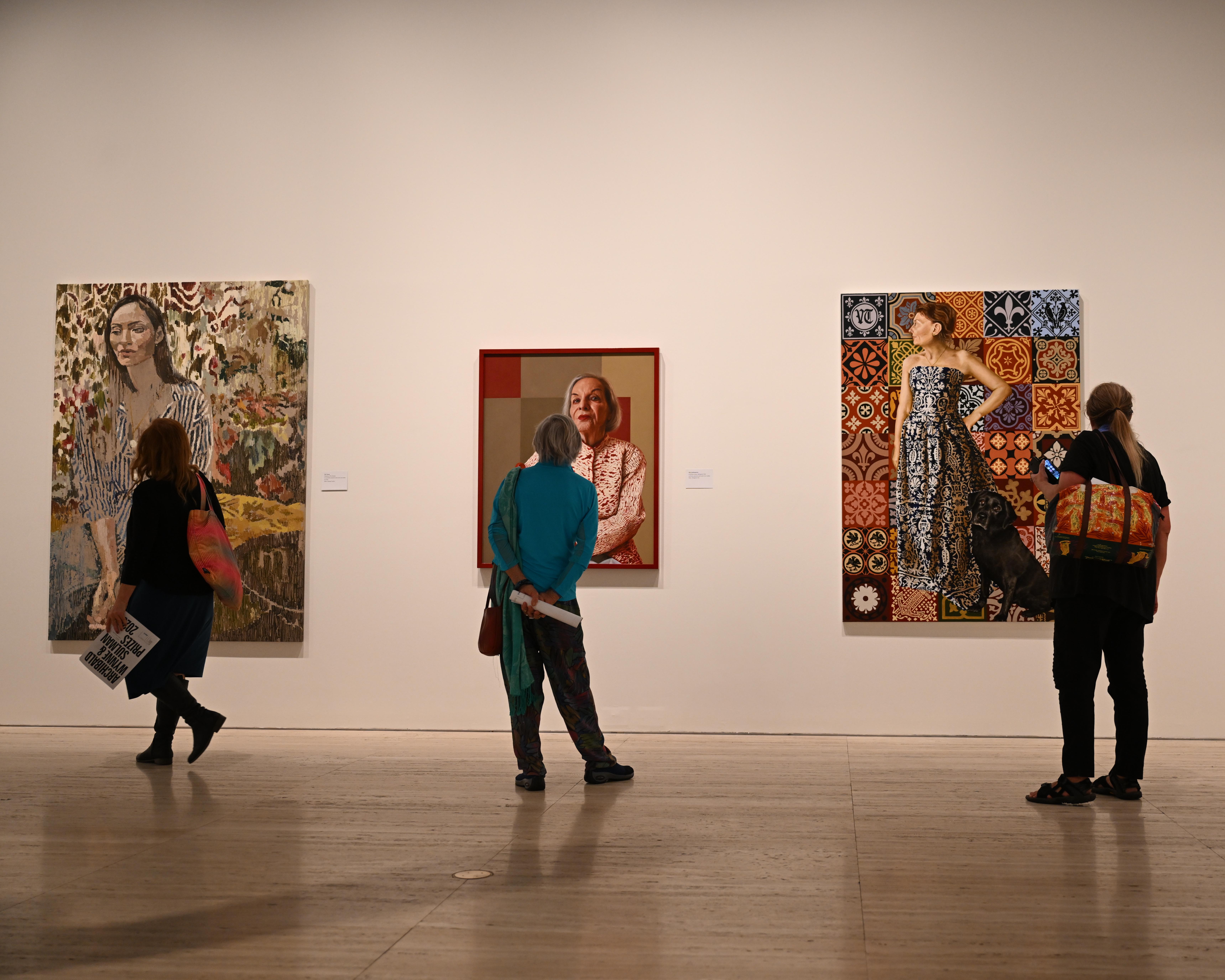
The 2026 Archibald Prize finalists are currently on display at the Art Gallery of New South Wales in Sydney, running until 16 August. The exhibition showcases 59 portraits selected from 1,034 submissions, a process that judges the Art Gallery of New South Wales board of trustees, including artist representatives Tony Albert and Caroline Rothwell, alongside business executives. Concurrently, the Salon des Refusés, featuring works rejected by the judges, is exhibited at the SH Ervin Gallery until 26 July.
The selection process, conducted over a single weekend alongside the judging of 773 Wynne Prize entries, has sparked intense public debate. Observers have noted the stark contrast between works such as Liam Nunan’s technically accomplished portrait of actor Sheridan Harbridge and Keli Holiday’s supersized depiction of singer Adam Hyde, which some critics described as having an “MS Paint” aesthetic. These divergent styles highlight the prize’s reputation for unpredictability and its capacity to generate vigorous cultural conversation.
According to insights from former artist judges, the selection criteria extend beyond pure technical merit. Submissions are often evaluated against the artist’s previous body of work, effectively judging painters against their own established standards. This internal consistency, combined with the narrative weight of the subjects, appears to influence the final lineup more than critics might expect.
The prize’s remit requires portraits of individuals distinguished in art, letters, science, or politics, painted by Australian residents based on live sittings. This focus on subject matter and story explains why portraits of figures like filmmaker Dylan River or Jessica Rowe secured places in the exhibition, while Robert Hannaford’s painting of his oncologist was rejected. The judging panel weighs the collective reflection of the year in Australia as heavily as the individual artworks.
The Salon des Refusés at the SH Ervin Gallery offers a counter-narrative, displaying accomplished works that did not make the cut. This includes Wendy Sharpe’s unconventional portrait of Patricia Piccinini and Lewis Miller’s self-portrait, which was rejected in favour of Tom Carment’s self-portrait. Viewing both exhibitions side by side reveals the subjective nature of the selection process, underscoring the diverse ways in which artists and audiences interpret portraiture.
The Archibald Prize remains a cultural touchstone that balances artistic integrity with public engagement. While critics may debate the aesthetic choices, the exhibition continues to draw significant attention for its ability to provoke discussion and reflect the complexities of contemporary Australian society. The finalists at the Art Gallery of New South Wales and the rejected works at the SH Ervin Gallery together provide a comprehensive view of the year’s artistic landscape.
As the exhibitions conclude, the Archibald Prize reaffirms its role as a platform for diverse artistic expressions. The 2026 lineup, with its mix of traditional and unconventional approaches, invites viewers to consider the multifaceted nature of portraiture and the stories behind the faces that stop the nation.