The anatomy of a seat: Australian designers reimagine the chair
From bicycle handlebars to reclaimed timber, local creators explore functionality, illusion, and cultural convergence in a comprehensive digital showcase.
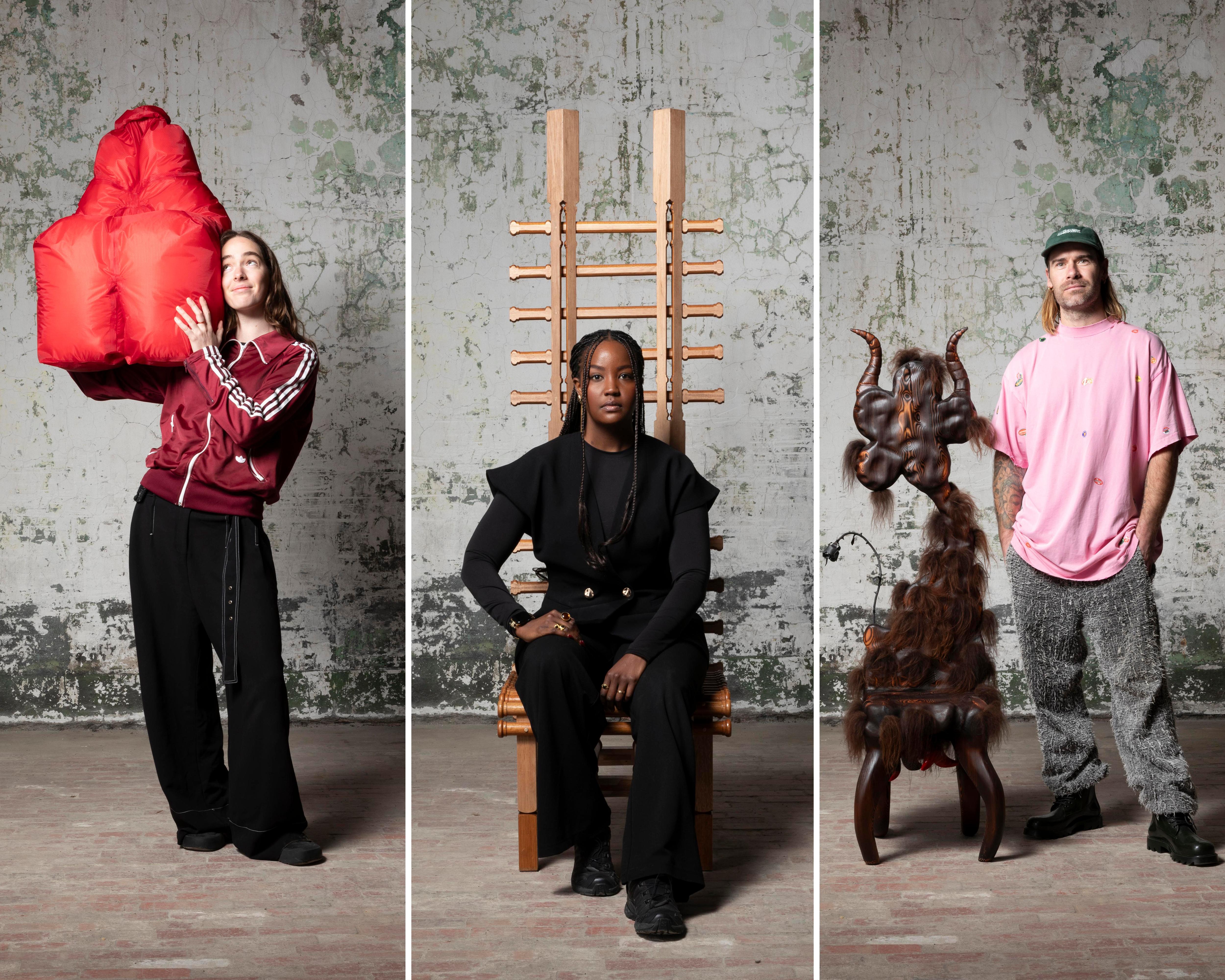
The Guardian published a digital gallery titled "Would you sit on this? Australian designers take on the humble chair – in pictures" on 21 May 2026, presenting a comprehensive survey of more than 100 chairs designed by Australian creators. The exhibition spans the spectrum from traditional forms to highly experimental structures, highlighting themes of functionality, illusion, and cultural convergence through material innovation.
The showcase opens with Chan Hung Hin’s Steer chair, which utilises three sets of bicycle handlebars to create a sculptural form. Inspired by the 1954 tractor-seat stool designed by brothers Achille and Pier Giacomo Castiglioni, Hin reconfigures ordinarily moving parts into fixed forms to explore how everyday objects can be adapted for sitting.
Adam Goodrum’s Re-Stitch Low Chair demonstrates a balance between precision engineering and surprise. Building on his iconic 1998 Stitch Chair, this new piece uses an integrated hinge system to fold flat, allowing larger furniture pieces to be produced with the same transport-friendly functionality that defined his earlier work.
Material play and illusion are central to several designs in the collection. Ash Allen’s Pillow Talk chair transforms a soft, plush cushion into a solid form using galvanised steel, while Lukas Fong’s Framed by the Square… chair offers a functional shift, allowing users to unscrew brass knobs to reconfigure the timber structure into a long, low table.
Cultural narratives and historical references also inform the collection. Sandra Githinji Studio’s TURN chair is constructed from reclaimed meranti timber posts salvaged from a Melbourne staircase, with a low seat inspired by the Kikuyu people of Kenya. Similarly, Scotty Bemelen’s horned Pleased to meet you… chair draws inspiration from The Rolling Stones’ 1968 track Sympathy for the Devil, exploring themes of duality through hand-carved Oregon timber and recycled sheepskin.
Other notable entries include Tim Meakins’ Horse Chair, made from playground construction material to invite silliness, and Richard Greenacre’s Tufted Chair, which uses approximately 100 navy blue ceramic tiles to mimic upholstery techniques. Makushla Harper’s Windsock Chair offers a portable solution, filling with air via a valve, while Erin McDonald and Tom Skeehan’s Slate chair explores tension and suspension through leather and steel.
The gallery also reflects contemporary fashion influences, such as the Stitch Chair by Foolscap and Alpha60, which features acid-green lacing inspired by corsetry. Meanwhile, Matthew Tambellini and Holly White’s Frame Work No 4 Chair, also known as Ned Kelly, employs the Japanese yakisugi charring technique on timber, emerging from a collaborative sketching process.
The exhibition underscores the versatility of Australian design, where industrial materials like stainless steel and reclaimed timber are reimagined to create pieces that are as conceptually rigorous as they are functional.