TfL faces second day of Tube disruption as RMT rejects Acas resolution
Transport for London urges the RMT to call off the strike, citing significant operational resilience during Tuesday’s action, while the union maintains the dispute remains unresolved.
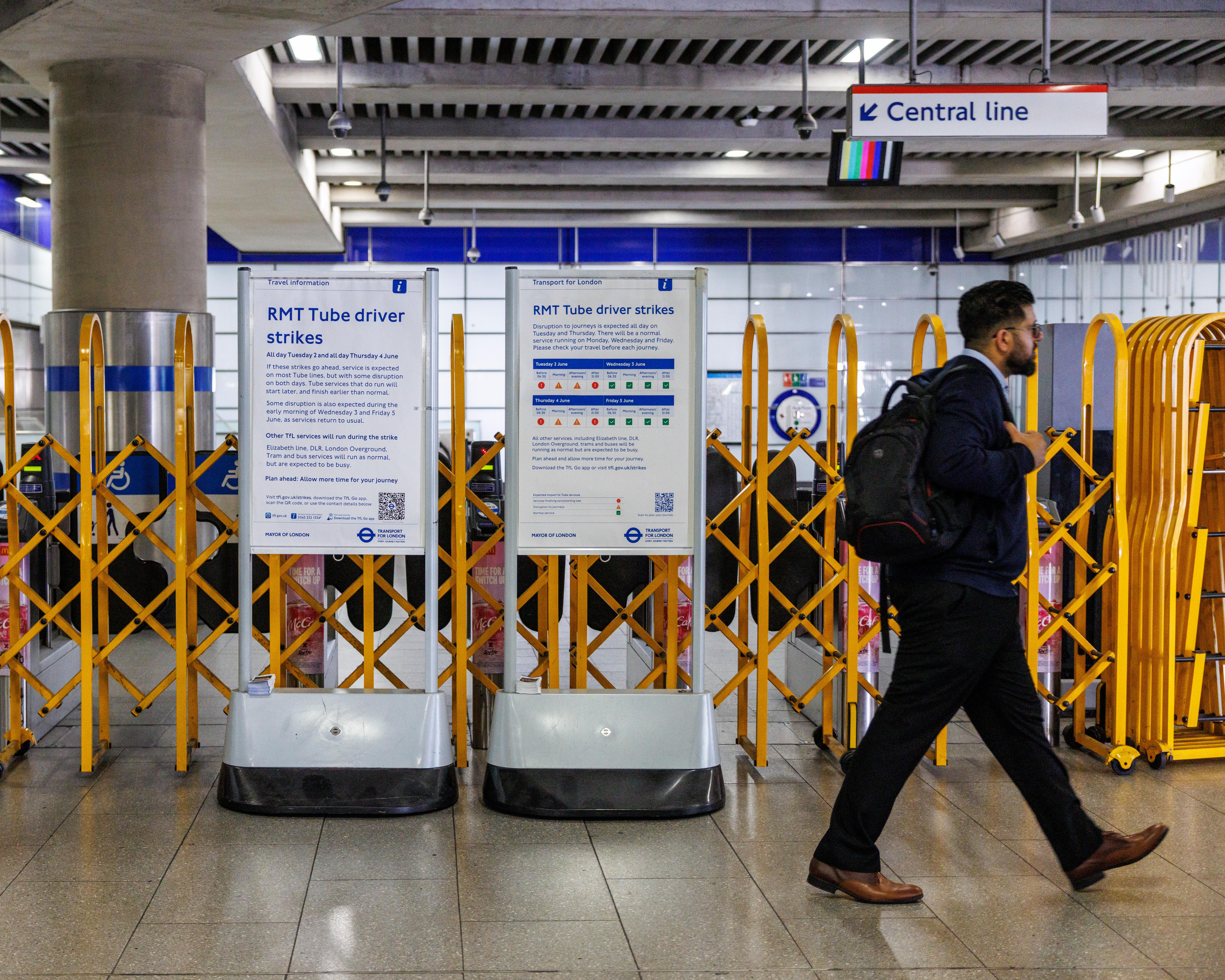
Transport for London (TfL) is bracing for a second day of London Underground disruption on Thursday after the RMT union confirmed its industrial action regarding a proposed four-day working week will proceed. The stoppage follows failed negotiations at Acas on Monday, with the union accusing the transport authority of attempting to force through working changes. TfL has denied these claims, maintaining that the proposed changes are voluntary, and has urged the union to call off the strike.
The first day of action on Tuesday saw a higher level of participation from drivers than anticipated, with TfL reporting that 60% of drivers worked. This figure suggests that a significant portion of RMT members did not join the stoppage, allowing the network to remain largely operational. The Jubilee line, in particular, ran almost 90% of its normally scheduled kilometres, while other lines started later and finished earlier with reduced frequency.
Despite the industrial action, passenger resilience was evident in TfL’s data. Oyster and contactless card taps were down by only around 10% across the whole day, although Tube journeys specifically fell by 41%. Passenger numbers were significantly higher than normal on alternative modes of transport, including buses, the London Overground, and the Elizabeth line, which continued to operate normally alongside national rail and DLR services.
For Thursday’s stoppage, TfL has warned of significant service reductions on the Circle, Piccadilly, and central sections of the Metropolitan and Central lines. While other lines are expected to operate with reduced services, buses will likely face increased congestion and delays. Services returned to normal on Wednesday morning without residual impact from the previous day’s strike, according to TfL.
The dispute has drawn contrasting responses from the unions representing Tube drivers. The rival Aslef union, which represents just over half of Tube drivers, has strongly welcomed the proposed four-day working week changes. In contrast, the RMT has blocked the proposal. No further strikes have been scheduled by the RMT on the underground beyond this two-day period, with talks between the union and TfL expected to resume next week.