Texas Tech president challenges NCAA gambling ban as clinical health issue
Lawrence Schovanec argues penalty contradicts association’s mission to foster student-athlete well-being
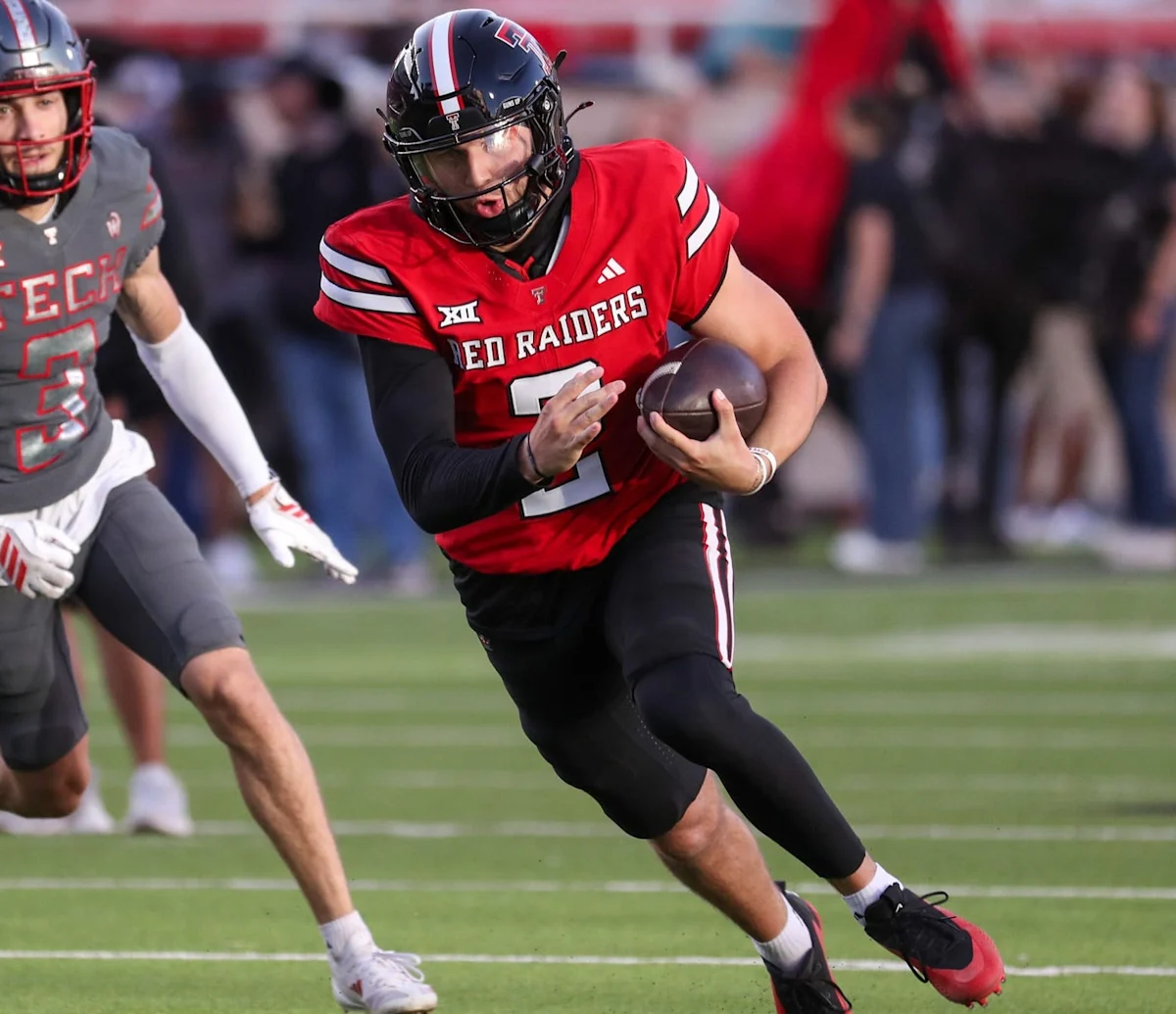
Texas Tech University President Lawrence Schovanec has formally challenged the National Collegiate Athletic Association’s decision to permanently rule quarterback Brendan Sorsby ineligible, arguing that the penalty ignores the clinical nature of gambling addiction. In a letter issued on Tuesday, May 26, Schovanec outlined the university’s intent to appeal the ruling, asserting that the sanction contradicts the NCAA’s stated mission to foster student-athlete well-being and promote a culture of care.
The dispute follows Sorsby’s completion of an intensive inpatient treatment program for a diagnosed gambling addiction and anxiety disorder. Schovanec confirmed that the university is welcoming Sorsby back to campus immediately following his recovery period. The president emphasised that the institution has collaborated with Sorsby’s treatment team to develop a comprehensive monitoring and support plan designed to sustain his long-term recovery while maintaining the integrity of college athletics.
Schovanec’s correspondence explicitly referenced the NCAA’s own medical guidance, noting that the association’s Chief Medical Officer has previously advocated for a harm-reduction approach to problem gambling. The university contends that such an approach is necessary to encourage athletes to seek support without fear of eligibility loss, particularly as gambling addiction rises among college-aged men. The letter cited the DSM-5 classification of gambling addiction as a clinically recognized behavioural disorder to bolster the argument for a modified penalty.
The NCAA has maintained its position that the rules are unambiguous and essential for protecting the integrity of the game. In a statement released on May 18, the association noted that its sports betting penalties, adopted three years ago, mandate permanent loss of eligibility for betting on one’s own team or individual performance. The NCAA argued that these protections must be enforced in every case to ensure fair competition, applying them equally across all student-athletes.
Sorsby has also pursued legal avenues to challenge the decision, filing for injunctive relief to seek a temporary reinstatement of his eligibility. He is scheduled for a court appearance on Monday, June 1. The quarterback’s collegiate career has seen multiple transitions, beginning at Indiana University, where he was involved in alleged widespread wagers, before transferring to the University of Cincinnati and subsequently joining Texas Tech in January. The University of Cincinnati has filed a separate lawsuit against Sorsby alleging breach of contract stemming from his departure.
As the legal and administrative proceedings unfold, Texas Tech remains committed to contesting the NCAA’s stance. Schovanec stated that the university has given careful thought to what is right for Sorsby’s future as a student-athlete and a member of the community. The appeal seeks to have the permanent ineligibility ruling reversed or modified, highlighting the tension between strict regulatory enforcement and health-focused interventions in modern collegiate sports.