Texas High Court Shields Home Depot from Liability in Trucking Crash Ruling
The Texas Supreme Court dismissed claims against Home Depot, distinguishing routine shipping contracts from cases where a shipper’s direct actions create a hazard.
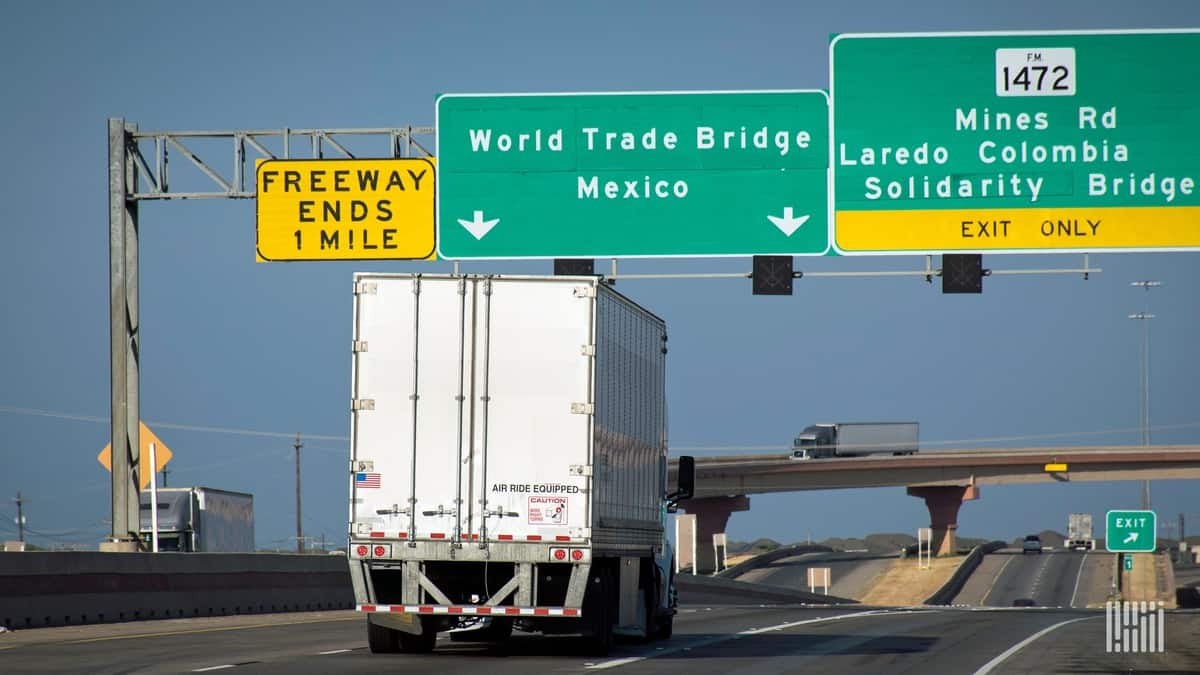
The Texas Supreme Court has ruled that Home Depot cannot be held liable for a fatal motorcycle crash involving a Werner Enterprises tractor-trailer transporting the retailer’s freight. On 15 May 2026, the court issued its decision in In re Home Depot U.S.A., Inc., dismissing claims against the home improvement giant and establishing that Texas law does not impose a duty of care on a passive shipper that does not own, control, or supervise the carrier.
The litigation arose from a collision in which a young man lost his life after his motorcycle struck a Werner truck that allegedly ran a red light. The victim’s family sued Werner, the driver, and Home Depot, alleging negligent hiring due to the carrier’s history of safety violations. Home Depot argued it owed no legal duty to the public and sought emergency relief from the state’s highest court after a trial court denied its initial motion to dismiss.
Writing for the court, Justice John P. Devine outlined two fundamental principles of Texas law: one party generally has no duty to control the conduct of another, and hiring an independent contractor does not typically result in liability for their negligence. The court determined that Home Depot, as a passive shipper, did not own the truck, employ the driver, or create a special hazard with its cargo.
The decision emphasised that federal safety regulations already govern carriers like Werner, removing the need for shippers to duplicate oversight for routine shipments. The court distinguished this case from United Rentals North America, Inc. v. Evans, where a shipper was found liable because its direct conduct, specifically the improper loading of oversized equipment, created the risk. No such facts existed in the Home Depot matter.
This ruling arrives shortly after the U.S. Supreme Court’s decision in Montgomery v. Caribe Transport II on 14 May 2026, which held that freight brokers can face state-law negligent selection claims. The two decisions draw a clear line between direct shippers and brokers, with the latter now facing greater exposure nationwide. For shippers in Texas, the Home Depot ruling provides clarity, limiting open-ended tort liability and keeping the focus on the parties that actually control the vehicles.