Texas court awards $604m in nuclear verdict against C.H. Robinson, sparking 3PL sell-off
A Dallas jury found the driver of a carrier hired by C.H. Robinson was effectively an employee, removing a key legal defence for brokers and triggering a broad decline in third-party logistics shares.
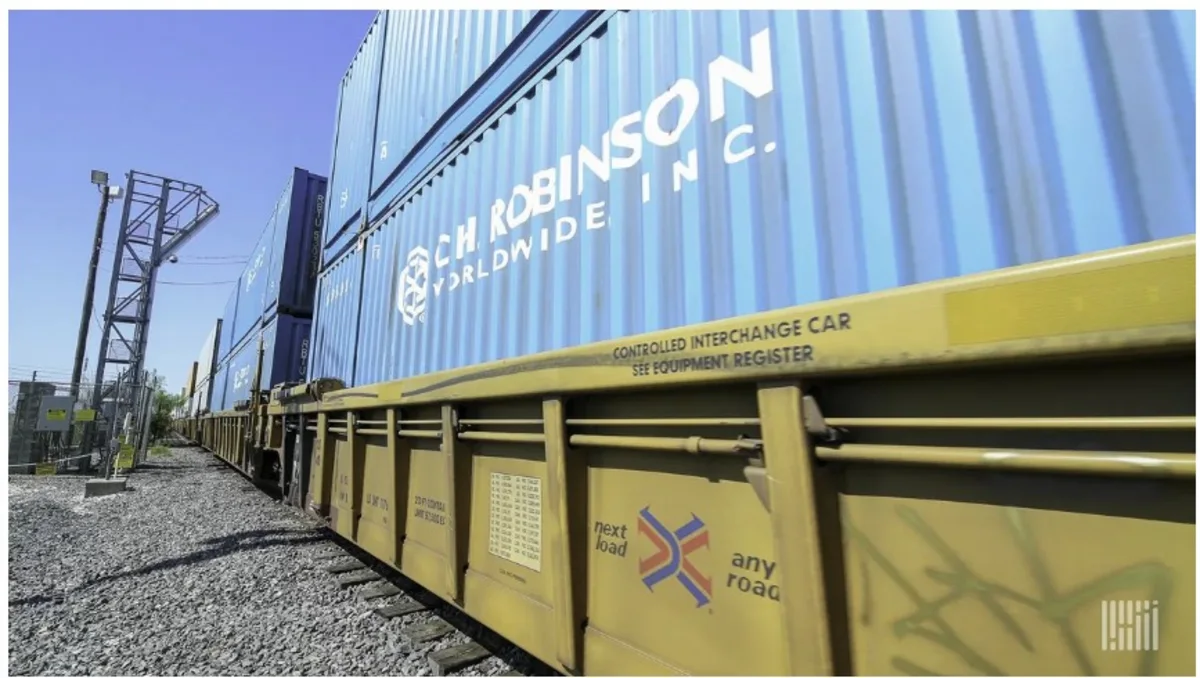
Shares of third-party logistics providers retreated on Wall Street following a Texas jury verdict awarding approximately $604 million in compensatory damages against freight broker C.H. Robinson. The ruling in the case of Lipe vs. Lupus Superior marks the first significant post-Montgomery nuclear verdict, prompting a sell-off across the brokerage sector as investors reassess liability exposure.
C.H. Robinson shares fell 9.25% to $186.50, erasing gains made earlier in the week when the stock hit a 52-week high of $210.33. The downturn extended to peers, with RXO dropping 7.71% to $25.63 and Landstar declining 3.68% to $200.32. The broader S&P 500 index remained marginally higher on the day, isolating the weakness to the logistics and brokerage segment.
The verdict follows the US Supreme Court’s unanimous decision in Montgomery vs. Caribe Transport II, which removed the Federal Motor Carrier Administration Authorization Act safety exception as a defence for brokers. In the Dallas County case, the jury determined that the driver of Lupus Superior, the carrier hired to transport beverages, was effectively an employee of C.H. Robinson. This finding transferred liability to the broker, which had previously relied on the safety exception to avoid direct involvement in such litigation.
Analysts at TD Cowen described the outcome as a negative for the industry, noting that the company was working with a carrier that held a "Satisfactory" safety rating from the Federal Motor Carrier Safety Administration both before and after the 2021 crash. The decision raises questions for brokers regarding due diligence standards, as a federally rated high-quality carrier was deemed insufficient to shield the broker from liability.
C.H. Robinson has stated it plans to appeal the decision, which has yet to be certified by Judge Dianne Jones. The company’s liability structure includes a $10 million deductible and a $135 million limit, meaning any final settlement or judgment could significantly impact earnings. While the appeals process may take years, analysts warn that the Montgomery ruling has created a new reality where pending cases are moving forward, potentially exposing brokers to further nuclear verdicts.