Tesla unveils premium balance bike, sparking debate on brand strategy and pricing
As Tesla launches a $225 pedal-less bicycle for toddlers, analysts and observers note the contrast between the company’s high-tech automotive ambitions and its direct-to-consumer retail approach to early childhood products.
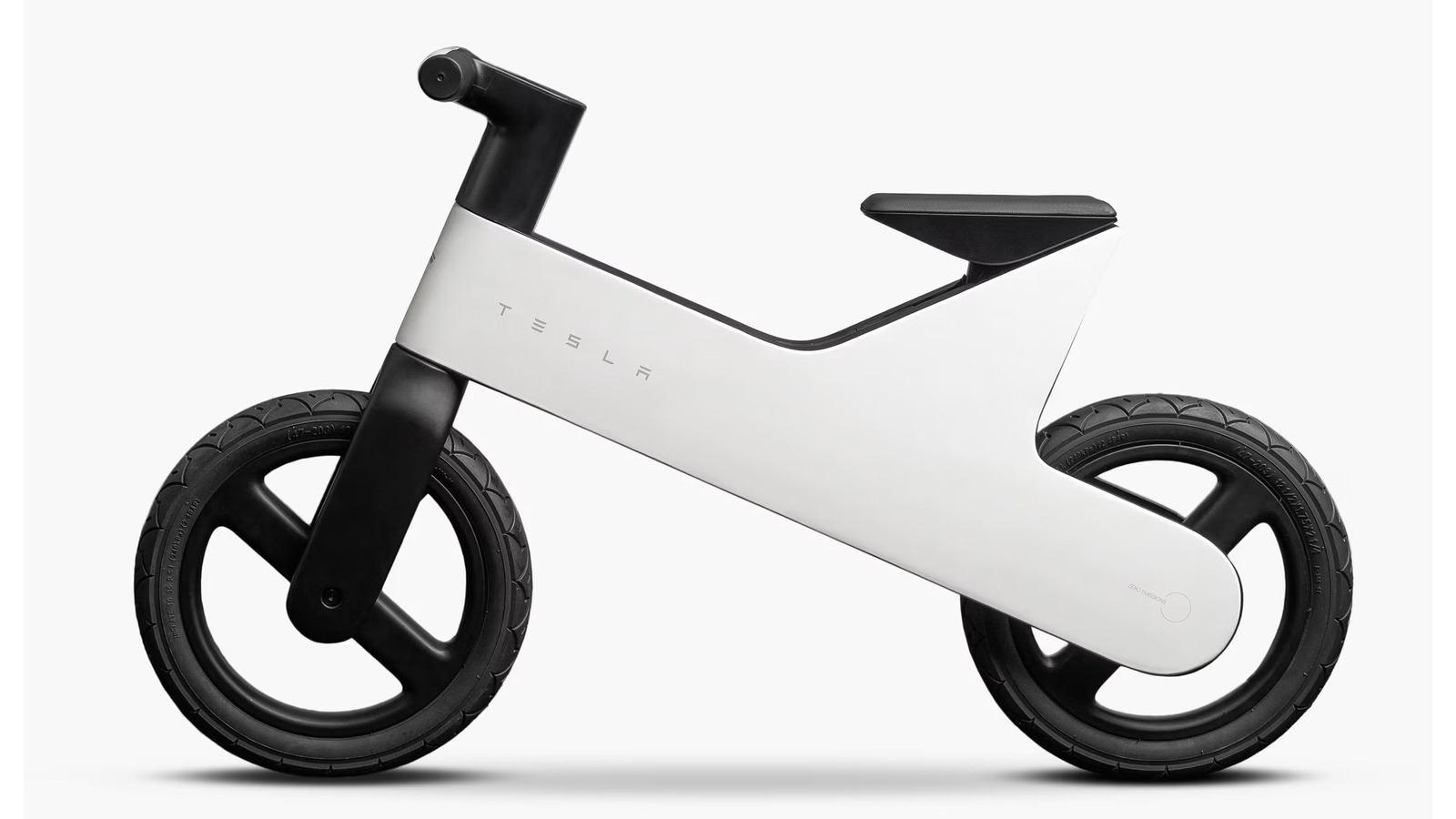
Tesla has introduced a new entry into the children’s market with the release of its Balance Bike for Kids, priced at $225. Designed for children aged two to five years, the pedal-less bicycle features a lightweight white magnesium frame and is positioned at the premium end of the balance bike segment. According to the manufacturer, the product is currently sold out on its official website.
The vehicle is engineered for toddlers weighing under 77 pounds with legs measuring less than 13 inches in length. It includes a five-way adjustable black seat, assembly tools, the "Tesla" word mark on the side, and the company’s T logo on the front. Unlike motorised alternatives, the bike lacks motors or pedals, requiring children to propel it using their feet.
Pricing for the new model places it significantly above the typical market rate for balance bikes, which are generally available for under $100. Only a small number of competitors, such as the Woom 1, command a higher price point. The Tesla offering does not include brakes, a feature present on some of its more expensive rivals.
This launch follows previous attempts by the company to target younger demographics, including the $1,900 Tesla Cyberquad ATV. That all-terrain vehicle was previously recalled due to safety violations regarding ATV standards for children. Industry observers have noted that while Tesla fans have expressed interest in branded electric bikes, the current offering remains a manual, pedal-less design.
The release highlights a strategic divergence from Tesla’s core automotive technology. While the company’s Autopilot systems have faced scrutiny for their ability to recognise children on the road, the balance bike represents a direct consumer play aimed at securing brand loyalty from a young age. The immediate sell-out status suggests strong initial demand among existing customers.
