Tesla shares drop on profit miss as $25 billion capital expenditure plan confirmed
Investors weigh mixed second-quarter results against aggressive spending on Optimus robots, AI infrastructure, and Cybercab production.
Tesla shares fell more than 7% in premarket trading following the release of its second-quarter financial results, as the electric vehicle manufacturer reported adjusted earnings that missed market expectations. The company posted earnings per share of $0.33, falling short of the $0.50 consensus estimate, despite a revenue beat of $28.24 billion against a $26.32 billion forecast. Adjusted EBITDA also came in below projections at $3.2 billion, compared with the $4 billion expected by analysts.
The revenue outperformance was underpinned by a robust delivery quarter, with Tesla reporting 480,126 vehicle deliveries, a 25% year-on-year increase that significantly exceeded Bloomberg consensus estimates of 397,466. The surge in sales was attributed to the full ramp-up of the new Model Y, competitive pricing strategies, and improved international demand. Energy storage deployments also accelerated, reaching 13.5 GWh, more than 50% higher than the first quarter’s 8.8 GWh.
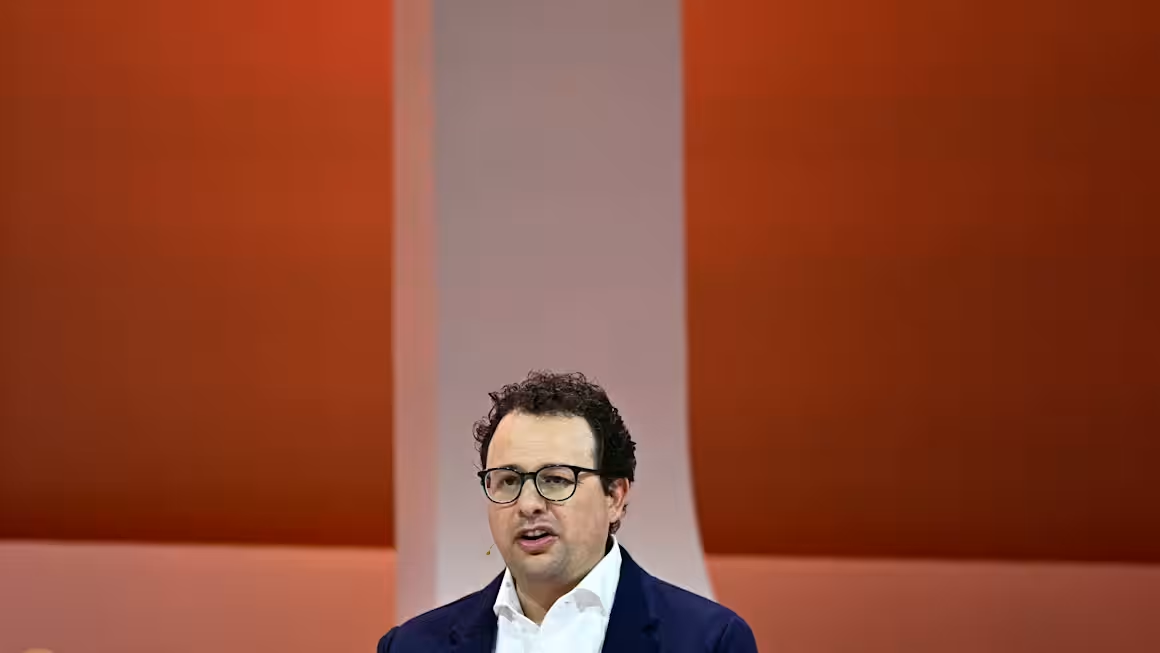
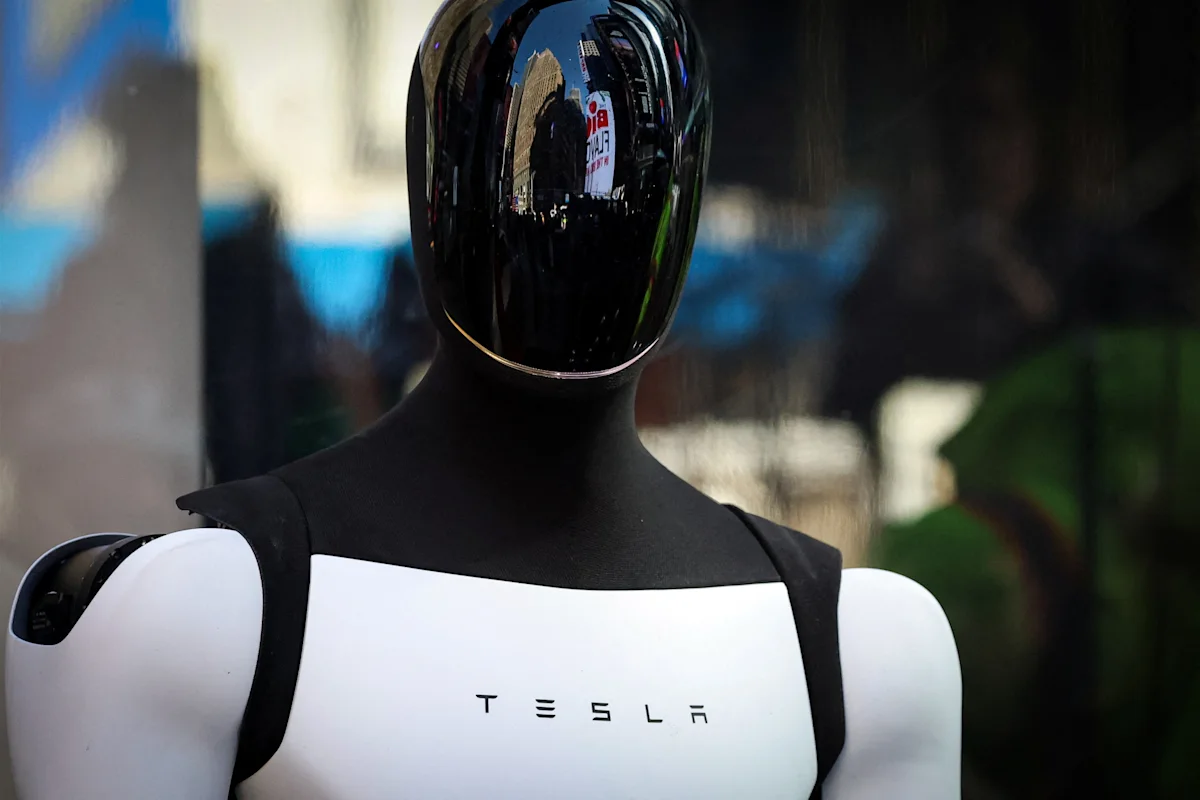
Despite the operational strength, Tesla confirmed that full-year capital expenditures will exceed $25 billion, a figure that aligns with analyst expectations of $25.16 billion. Chief Financial Officer Vaibhav Taneja described 2026 as a "massive capex year," with the spending directed toward three primary areas: the production of Optimus humanoid robots, the build-out of AI data centres, and the production ramp-up for the Cybercab.
Tesla provided updates on its advanced technology initiatives, stating that Optimus production remains on track for later this year. The company noted that initial builds will be utilised in an Optimus Academy for training data collection. Additionally, the robotaxi service expanded its unsupervised operations to seven major metro areas, including new launches in Miami, Orlando, and Tampa in July, with preparations continuing for further US expansion.
On the cash flow front, Tesla reported a free cash flow burn of -$1.09 billion, which was notably lower than the -$3.64 billion estimated by the market. Full self-driving active subscriptions also saw significant growth, climbing to 1.48 million, a 56% increase from the previous year. While the company’s auto business showed signs of recovery, the heavy capital outlay continues to consume cash as it pivots toward its physical AI ambitions.