Tesla robotaxi miles drop 36% as company pivots to Cybercab data collection
Tesla reported a significant decline in paid robotaxi miles for the second quarter of 2026, with CEO Elon Musk citing the need to gather specific data for the upcoming Cybercab model before wider deployment.
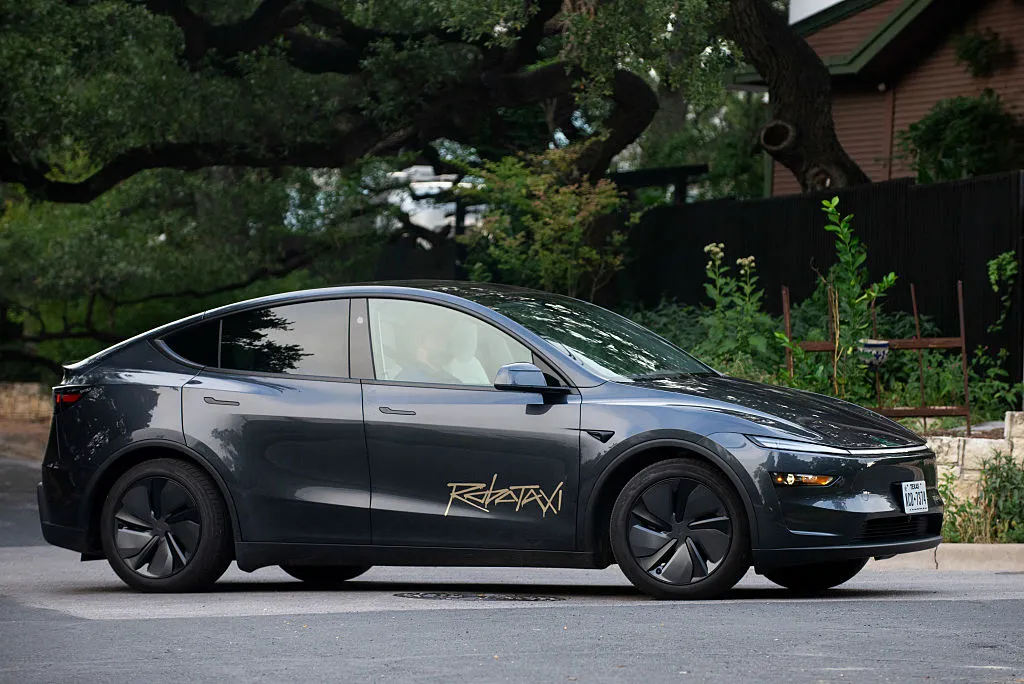
Tesla reported that paid robotaxi miles driven by its fleet of Model Y SUVs declined by approximately 36% in the second quarter of 2026, dropping from 1.1 million miles in the first quarter to roughly 700,000 miles. This decline occurred despite the service expanding to six cities in Texas and Florida. CEO Elon Musk attributed the slower scaling to the need to accumulate specific driving data for the upcoming Cybercab model before deploying it in larger numbers. The announcement coincided with Tesla’s stock falling more than 13% following weaker-than-expected profits in its core businesses.
The quarterly step-down in paid miles contrasts with Tesla’s previous rhetoric regarding a massive, low-cost autonomous fleet. While cumulative figures displayed by the company suggested steady growth between August 2025 and June 2026, the quarterly breakdown reveals the contraction. The decline happened even as the company expanded its nascent operation into new markets, utilising a mix of unsupervised and supervised vehicles across Texas and Florida.
On a conference call regarding the second-quarter results, Musk explained that the company must accumulate driving data specific to the Cybercab, the purpose-built two-seater sedan expected to form the bulk of its autonomous vehicle fleet. He noted that unlike the Model 3 and Model Y, which have millions of vehicles on the road collecting data, the Cybercab lacks this existing fleet. Consequently, Tesla is using retrofitted vehicles with steering wheels and pedals to calibrate the chassis before increasing the number of Cybercabs on the road.
Tesla executives framed the cautious approach as a safety necessity to avoid regulatory crackdowns. Musk stated that while tens of thousands of automotive deaths occur annually in the United States, they rarely generate press, whereas any injury involving a Tesla robotaxi would result in worldwide headlines and immediate regulatory action. This marks a shift from previous claims that regulatory hurdles were the primary barrier to deployment, with the company now emphasising safety validation.
Ashok Elluswamy, Tesla’s VP of AI, claimed the robotaxis had zero notable incidents while driving more than 380,000 miles without a safety operator, though he did not define what constitutes a notable incident. However, Tesla has reported 22 crashes to the National Highway Safety Administration since trialling the service, including three incidents caused by teleoperators and multiple low-speed collisions with objects such as curbs and utility poles. The company continues to operate branded robotaxis in the San Francisco Bay Area without state-required permits for autonomous operation, relying on safety drivers.
Despite the recent slowdown, Elluswamy highlighted that the number of unsupervised miles traveled has grown roughly 10% every week since Tesla started offering them at the end of the previous year. He also defended the company’s decision to build an autonomy stack using only cameras, rejecting the industry standard of using lidar and radar. Musk promised that growth would continue rapidly once the company is confident in the Cybercab calibration.
